Leather & Fabrics Archives | FLEMING HOWLAND https://fleminghowland.com/knowledge-base-category/leather-fabrics/ Handmade British chesterfield sofas Sun, 13 Sep 2026 13:37:26 +0000 en-US hourly 1 https://wordpress.org/?v=7.0.2 https://fleminghowland.com/wp-content/uploads/2025/12/cropped-fh-favicon-32x32.png Leather & Fabrics Archives | FLEMING HOWLAND https://fleminghowland.com/knowledge-base-category/leather-fabrics/ 32 32 Customers Own Leather and Fabric https://fleminghowland.com/knowledge-base/customers-own-leather-and-fabric/ Thu, 19 Sep 2024 17:22:25 +0000 http://[email protected] If a project requires the use of an individual’s pre-selected material, assistance can be provided. Please note that approval of the chosen leather or fabric is necessary as it could impact the quantity required; for instance, a large pattern repeat may require a bigger quantity of fabric. A link to the manufacturer’s website or an […]

The post Customers Own Leather and Fabric appeared first on FLEMING HOWLAND.

]]>

If a project requires the use of an individual’s pre-selected material, assistance can be provided. Please note that approval of the chosen leather or fabric is necessary as it could impact the quantity required; for instance, a large pattern repeat may require a bigger quantity of fabric. A link to the manufacturer’s website or an actual sample will be required prior to production. Fabric or leather should be suitable for upholstery purposes but does not necessarily need to be FR-treated, as an ‘interliner’ barrier cloth is utilised as part of the upholstery process. To request further details or to discuss specific requirements, click here.

The post Customers Own Leather and Fabric appeared first on FLEMING HOWLAND.

]]>
Caring for leathers https://fleminghowland.com/knowledge-base/caring-for-leathers/ Mon, 31 Aug 2026 08:43:27 +0000 https://fleminghowland.com/?post_type=docs&p=171921 Leather furniture in a normal domestic environment should require little attention and any cleaning should be done only when necessary. For regular maintenance, simply remove dust occasionally using a damp cloth. Off the shelf creams or conditioners are not advised and may jeopardise your warranty. Liquids should be quickly removed using a clean cloth. Sweat […]

The post Caring for leathers appeared first on FLEMING HOWLAND.

]]>
Leather furniture in a normal domestic environment should require little attention and any cleaning should be done only when necessary. For regular maintenance, simply remove dust occasionally using a damp cloth. Off the shelf creams or conditioners are not advised and may jeopardise your warranty. Liquids should be quickly removed using a clean cloth. Sweat or perspiration may cause harm to leather. In particular it can cause colour loss and cracking.

All natural leathers are inherently permeable. As a living material, even when finished, the surface contains microscopic pores that will absorb oils, cosmetics, hair products and any synthetic-based chemicals that come into contact with it. Once absorbed, these substances can migrate through the surface layers and may alter the appearance of the patina over time, creating darkening, patchiness or changes in sheen. For this reason, we advise avoiding direct contact between leather and any non-natural products, particularly on headrests and arm areas where transfer is most likely.

Always protect your furniture from direct sunlight, as this will accelerate the natural on going discolouration process. Never place leather furniture against any heating source such as a radiator. Avoid sitting on the edges of cushions or arms, as this may cause uneven wear and distortion of the padding and leather. Certain non‐colourfast clothing such as denim can stain light coloured leather if it comes into regular contact.

Hand-Coloured leather

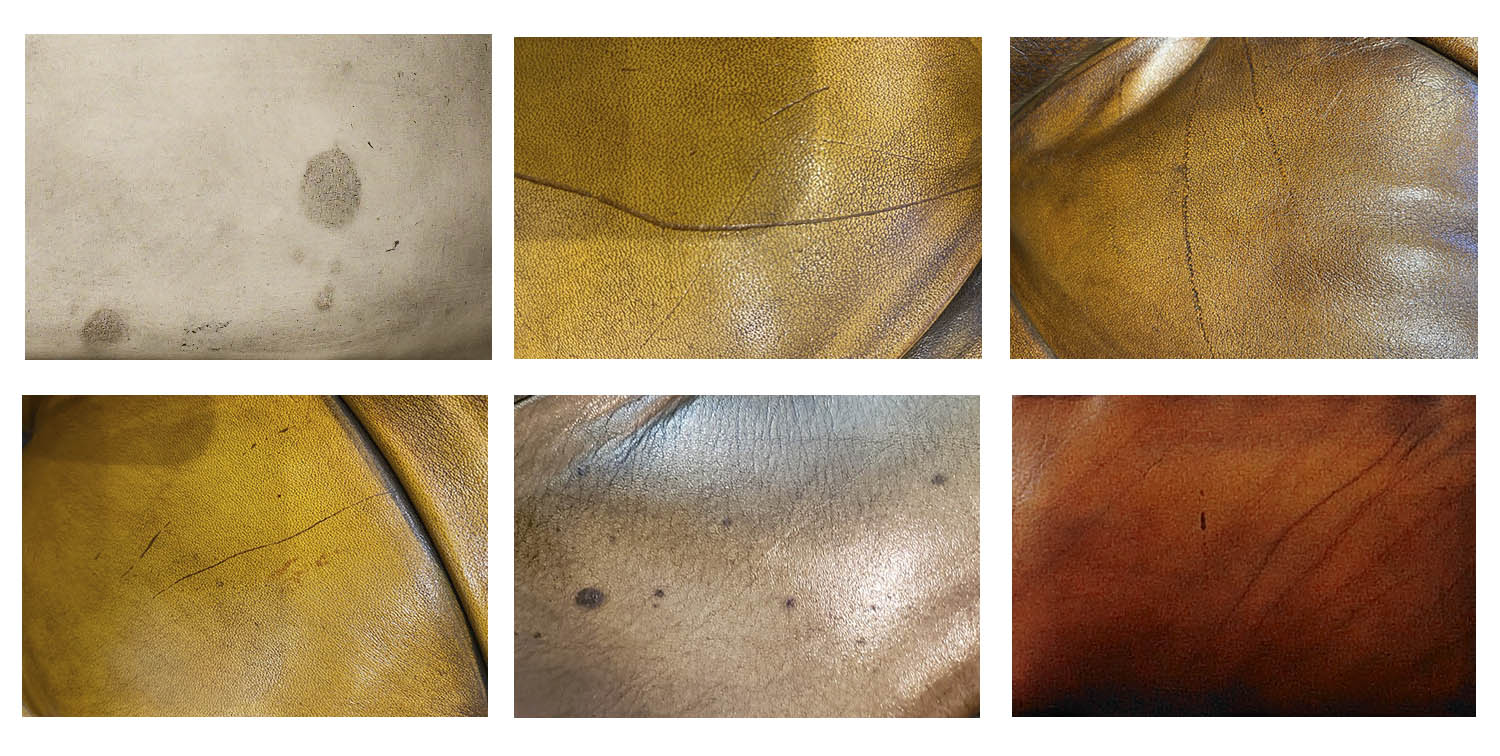
Hand-Coloured leathers are hand selected for their natural characteristics. Every hide is different. Because the dyes and finishes penetrate to varying degrees in different parts of the hide, an attractive, variable finish is achieved. Hallmarks such as scars, creases, insect bites and veins add natural beauty and individuality to each hide. Areas of use such as the seat and arm will become lighter in colour. Leather is highly resilient and durable, which over time, will adapt and change, enhancing its appeal.

The more subtle markings will feature on more prominent parts of the article although this is not guaranteed. Irregularities in the grain, small scars, insect bites, dung marks and other natural skin marks should not be considered defects. It is perfectly normal for certain areas of the leather such as the pleats to show signs of stretching from new. This will develop naturally during the life of the furniture creating a softer more inviting look, an inherent quality of fine leather furniture.

Throughout the leather hand-colouring process, a series of dyes, sealers, and polishes are applied to age and highlight the distinct patina of each hide. As the final topcoat is applied after upholstery it is not unusual to find some residual colour transfer within areas such as under the folded pleats, inside the deep buttoned holes and other concealed sections not regularly touched or used. As this topcoat is water based, any accidental spillages of liquid may accelerate this colour transfer and therefore it is important to keep your furniture dry. Replacement topcoat in the form of an easy to apply polish is available on request.

Testing & Environment

All furniture is manufactured under the ISO9001:2008 quality system and comply with British / European standards for upholstery leather and the furnishings fire safety regulations 1988. All leathers comply with strict regulations and EU directives covering the use and presence of PCP, CFC, Chromo VI and Azo dyestuffs during the tanning process. All components and materials are from renewable resources and wherever possible British made.

The post Caring for leathers appeared first on FLEMING HOWLAND.

]]>
Missing swatches and brochures https://fleminghowland.com/knowledge-base/missing-swatches-and-brochures/ Thu, 15 Jan 2026 06:52:21 +0000 https://fleminghowland.com/?post_type=docs&p=170009 All swatches and brochure packs requested online are dispatched as standard via national postal services. This allows us to offer a complimentary service worldwide, but it does mean that occasional delays can occur once the item is in transit. If your swatches or brochures have not arrived within a reasonable timeframe, please contact us. On […]

The post Missing swatches and brochures appeared first on FLEMING HOWLAND.

]]>
All swatches and brochure packs requested online are dispatched as standard via national postal services. This allows us to offer a complimentary service worldwide, but it does mean that occasional delays can occur once the item is in transit.

If your swatches or brochures have not arrived within a reasonable timeframe, please contact us. On request, we are happy to resend the items using a tracked courier service, which is usually provided free of charge.

Our team will confirm dispatch and tracking details with you to ensure safe and prompt delivery.

The post Missing swatches and brochures appeared first on FLEMING HOWLAND.

]]>
Caring for wool https://fleminghowland.com/knowledge-base/caring-for-wool/ Tue, 26 Aug 2025 10:31:41 +0000 https://staging.fleminghowland.com/?post_type=docs&p=168418 Wool is offered as one of the available upholstery materials across Fleming Howland collections. It is naturally breathable and temperature-regulating, remaining comfortable in both warm and cool conditions. The fibres’ lanolin content provides innate stain resistance and resilience. To view colour options visit the swatches page. How to care for wool upholstery Vacuum regularly using […]

The post Caring for wool appeared first on FLEMING HOWLAND.

]]>
Wool is offered as one of the available upholstery materials across Fleming Howland collections. It is naturally breathable and temperature-regulating, remaining comfortable in both warm and cool conditions. The fibres’ lanolin content provides innate stain resistance and resilience. To view colour options visit the swatches page.

How to care for wool upholstery

Vacuum regularly using a soft brush attachment to remove dust and prevent embedded debris. Promptly blot spills with a clean cloth. Avoid rubbing, and only use mild, wool-safe cleaners. For persistent marks, use a diluted dry-cleaning solution or gentle detergent lightly applied, then allow to air-dry without saturating the fabric. For deep cleaning or delicate cases, professional upholstery cleaning is recommended.

The post Caring for wool appeared first on FLEMING HOWLAND.

]]>
Caring for Mohair and Cotton Velvet Upholstery https://fleminghowland.com/knowledge-base/caring-for-mohair-and-cotton-velvet-upholstery/ Mon, 25 Aug 2025 09:24:55 +0000 https://staging.fleminghowland.com/?post_type=docs&p=168404 Mohair and cotton velvet are long-pile upholstery fabrics, prized for their plush texture and rich sheen. Mohair velvet, woven from Angora goat hair, is especially durable and resistant to dirt or crushing, making it a gold standard for high-use furniture. Cotton velvet, with its soft matte finish, offers sumptuous comfort but can crush or mark […]

The post Caring for Mohair and Cotton Velvet Upholstery appeared first on FLEMING HOWLAND.

]]>
Mohair and cotton velvet are long-pile upholstery fabrics, prized for their plush texture and rich sheen. Mohair velvet, woven from Angora goat hair, is especially durable and resistant to dirt or crushing, making it a gold standard for high-use furniture. Cotton velvet, with its soft matte finish, offers sumptuous comfort but can crush or mark more easily due to its naturally softer pile. Both fabrics have a nap, a directional pile that can reflect light differently, which is why the fabric may appear lighter or darker when brushed one way or the other. Marks, bruising or pressure imprints in the pile are a normal occurrence and not fabric defects. In fact, slight shading and imprinting enhance the elegance of velvet over time.

Routine Maintenance – Gentle Vacuuming & Brushing

Regular maintenance will keep mohair or cotton velvet upholstery looking its best. Vacuum the fabric gently at least once a week using a soft upholstery brush attachment. Always vacuum in the direction of the nap to avoid crushing the fibres. This removes dust and prevents grit from settling into the pile. In addition, brush the velvet occasionally with a soft upholstery brush, again following the direction of the pile. Brushing helps lift the nap, maintains a uniform look, and removes lint or pet hair. Avoid aggressive cleaning tools or harsh scrubbing; a gentle touch is key.

Preserving the Pile – Minimising Marks and Imprints

Mohair and cotton velvet naturally develop crush marks or shading in daily use – for instance, where cushions press against each other or where someone sits for a long period. These marks are normal and generally recover with time and natural humidity. To minimise impressions, avoid leaving heavy objects on the furniture for extended periods. Rotate and plump loose cushions regularly to prevent uneven wear.

If a stubborn crushed area remains, first brush the area softly in the direction of the nap. For more persistent flattening, apply light steam by holding a handheld steamer just above the surface (never pressing down). Immediately follow with brushing in the natural direction of the pile. Use minimal steam – just enough to relax the fibres. Allow the fabric to air-dry fully. Most marks will fade significantly or disappear, restoring the fabric’s lustre. Mohair fibres often recover more quickly, while cotton velvet may need more patience.

Spills & Stains – Blot, Don’t Rub

Both mohair and cotton velvet can be vulnerable to staining if spills are not handled promptly. Always blot immediately with a clean, dry white cloth. Use light pressure and change to a fresh area of cloth as needed. Never rub, as rubbing can flatten the pile and push liquid deeper. Work from the outside of the spill toward the centre to prevent spreading.

For minor spills, plain water on a lightly damp cloth may be used sparingly after blotting. If a residue remains, use a diluted upholstery shampoo or gentle fabric cleaner, but always test on an inconspicuous area first. Apply the cleaner to a cloth rather than directly to the fabric, and dab gently. Avoid harsh chemicals or bleach. After treating, blot with a fresh damp cloth to remove residue, then allow to air-dry fully. Once dry, brush the nap back into place. For oil-based or stubborn stains, consult a professional upholstery cleaner.

Quick Care Guide

  • Vacuum weekly with a soft brush attachment, working in the direction of the pile.
  • Rotate and plump cushions regularly to reduce pressure marks. Do not leave heavy objects on the fabric.
  • Use a soft brush in one direction to lift and settle the nap.
  • Lightly steam from a short distance to refresh the pile, then brush gently. Avoid over-wetting.
  • Blot spills immediately. Do not rub. Allow to air-dry before brushing.
  • Use only gentle upholstery cleaners when needed, tested first on an inconspicuous area.
  • Keep velvet away from prolonged direct sunlight to reduce fading.
  • Avoid sharp or abrasive objects that could snag or mark the pile.
  • Remove pet hair with a soft brush or vacuum attachment.
  • Store loose cushions flat. Do not fold velvet sharply.
  • Arrange professional cleaning every one to two years to deep clean the fabric and revive the pile.

The post Caring for Mohair and Cotton Velvet Upholstery appeared first on FLEMING HOWLAND.

]]>
Colours and samples https://fleminghowland.com/knowledge-base/request-samples-brochures/ Thu, 19 Sep 2024 17:22:24 +0000 http://[email protected] As all furniture is made to order you may select any upholstery material type and apply it to any Fleming Howland design. We send material samples internationally and are happy to review colours and finishes remotely with you. Samples are a guide to the general character of the selected material; natural hides, mill and tannery […]

The post Colours and samples appeared first on FLEMING HOWLAND.

]]>
As all furniture is made to order you may select any upholstery material type and apply it to any Fleming Howland design.

We send material samples internationally and are happy to review colours and finishes remotely with you. Samples are a guide to the general character of the selected material; natural hides, mill and tannery batches, dye lots and hand-finishing mean that the completed article will retain its own individual character.

Due to the tolerances in digital and print photography, images are representative only. Colours will vary depending on the lighting conditions in your room and so it is important to request a swatch for approval here before placing an order.

As the colour selection is not required until the final stages of production, you may confirm your choice at a later date (the ‘decide later’ option).

Batch-dyed materials

Leather and fabric are natural, batch-dyed products. Subtle variations in colour, depth of tone, and texture can occur between batches at the mill or tannery, even after a sample has been approved. These differences are inherent to the dyeing and finishing process and form part of the character of the material.

Cutting samples and our colour matching service

A ‘cutting’ sample is different to a regular sample in that the leather or fabric is cut from the actual material used for your order. It is usually sent during the final stages of the production process. Cutting samples are sent for client approval where colours are to match existing items or where a specific colourway has been requested. To considerably improve the chances of matching the colour of an existing sofa or chair, we strongly advise clients to send us a cushion cover, where possible. We can then carry out colour-matching in our lab and send a cutting sample for client approval. If it is not practical to send us something to colour-match against, it is important to understand that, due to tolerances in the hand-colouring process and the natural variation between each hide, an exact colour match still cannot be guaranteed. Approving a swatch is therefore subject to understanding the properties and limitations of natural materials.

Hand-Coloured swatch samples

Hand-Coloured leather swatches should be viewed as a guide rather than a complete representation of the final finish, as they cannot fully convey the depth or contrast of light and dark tones across a full hide. Each piece is individually antiqued, with darker and lighter areas applied in considered balance to enhance the natural grain and character. As dyes absorb differently across the surface, subtle variations in tone and patina are inherent, ensuring every piece is distinct. This is the nature of hand-finished leather, and the final result should be entrusted to the judgement and expertise of our antiquer.

Texture

Depending on the type of leather and which part of the hide the swatch is cut from, the leather’s texture will vary. Some parts of the hide will be smooth and some parts will feature a heavier grain. Once upholstered, the leather is stretched and therefore becomes smoother (you can simulate this by pulling the sample in your hands). You may read more about the character of each type of leather here.

Effects of ageing

In areas of regular use, such as the seat and arms, the patina will naturally lighten over time, with the darker top coat gradually revealing the lighter tones beneath. More information about the ageing process can be found here.

Wood finish

Wood grain and texture play a crucial role in how a stain is absorbed and how the final colour appears. Open or coarse grain woods may take stain more deeply, resulting in a darker tone, while finer grains can produce a more even and lighter finish. As standard, we offer Dark Oak and Black finishes, both carefully developed to enhance the natural beauty of the timber. For clients requiring a bespoke colour match, we offer a tailored service; this will require a physical wood sample to be sent to us, so we can assess whether a close match is achievable. Please note that due to the natural variation in wood grain and texture, an exact colour match cannot be guaranteed. If matching to an existing Fleming Howland piece, please supply a clear photograph of the item for our French polisher to use as a reference. Again, while we will aim for the closest possible match, some variation should be expected.

The post Colours and samples appeared first on FLEMING HOWLAND.

]]>
Velvets https://fleminghowland.com/knowledge-base/velvets/ Thu, 19 Sep 2024 17:22:22 +0000 http://[email protected]   Velvet is one of the most luxurious and coveted fabrics available today. There are many varieties of velvet and each type has distinctive characteristics that make it suitable for a variety of applications. Velvet is particularly admired for its delicate, soft texture, which can be subtly or strikingly beautiful based on its weave. Its […]

The post Velvets appeared first on FLEMING HOWLAND.

]]>
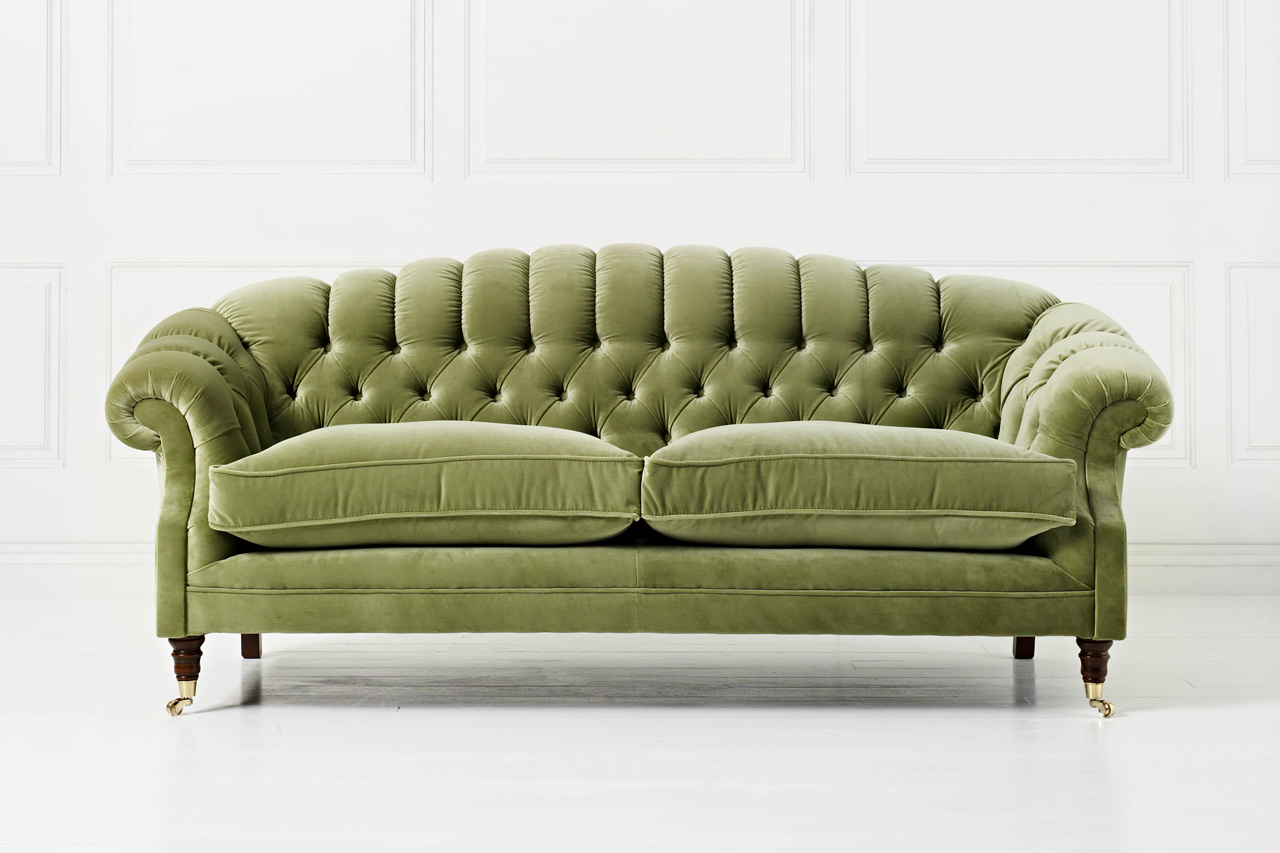
 

Velvet is one of the most luxurious and coveted fabrics available today. There are many varieties of velvet and each type has distinctive characteristics that make it suitable for a variety of applications. Velvet is particularly admired for its delicate, soft texture, which can be subtly or strikingly beautiful based on its weave. Its lightweight composition and high resistance to wear make it an ideal choice for furnishings. Velvet offers an elegant look with a long lifespan that continues to create refined sophistication long after the initial purchase.

How to protect a velvet sofa

Velvet is an exquisite fabric with a phenomenal level of craftsmanship that has been adored by many for centuries. To maintain its lustrous beauty over time, it is important to follow special care instructions when cleaning. We recommend professional dry cleaning to help preserve the quality of the fabric, however, some occasions may call for spot treatment or hand washing. In addition to proper cleaning methods, always keep your furniture away from direct sunlight and heat sources as it could cause fading in colour.

Durability

On top of its superior aesthetics, velvet has valuable qualities such as ultra-softness and lasting comfort that make this fabric a highly desirable choice. Its texture is at once luxurious and lightweight, making velvet well-suited to a wide range of uses in both fashion and interior design. With its superior performance when used for craftsmanship and its numerous benefits, it’s no surprise that so many prefer the sophistication offered by this material. Velvet can be beautifully buttoned and is often chosen for its refined, decorative appeal; however, as it does not have the same elasticity as leather, the pleats may gently open with use and therefore benefit from a little extra care. For clients seeking maximum day-to-day practicality, cushion seating offers a more resilient alternative.

Different types of velvet

There are many varieties of velvet, including cotton velvet, mohair velvet, crushed velvet, and more. Each type has its own characteristics that make it suitable for a variety of applications. Cotton velvet is particularly admired for its delicate texture and lightweight composition. Mohair velvet is characterized by a natural elasticity, that gives it strength and durability.

Benefits of using velvet

Velvet has valuable qualities such as ultra-softness, lasting comfort, and a delicate texture that make it an ideal choice for a sofa. It is also lightweight yet durable and can last for years with proper care.

The post Velvets appeared first on FLEMING HOWLAND.

]]>
Care guide https://fleminghowland.com/knowledge-base/care-guide/ Thu, 19 Sep 2024 17:21:59 +0000 http://[email protected] Fleming Howland upholstery is selected for its natural character, durability and ability to develop beautifully with use. As with all natural materials, a little considered care will help preserve its appearance and performance over time. Care requirements vary according to the upholstery material. Select the relevant guide below for advice on routine maintenance, spills, cleaning […]

The post Care guide appeared first on FLEMING HOWLAND.

]]>
Fleming Howland upholstery is selected for its natural character, durability and ability to develop beautifully with use. As with all natural materials, a little considered care will help preserve its appearance and performance over time.

Care requirements vary according to the upholstery material. Select the relevant guide below for advice on routine maintenance, spills, cleaning and the natural characteristics you can expect as your furniture ages.

Leathers

Natural and hand-coloured leathers require relatively little maintenance. Learn how to protect the surface, deal with spills and understand the natural markings, colour variation and patina that develop with use.

View leather care guide

Mohair

Mohair velvet is exceptionally durable, with a distinctive pile and lustre that can naturally shade or mark through use. Learn how gentle vacuuming, brushing and occasional steaming can keep the pile looking its best.

View mohair care guide

Cotton velvet

Cotton velvet has a softer pile and naturally develops subtle shading and pressure marks over time. Our guide explains routine cleaning, pile maintenance and how to deal with spills without damaging the surface.

View cotton velvet care guide

Wool

Wool is naturally resilient, breathable and resistant to everyday soiling. Regular gentle vacuuming and prompt attention to spills are generally all that is required to keep wool upholstery looking its best.

View wool care guide

The post Care guide appeared first on FLEMING HOWLAND.

]]>
Leathers https://fleminghowland.com/knowledge-base/leathers/ Thu, 19 Sep 2024 17:22:03 +0000 http://[email protected] Antiqued leather Used primarily for our Classic furniture. Fine corrected grain leather with an antique top coat. After the furniture has been upholstered this top coat can be rubbed off in areas to reveal  the lighter colour beneath thus giving an aged appearance. Some hallmarks such as scars and insect bites may also show. This […]

The post Leathers appeared first on FLEMING HOWLAND.

]]>
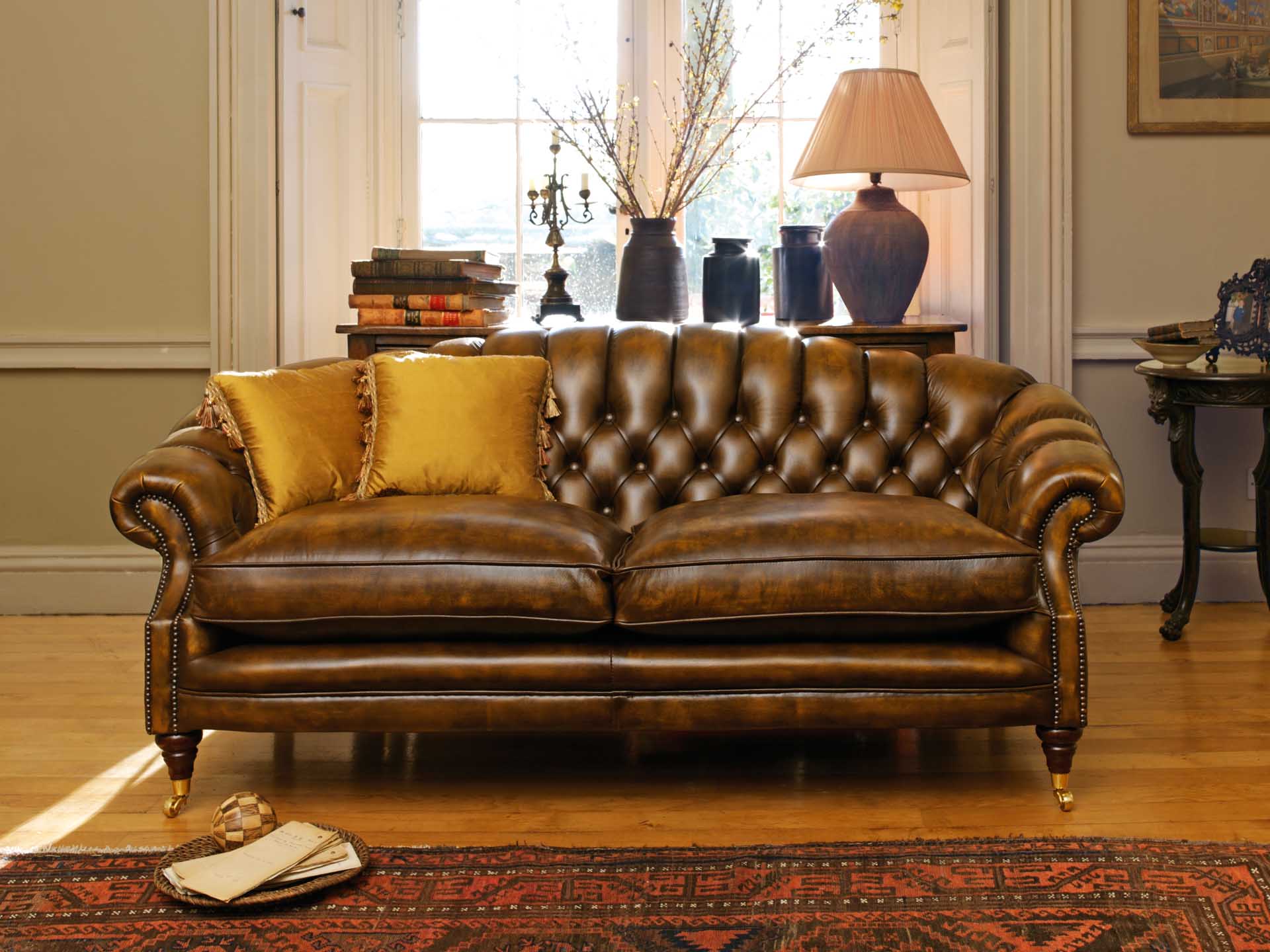
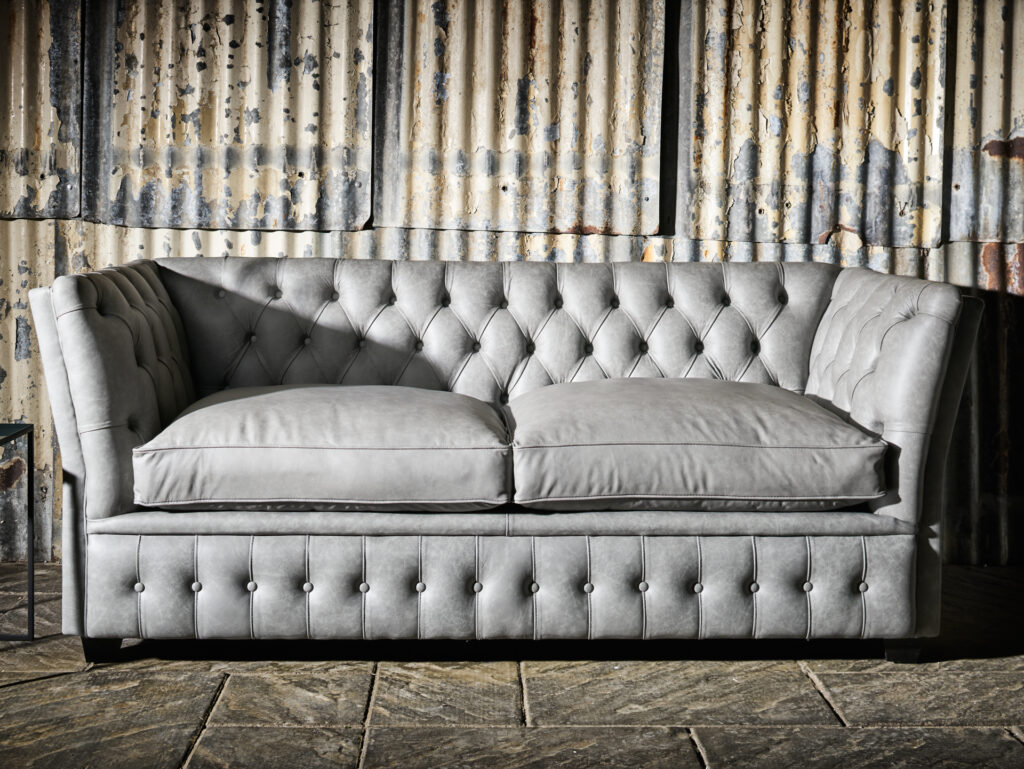
Bradwell Chesterfield Sofa Antiqued Gold

Antiqued leather

Used primarily for our Classic furniture. Fine corrected grain leather with an antique top coat. After the furniture has been upholstered this top coat can be rubbed off in areas to reveal  the lighter colour beneath thus giving an aged appearance. Some hallmarks such as scars and insect bites may also show. This leather will age with use revealing more of the base coat. Whilst all natural materials will be subject to pet damage, leathers in general are a lot more resilient compared to fabric. ‘Antiqued’ leather in particular features a protective seal that offers a little more protection than usual which is why it is a popular choice within environments of heavy use (restaurants, bars, hotels, etc). Hide size av. 4.5 sqm. Thickness approx. 1.2mm*


Hand-Coloured leather

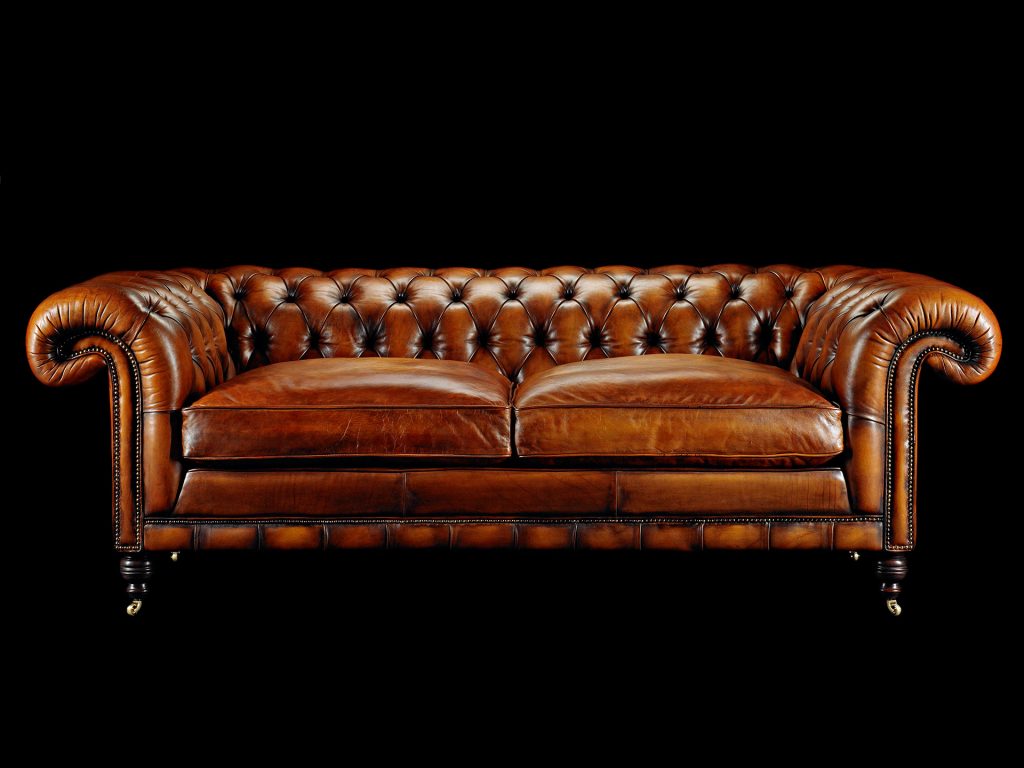
Developed by Fleming Howland, this is a soft full grain, full aniline leather that is used specifically for hand dyeing. Colour dyes are mixed and gently massaged into the leather which is then allowed to dry. This process is repeated at least six times to ensure a beautifully-toned patina. As the dyes are absorbed in varying intensities on different areas of the skin, the original hallmarks of the hide ensure that every piece is completely unique and distinctive. full article about this leather can be found here. Full-aniline leather, which is the hide’s most organic state, will always reveal heavy scarring and blemishes. One of the advantages of the hand-coloured finish is its long-term serviceability. The surface can be professionally refreshed, blended and recoloured over time, helping the furniture age as a maintained object rather than a disposable one. Hide size av. 4.5 sqm. Thickness approx. 1.2mm*


chesterfield sofa in grey

Saddle Leather

Especially developed for an aged yet contemporary finish. This is a full grain, semi-aniline leather full of character with scars, bites and scratches. Very hard-wearing. A natural full-grain leather with a slight pull up characteristic, the leather when stretched lightens to the hide dye colour beneath giving a pleasant contrast of shades. Hide size av. 4.5 sqm. Thickness approx. 1.2mm*

Sensitivity to marks and scratches

Because leather contains natural oils within its surface, it is sensitive to scratches and rub marks through normal use. These marks are superficial only and do not weaken or damage the hide. They should be regarded as part of the natural behaviour of the material rather than as defects. While specialist creams and conditioners are available to reduce the visibility of such marks, Fleming Howland generally recommends allowing the leather to evolve naturally, developing its own patina over time.

Natural hallmarks

Leather will display many inherent hallmarks which are part of its authenticity as a high-grade natural material. These may include indented healed scars, stretch marks, insect bites, variations in grain texture, subtle colour shading, vein lines and growth marks.

Understanding quality

Leather thickness and leather quality are not directly linked. A thicker leather is not necessarily better, nor is a finer leather lower in quality. Quality is determined by factors such as hide selection, grain structure, tannage, finish, and suitability for upholstery use.

As leather is a natural material, slight variations in thickness, handle, and surface character can occur across different parts of the hide. Once upholstered, the leather is also tensioned over the frame and padding, which can make it feel smoother, tighter, or slightly finer to the touch than a loose sample or another style of leather.

To request swatches, please visit the swatches page.

The post Leathers appeared first on FLEMING HOWLAND.

]]>