

Art Deco Chairs
Strong geometry, curved profiles and fluted upholstery define the Art Deco chair collection. References to 1920s and 1930s furniture are carried through proportion and detailing, with traditional English construction providing the underlying structure, support and comfort.
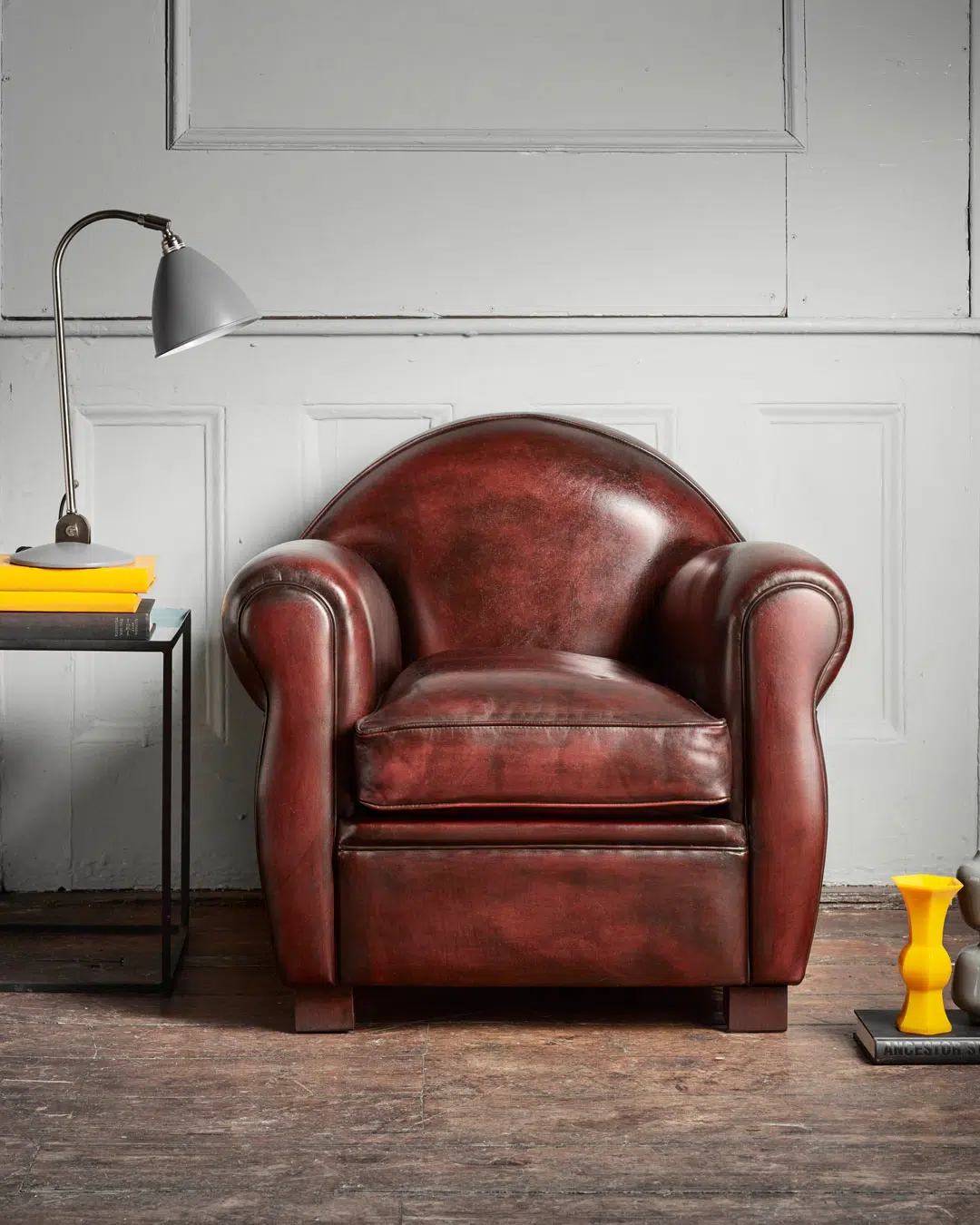
Anchor
A visual delight that marries bold angles with soft curves
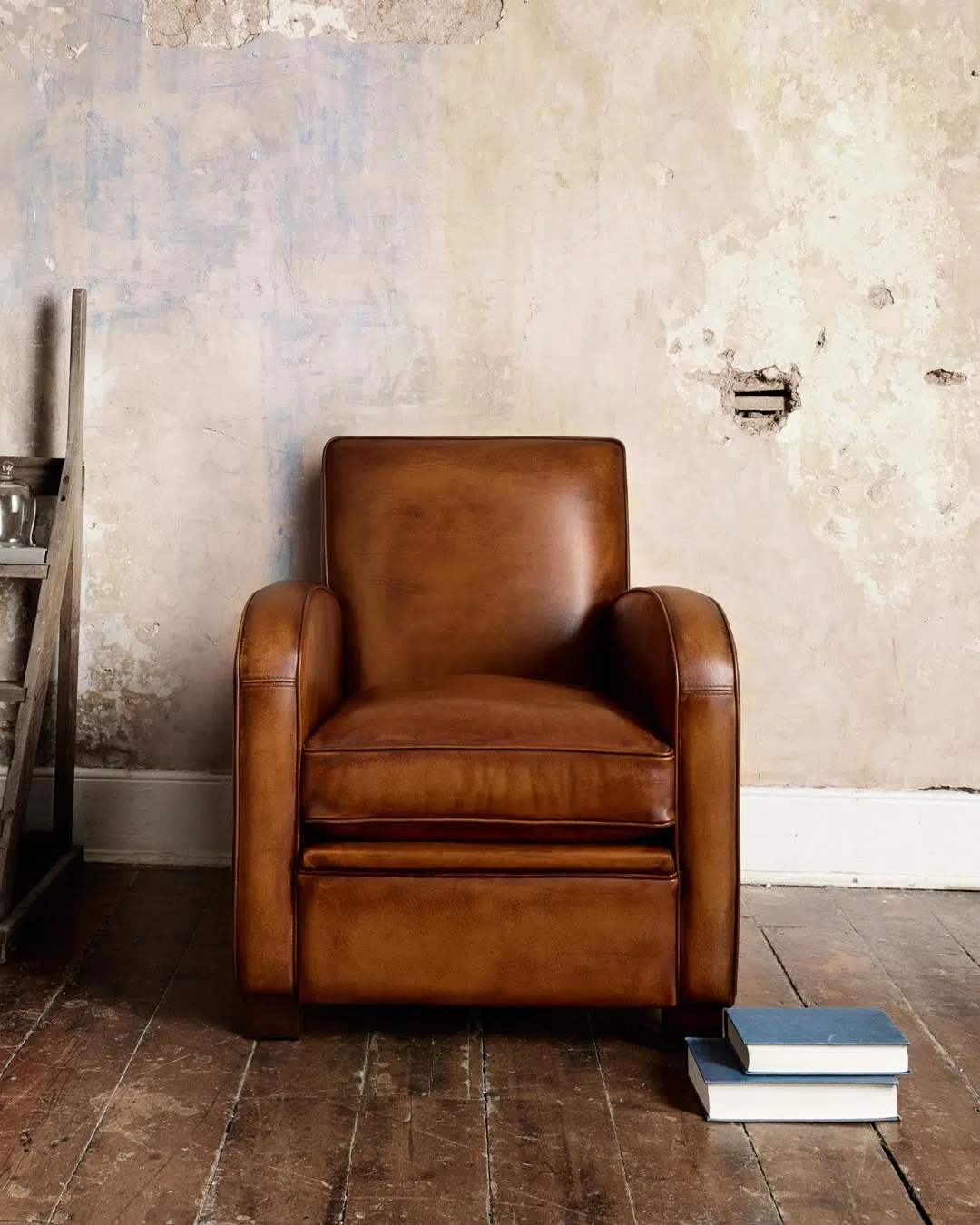
Sloop
Smooth and graceful contours with a feeling harmony
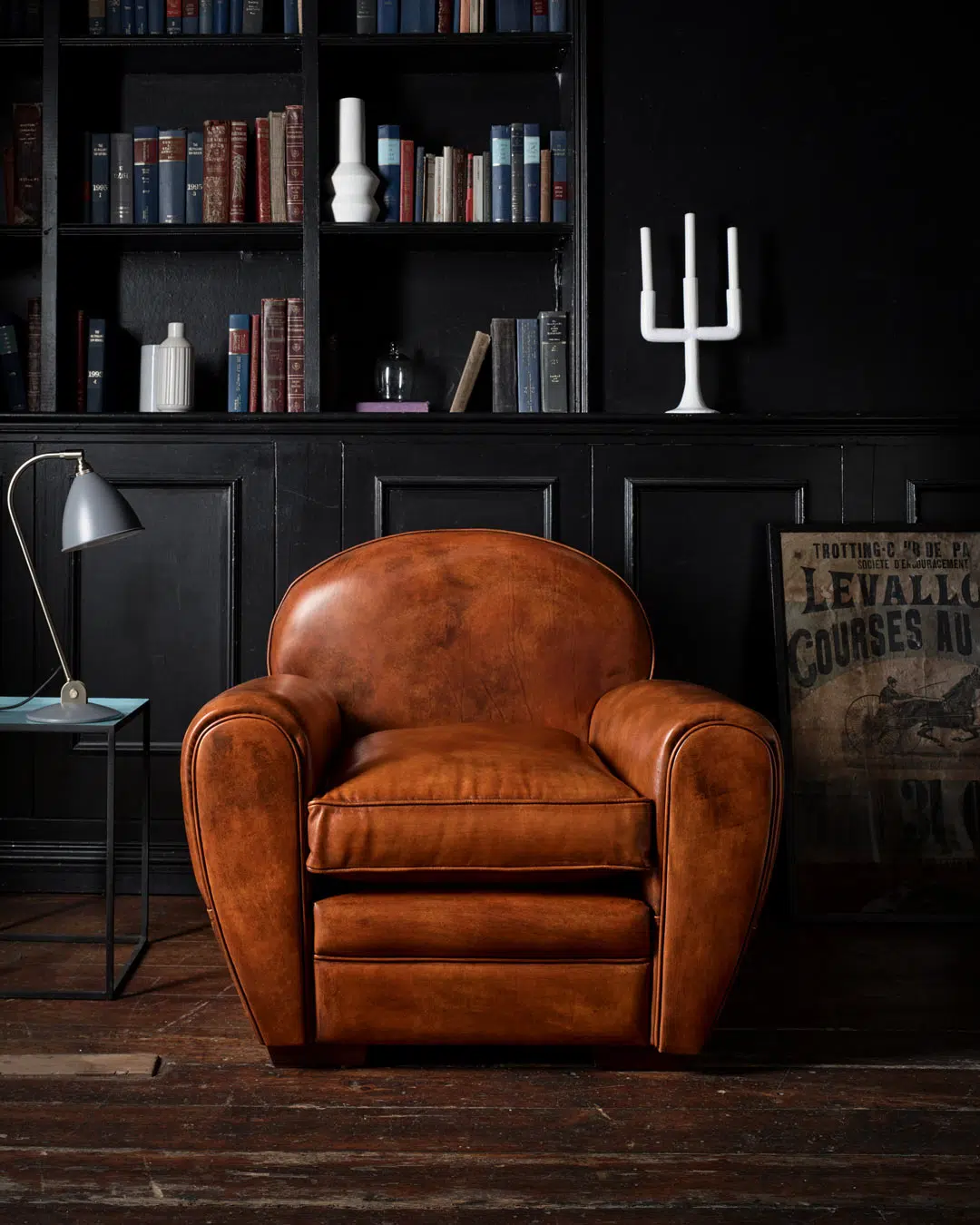
Bowler
A generously proportioned chair symmetrically curved
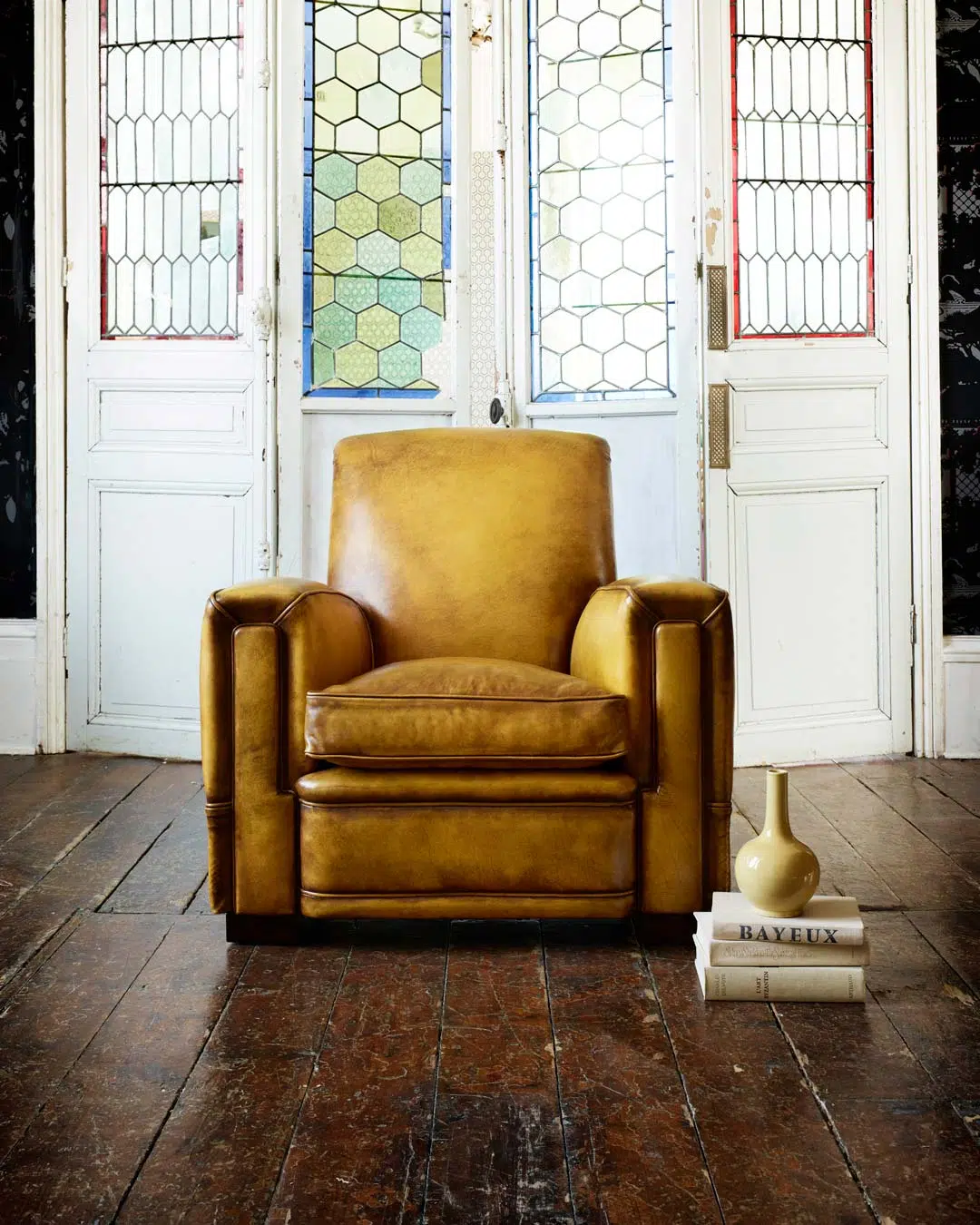
Chop
A comfort-centric emblem of the Art Deco era
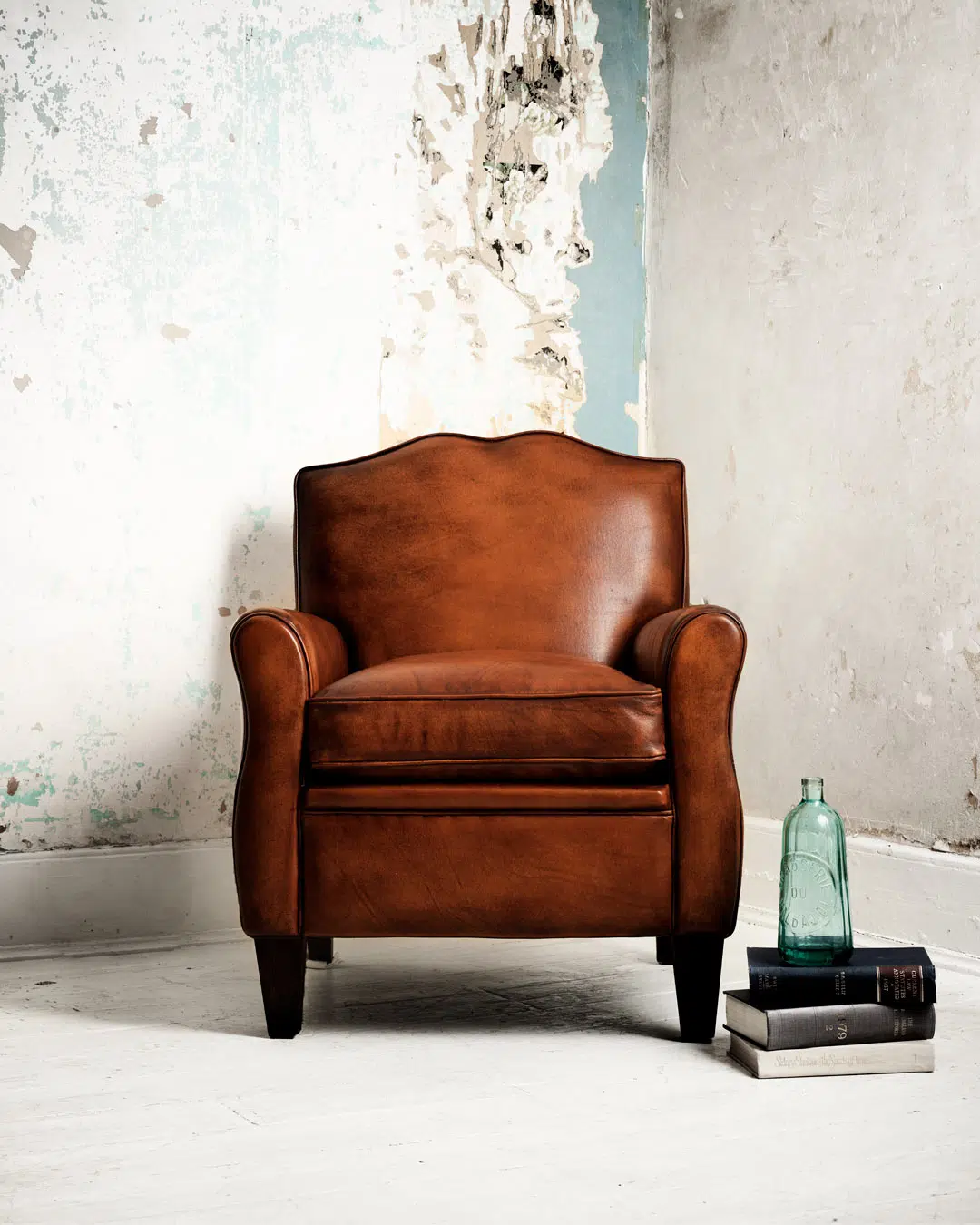
Dali
Clean and crisp lines with an emphasis on form and elegance

Cloud
Geometric styling with detailed veneer banding
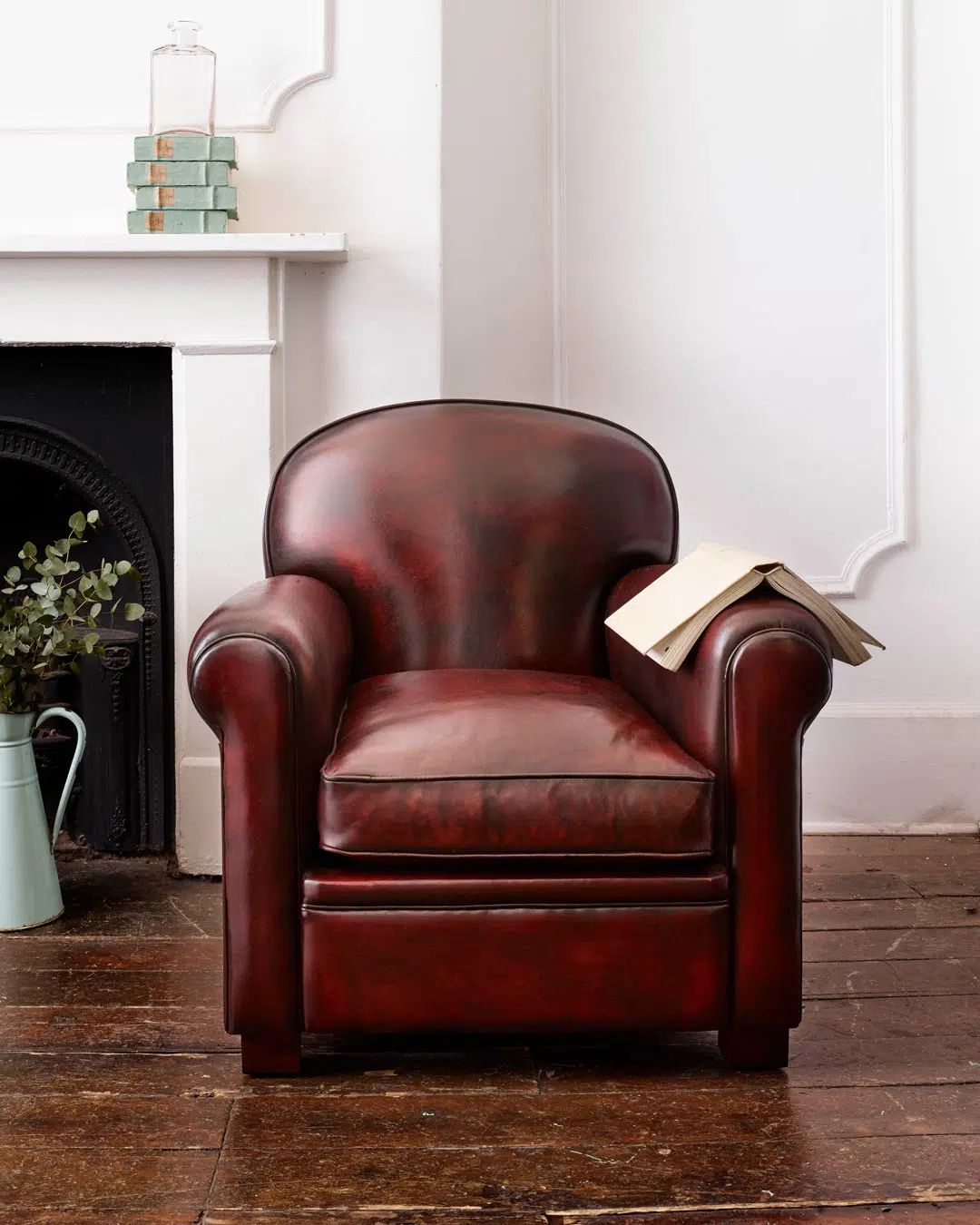
Busby
An arched full-bodied backrest inspired by the busby hat

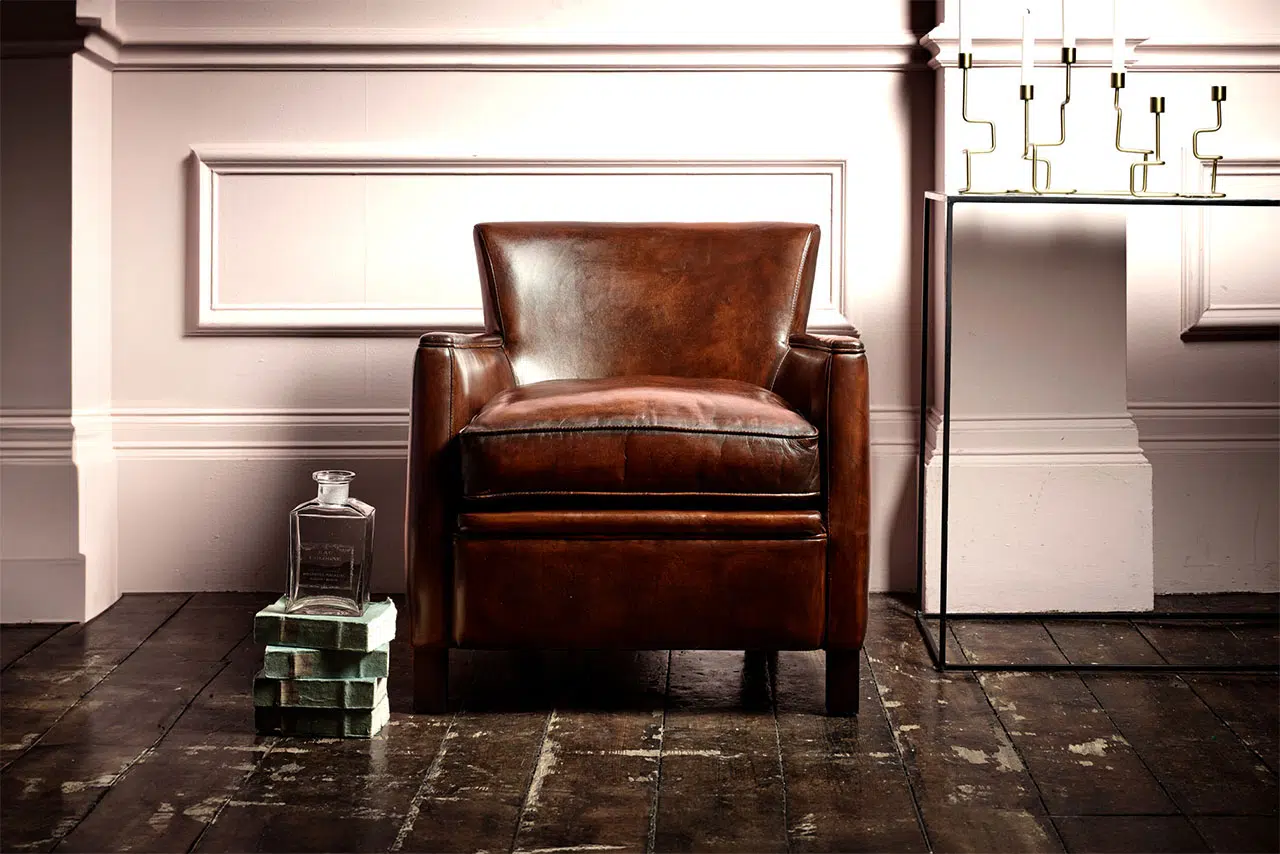


Belvedere
Barrel shaped and fluted with a scalloped side profile
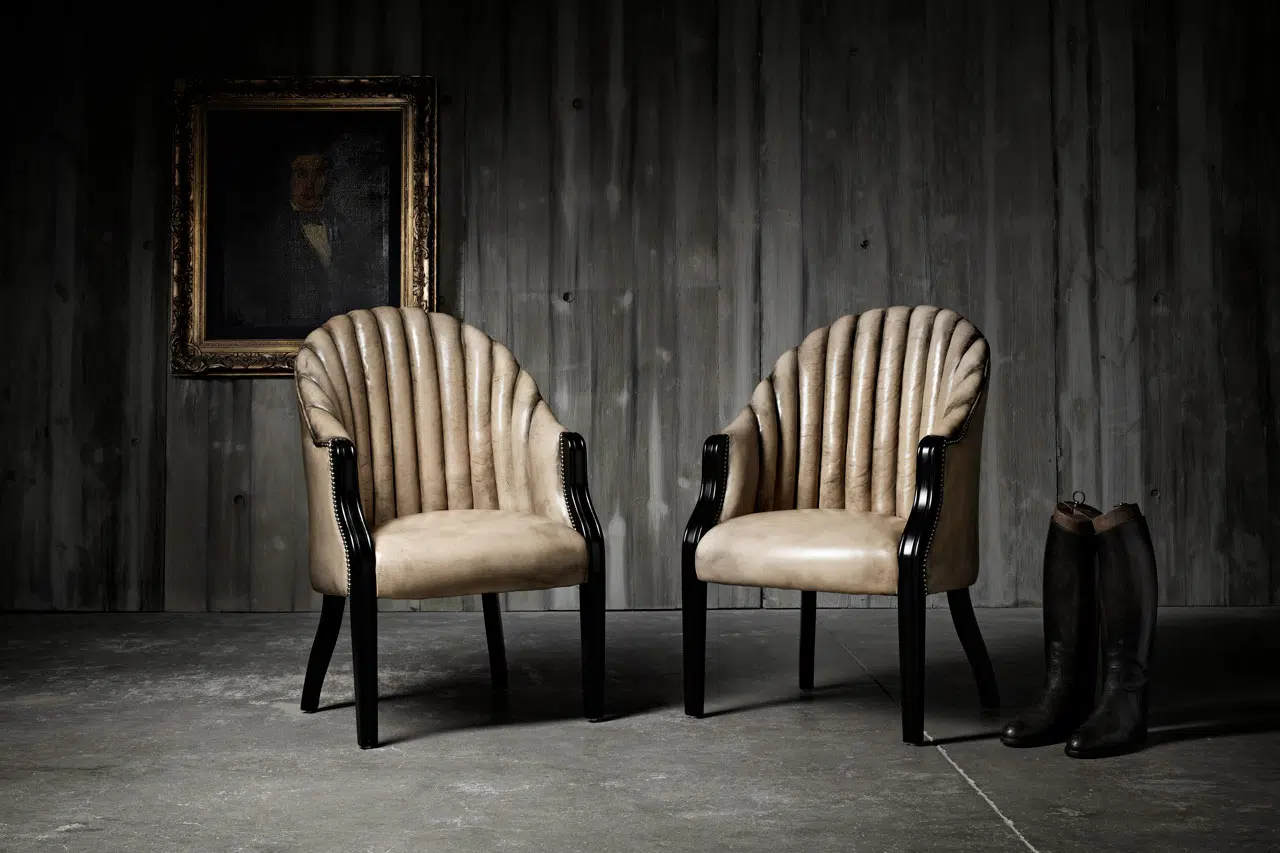
Belvedere
Barrel shaped and fluted with a scalloped side profile

Belvedere
Barrel shaped fluted-back design with scalloped profile

Oliver Goldsmith
An unapologetic celebration of form and luxury
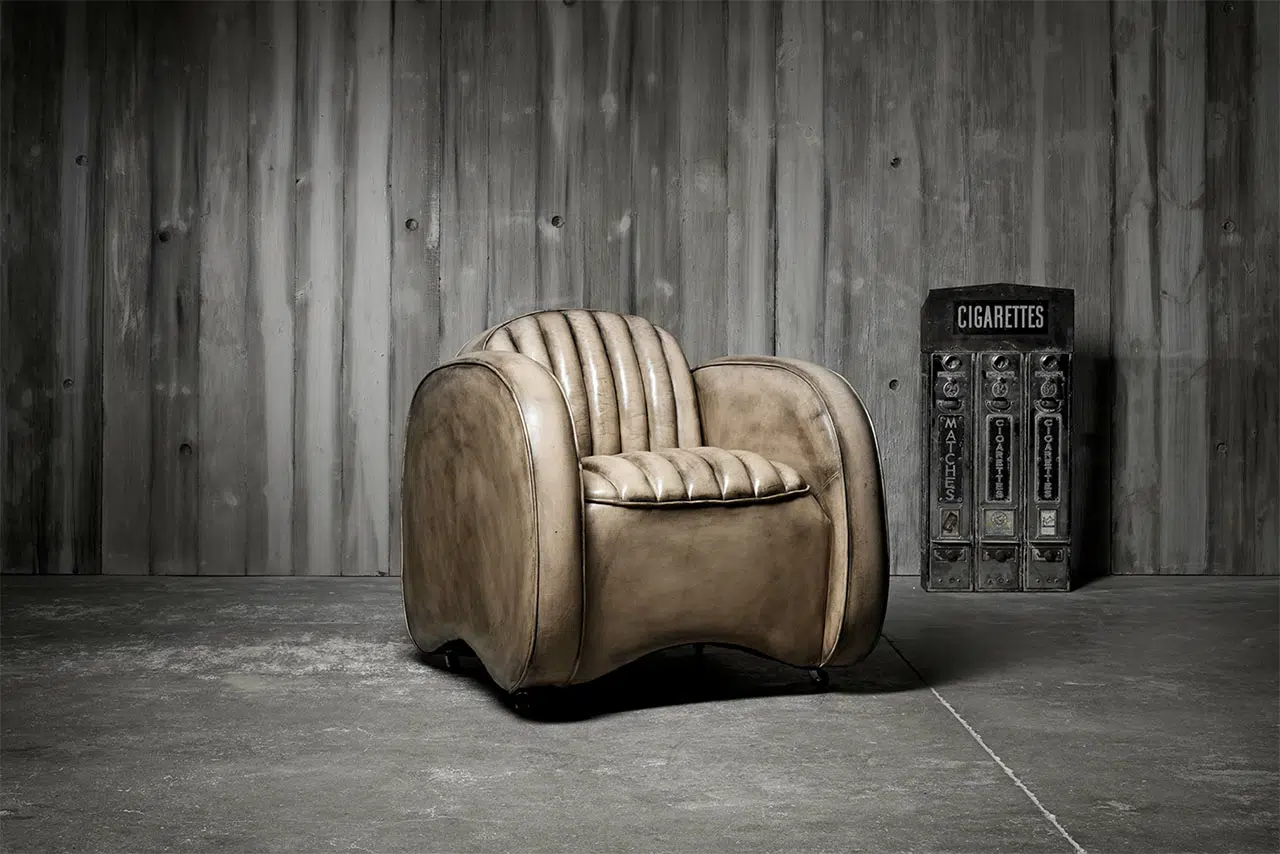
Mustang
Capturing the spirit of a mid-20th-century American car seat
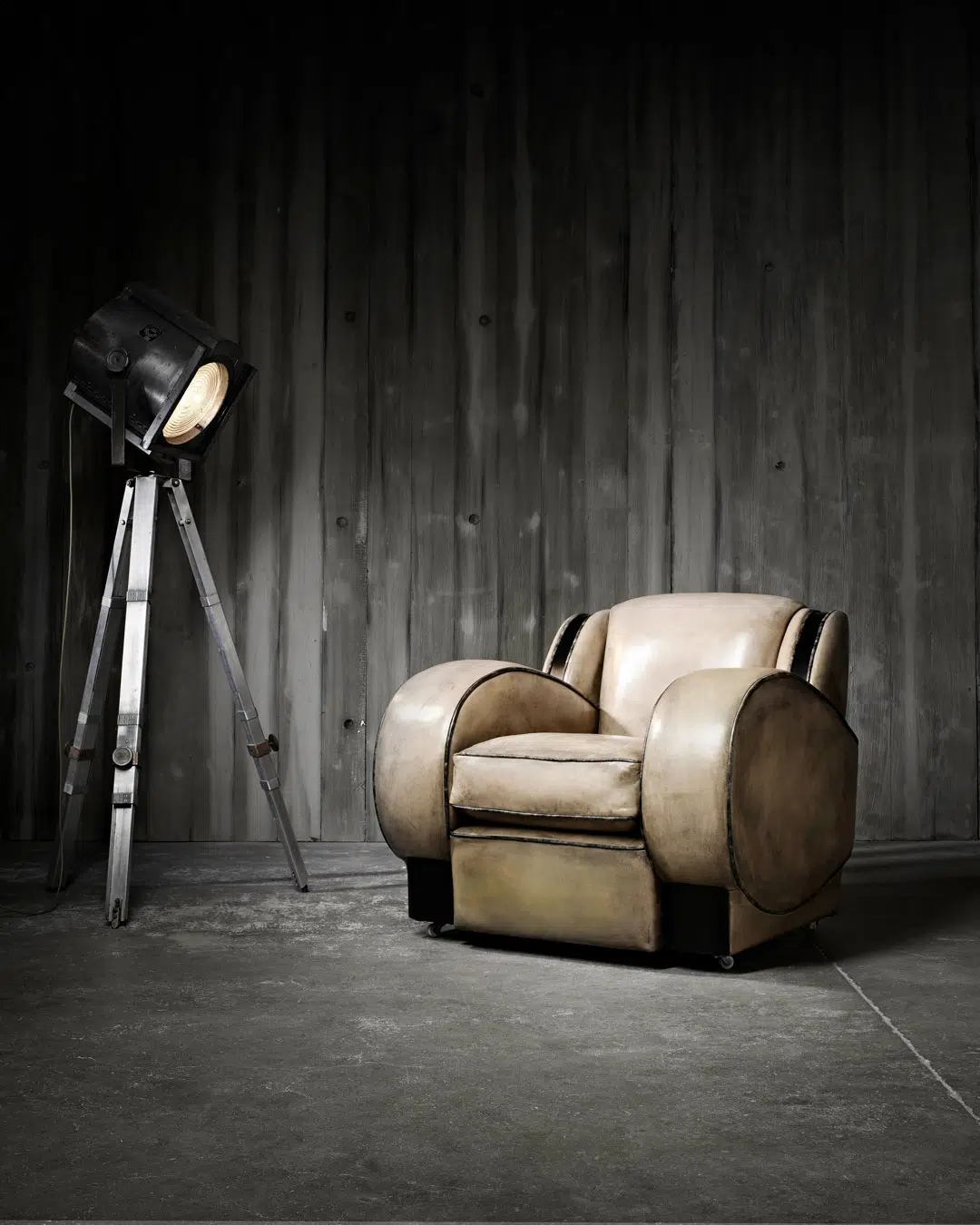
Tank
An opulent bucket seat design epitomizing the art deco era
Art Deco chairs introduce a more graphic presence through controlled curves, vertical detailing and compact sculptural forms. Upholstery choices can shift the character from richly decorative to more restrained, allowing the typology to work across both period and contemporary interiors.
Colour Guide
Art Deco chairs use colour and material to emphasise geometry, from curved barrel backs and fluting to sharper modernist profiles. Rich velvets can deepen sculptural form, while leather creates a more controlled, architectural surface. The Colour Guide explores how tone, texture and finish can strengthen the distinctive silhouette of Art Deco chairs within an interior.
Discovery Box
The Discovery Box brings together materials particularly suited to Fleming Howland Art Deco chairs. Hand-coloured leather gives curved and fluted forms greater tonal depth, while velvet introduces a richer and refined surface lustre. Wood finishes and decorative nail options can then be considered alongside the upholstery, helping define how each chair sits within a broader palette of stone, metal, lacquer or timber.

Digital Brochure
Submit the form to receive full collection of digital brochures by email.
Request Brochure
Frequently Asked Questions
What defines an Art Deco chair?
Art Deco chairs typically use strong geometry, symmetry, curved or stepped profiles and luxurious materials. Common details include fluted backs, barrel forms, polished timber and rich upholstery. The style developed through the 1920s and 1930s and remains closely associated with modernist luxury.
What is the difference between Art Deco and mid century chairs?
Art Deco generally uses more geometric ornament, richer materials and a stronger sense of symmetry, while mid century design tends to emphasise lighter frames, exposed structure and functional simplicity. There is overlap, particularly in later 1930s and 1940s furniture.
Can Art Deco chairs work in a contemporary interior?
Yes. A single Art Deco armchair can provide sculptural contrast in a minimalist room, especially when the surrounding palette is controlled. Choosing a restrained leather or fabric colour allows the geometry to register without making the room feel historically themed.
Were Art Deco chairs traditionally made in leather?
Leather was one of several materials used in luxury Art Deco interiors alongside velvet, exotic timbers, lacquer, chrome and polished metals. Leather remains particularly effective because it emphasises curved upholstery and gains character as it ages.
What Fleming Howland collection includes Art Deco chairs?
Fleming Howland’s Club collection is the clearest expression of Art Deco design, drawing on the atmosphere of 1930s Paris. It includes chairs with curved, fluted, bucket and geometric forms, many available in the company’s hand coloured leathers.