
Small changes in seat height, depth and back angle alter comfort and silhouette. Across the collection, chairs range from low lounge forms and deep-buttoned Chesterfields to wingbacks, office and dining seating, each shaped around posture and use.

All chairs
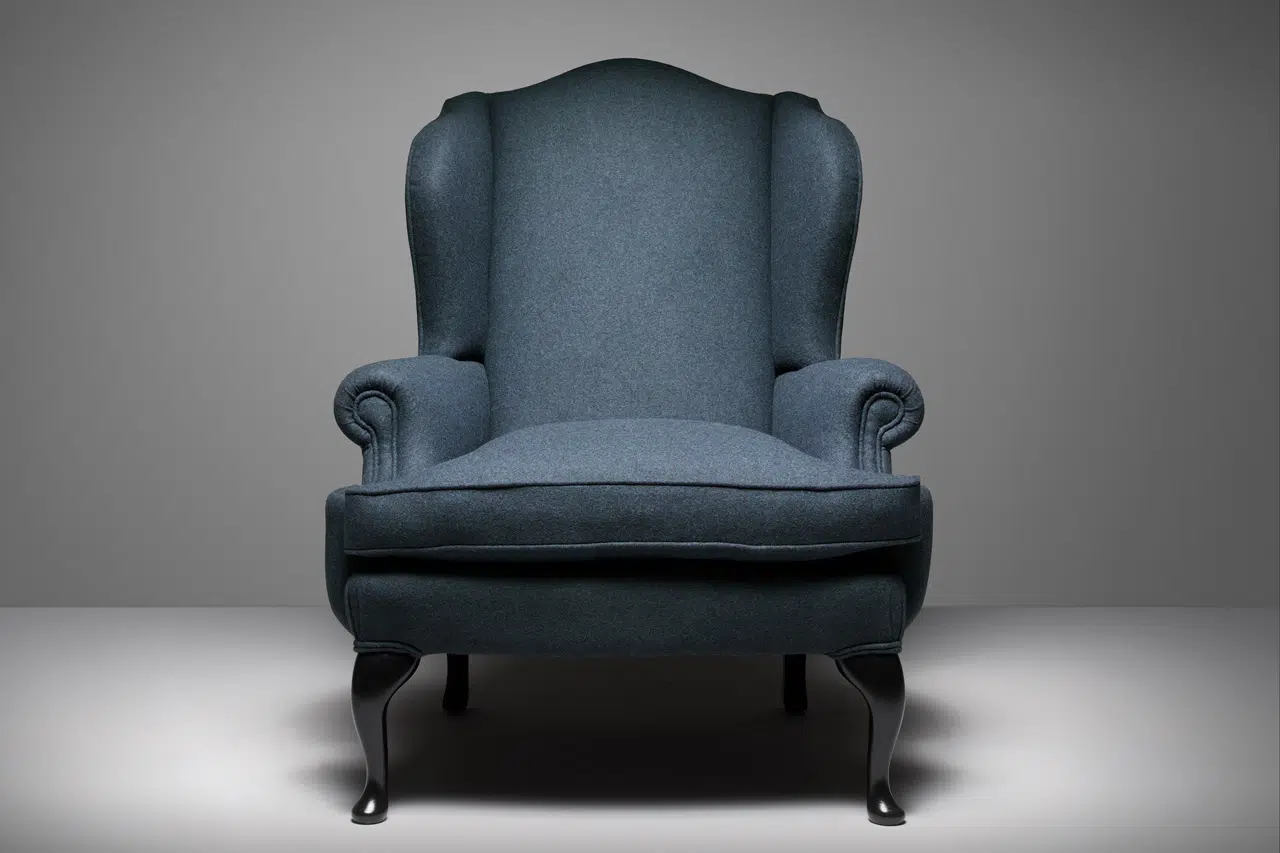
James Boswell
A graceful dance of lines with intertwining angles
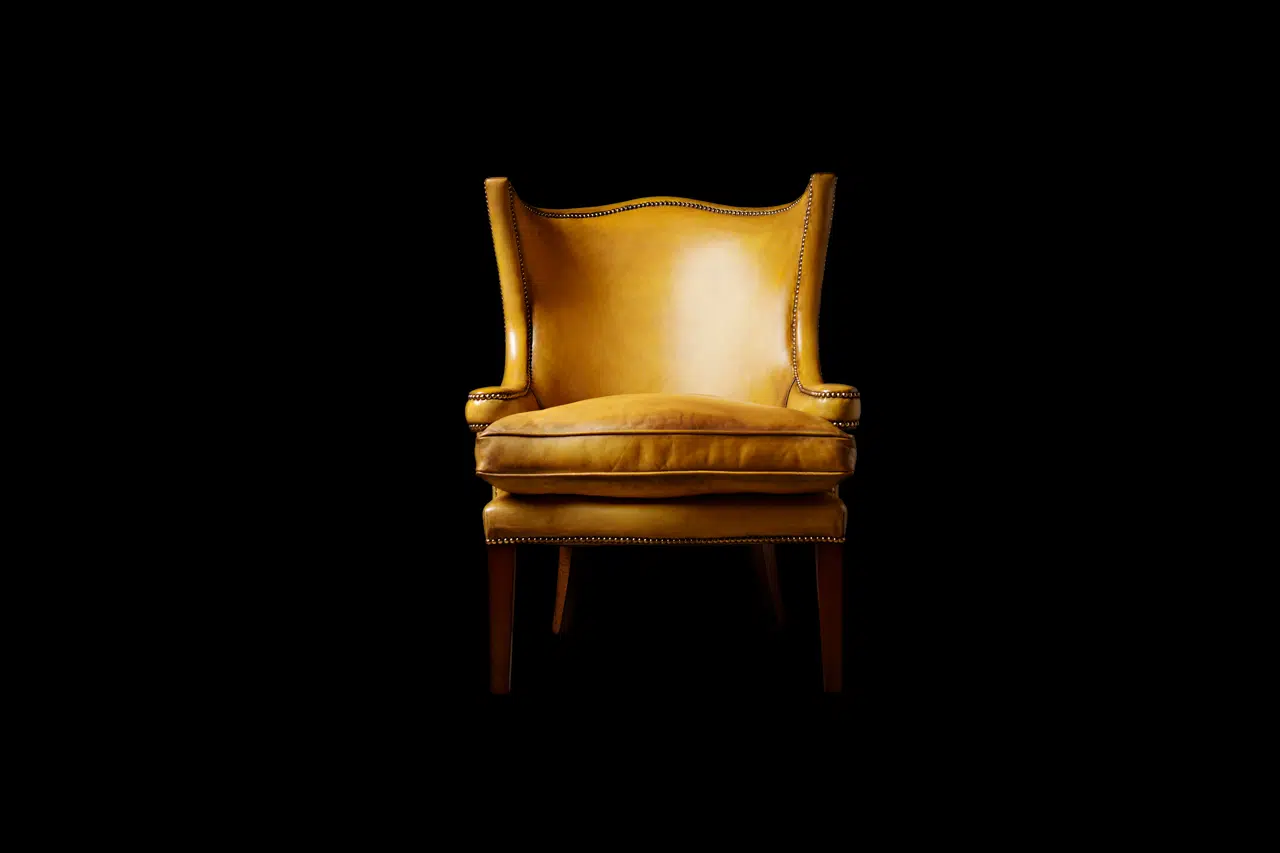
Jonathan Swift
A sculptural object celebrating art and utility
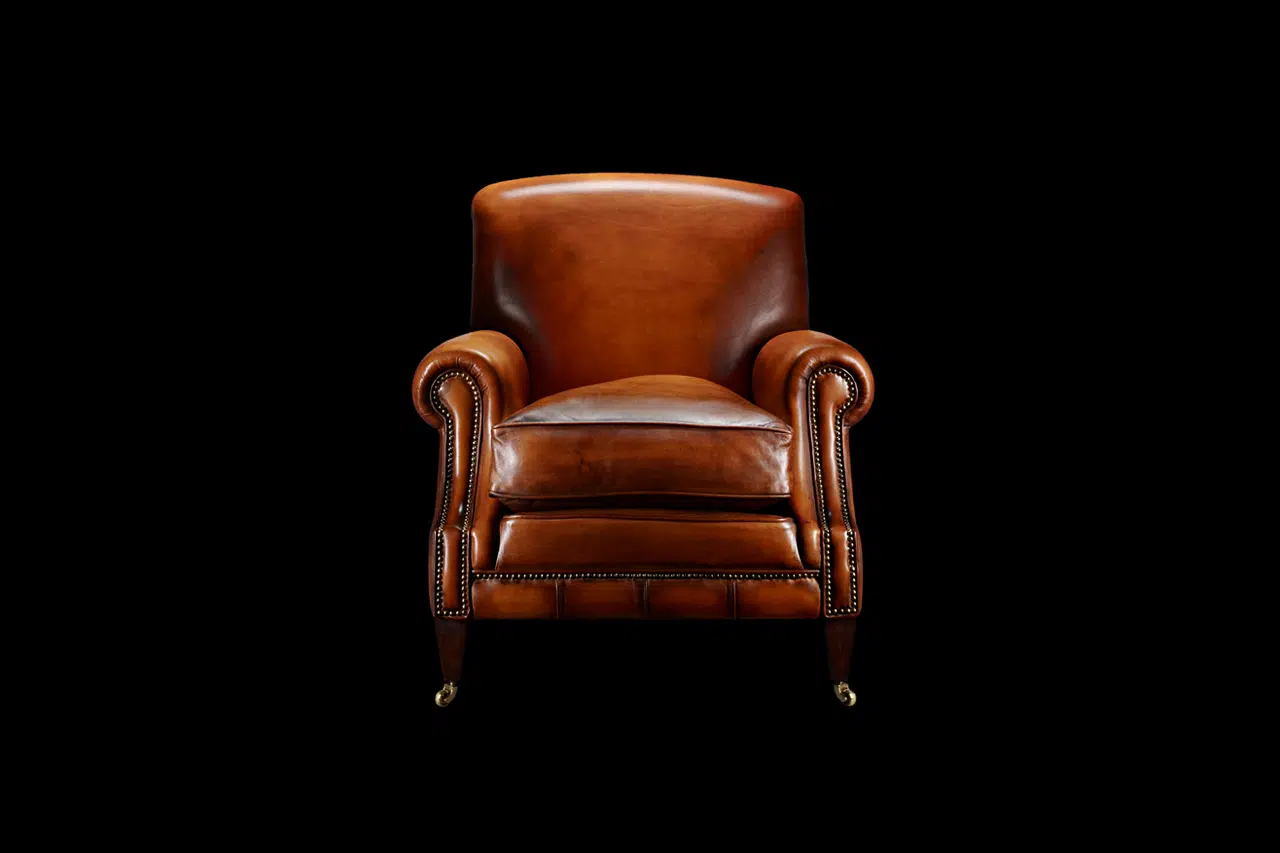
George Berkeley
Low profile library seating with a gentle back incline

Samuel Johnson
A sense of deep seat amplitude with back support softness
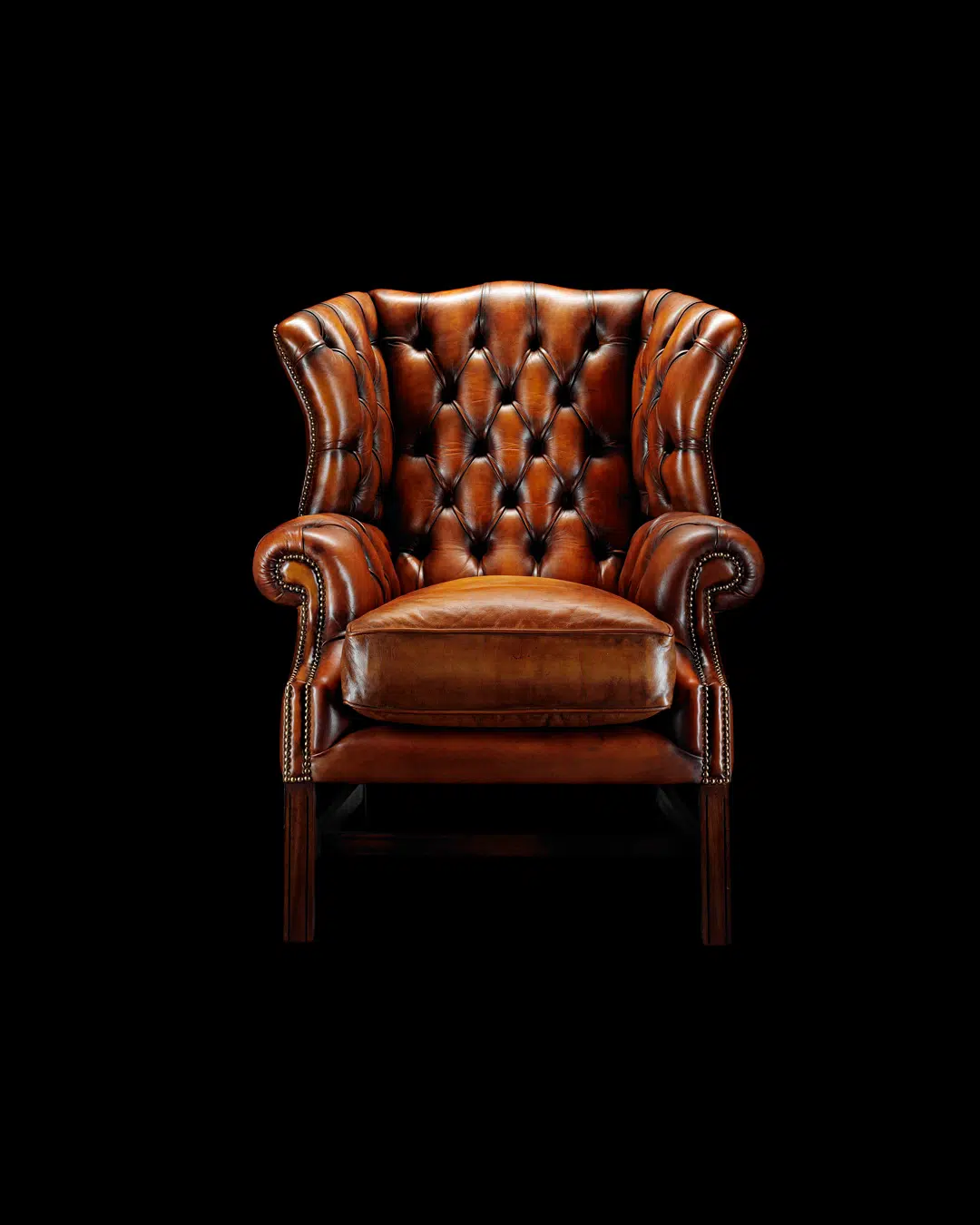
Samuel Johnson
Meticulously buttoned to pay homage to craftsmanship

Oxford
A harmonious blend of tub-style design and quality craftsmanship
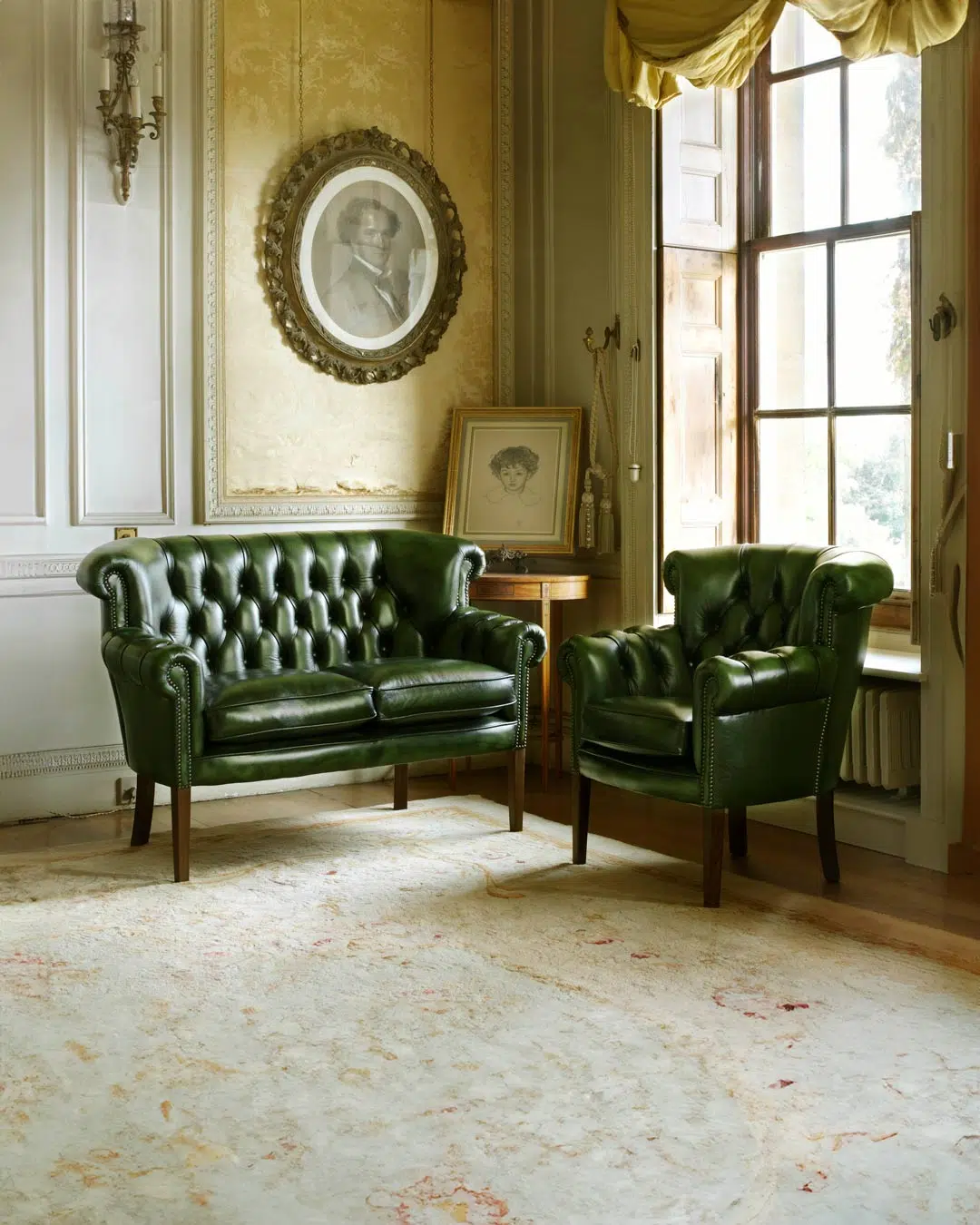
Alfred
A charming piece of furniture in compact form


Oliver Goldsmith
An unapologetic celebration of form and luxury
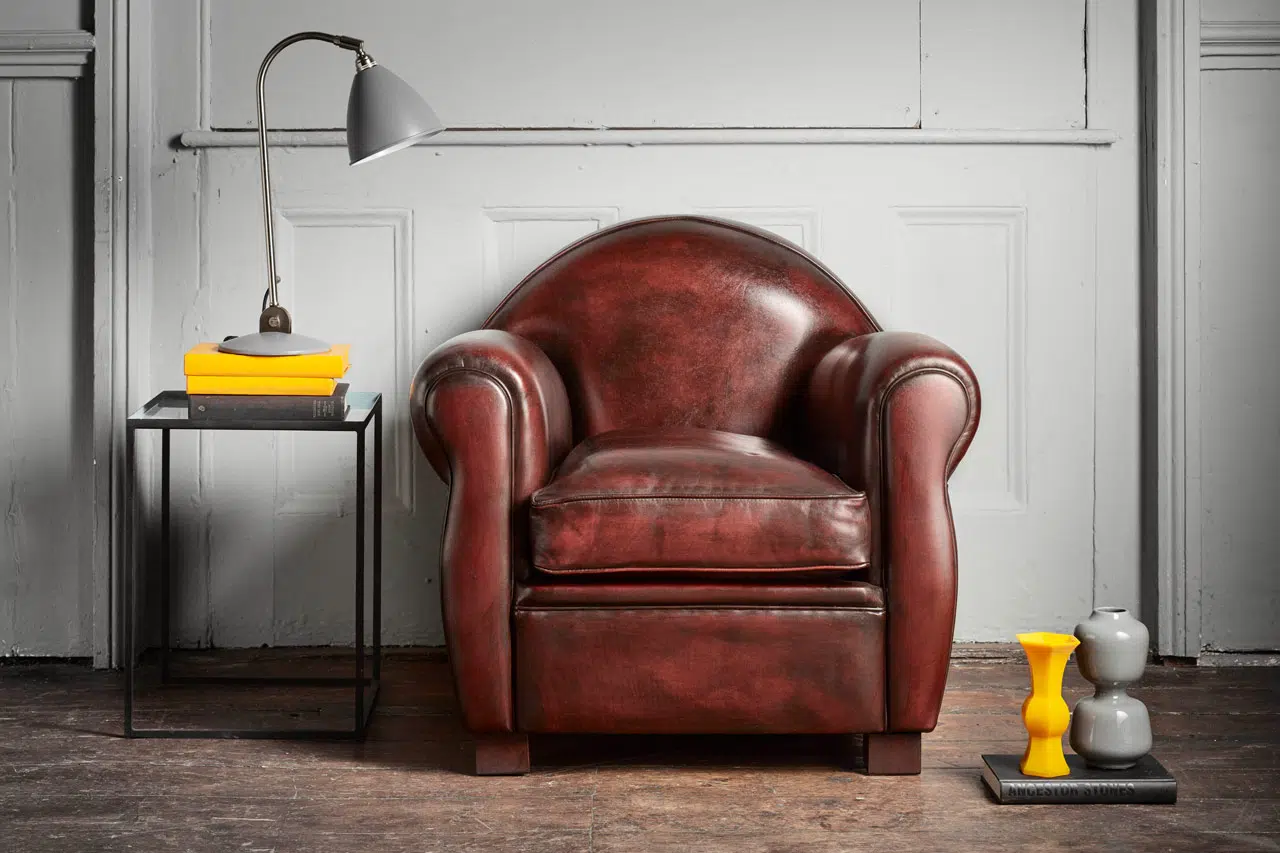
Anchor
A visual delight that marries bold angles with soft curves
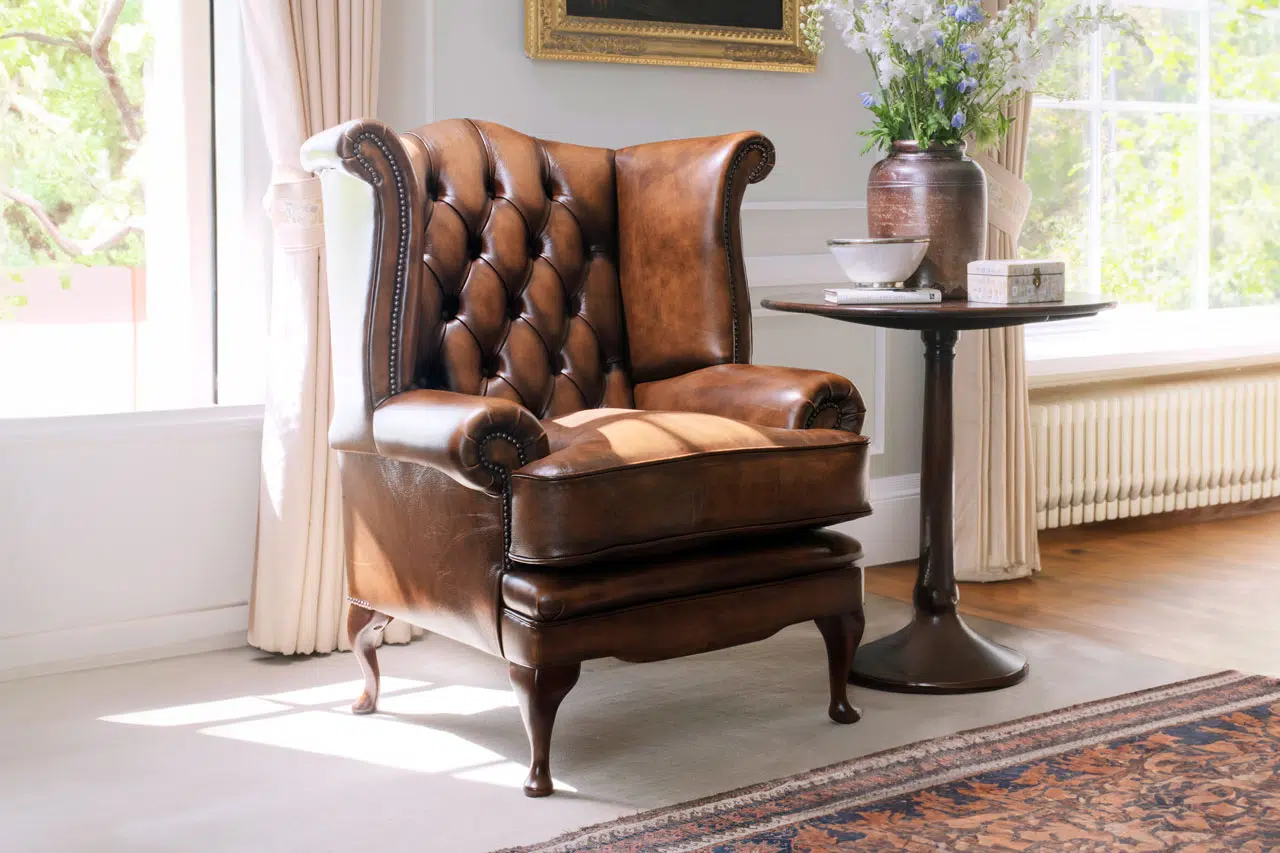
Edward
A soft silhouette defined by voluptuous form
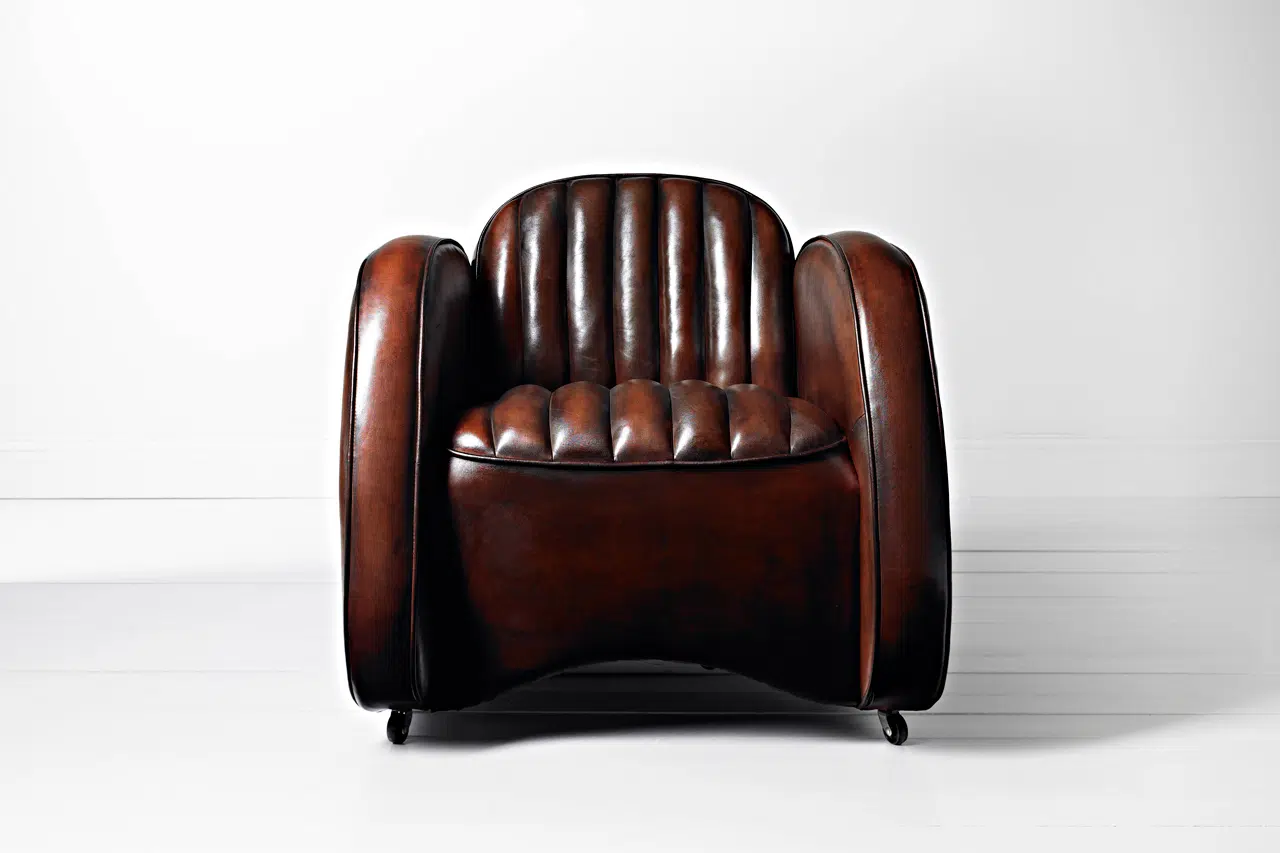
Mustang
Capturing the spirit of a mid-20th-century American car seat
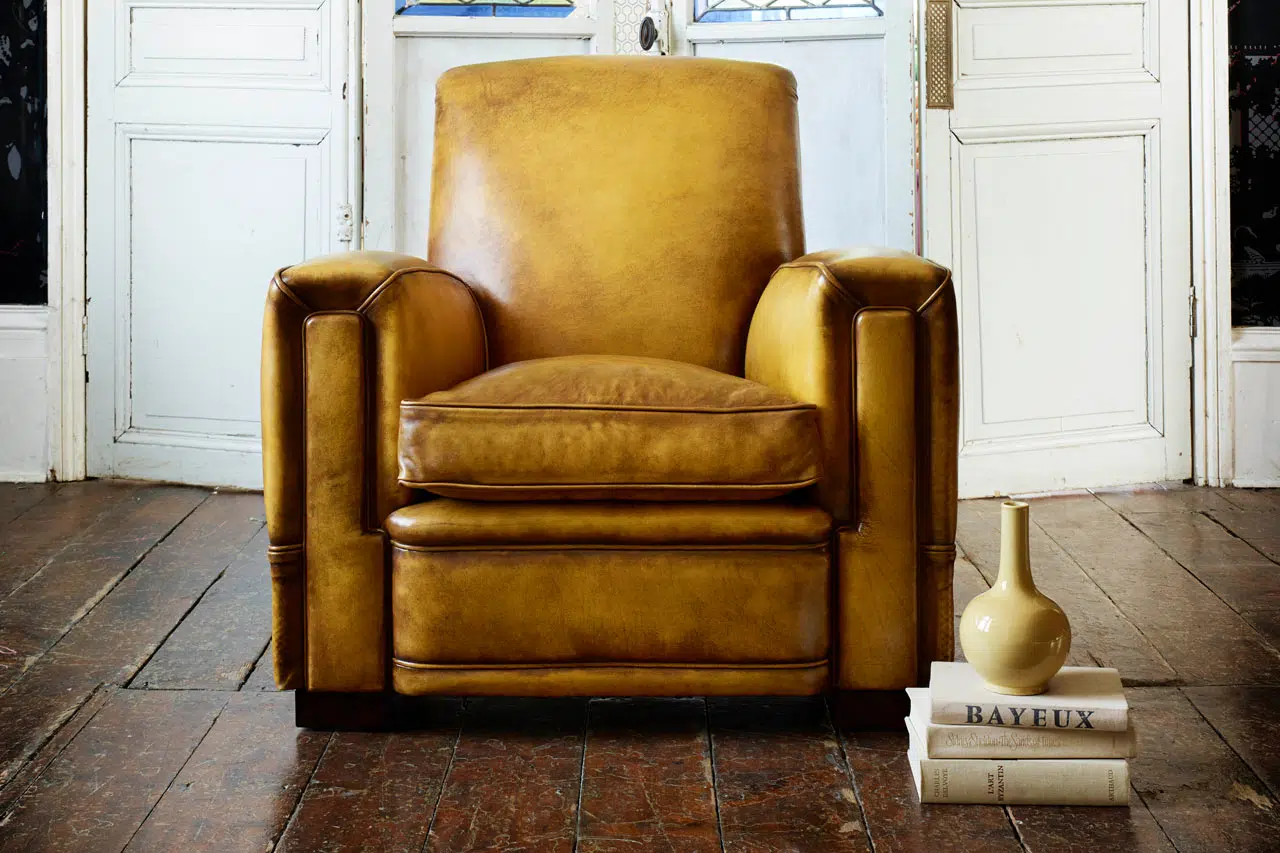
Chop
A comfort-centric emblem of the Art Deco era
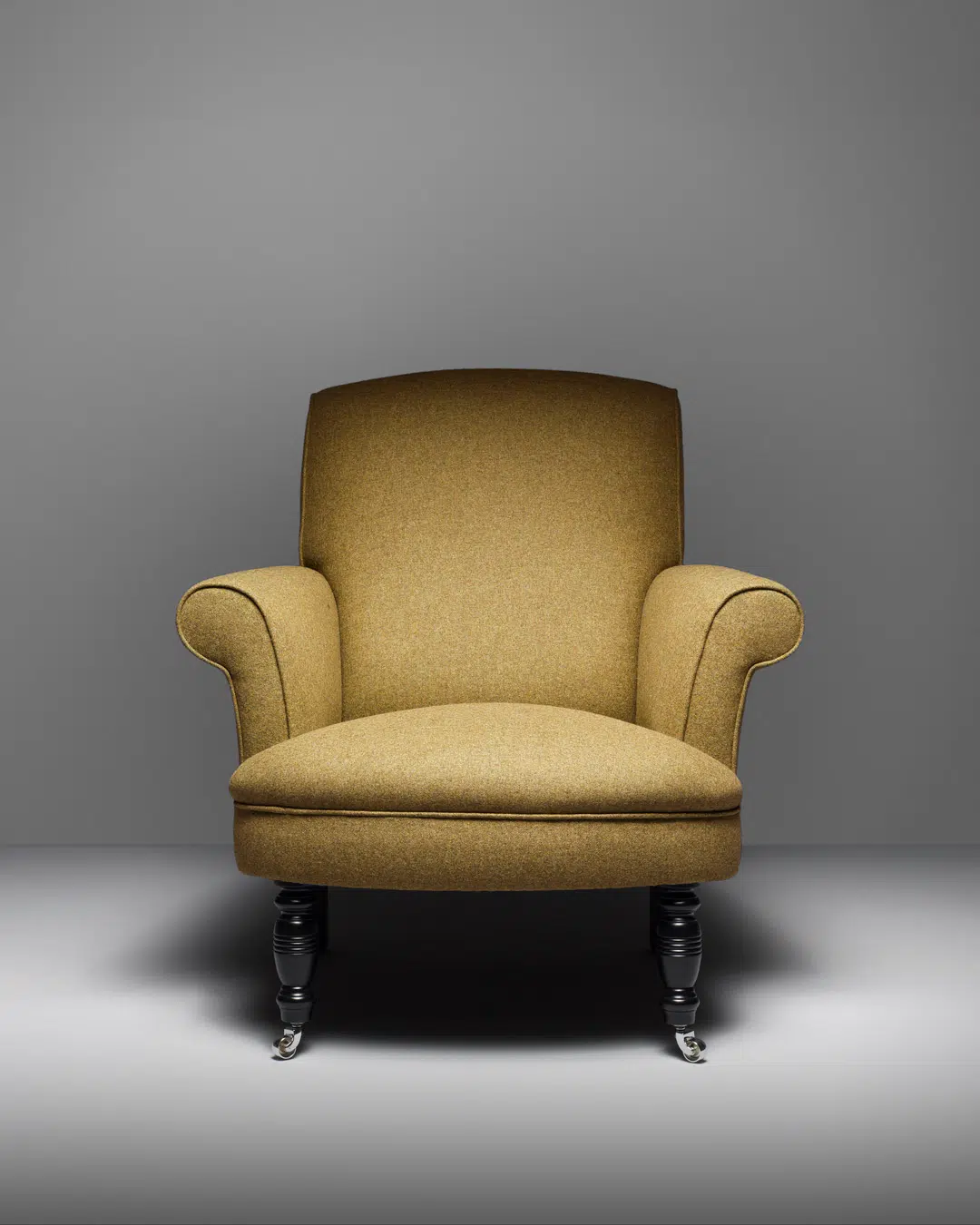
David Hume
A chair devoted to relaxation and ergonomic comfort

Cloud
Geometric styling with detailed veneer banding
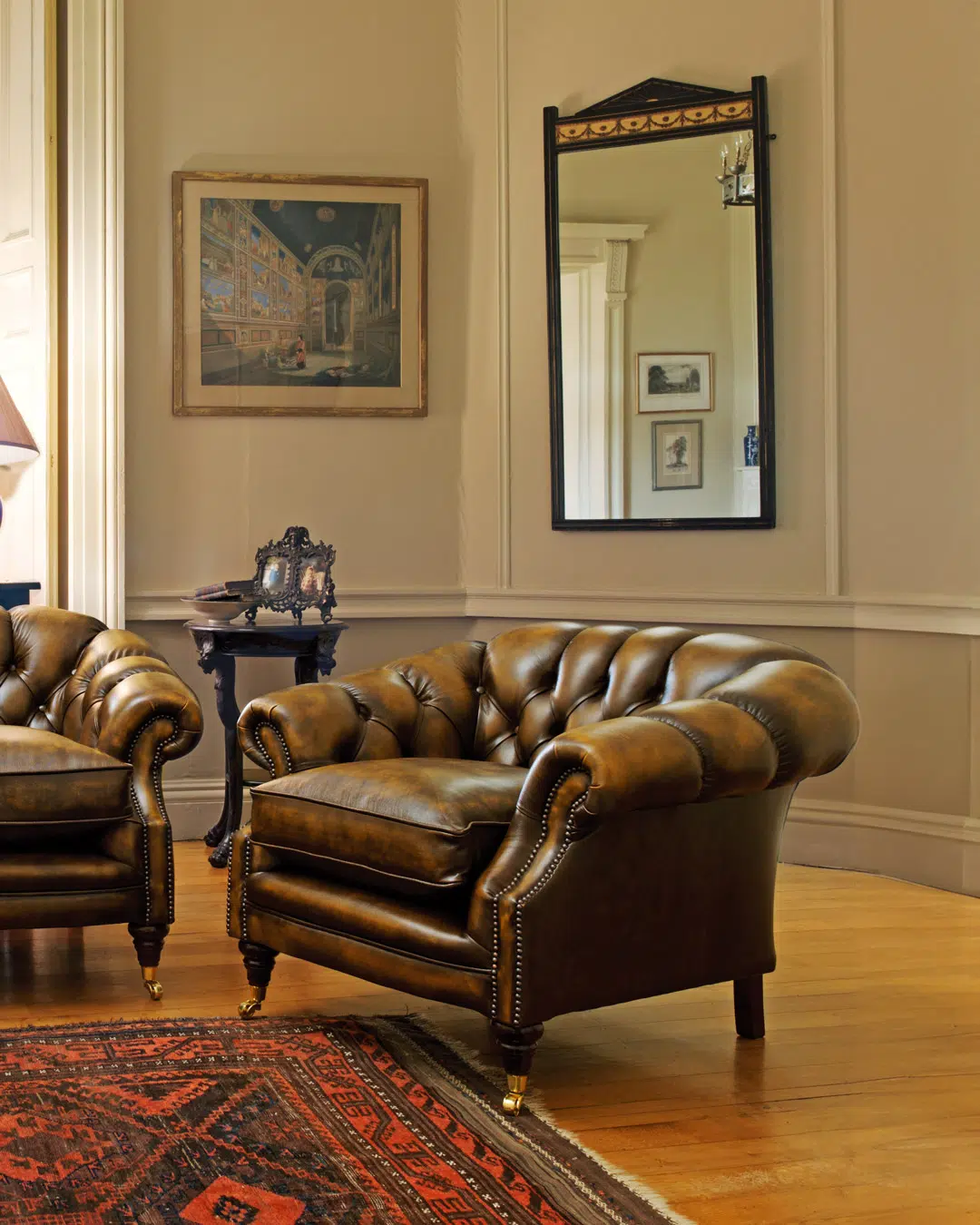
Bradwell
A softly sculpted design defined by gentle curves

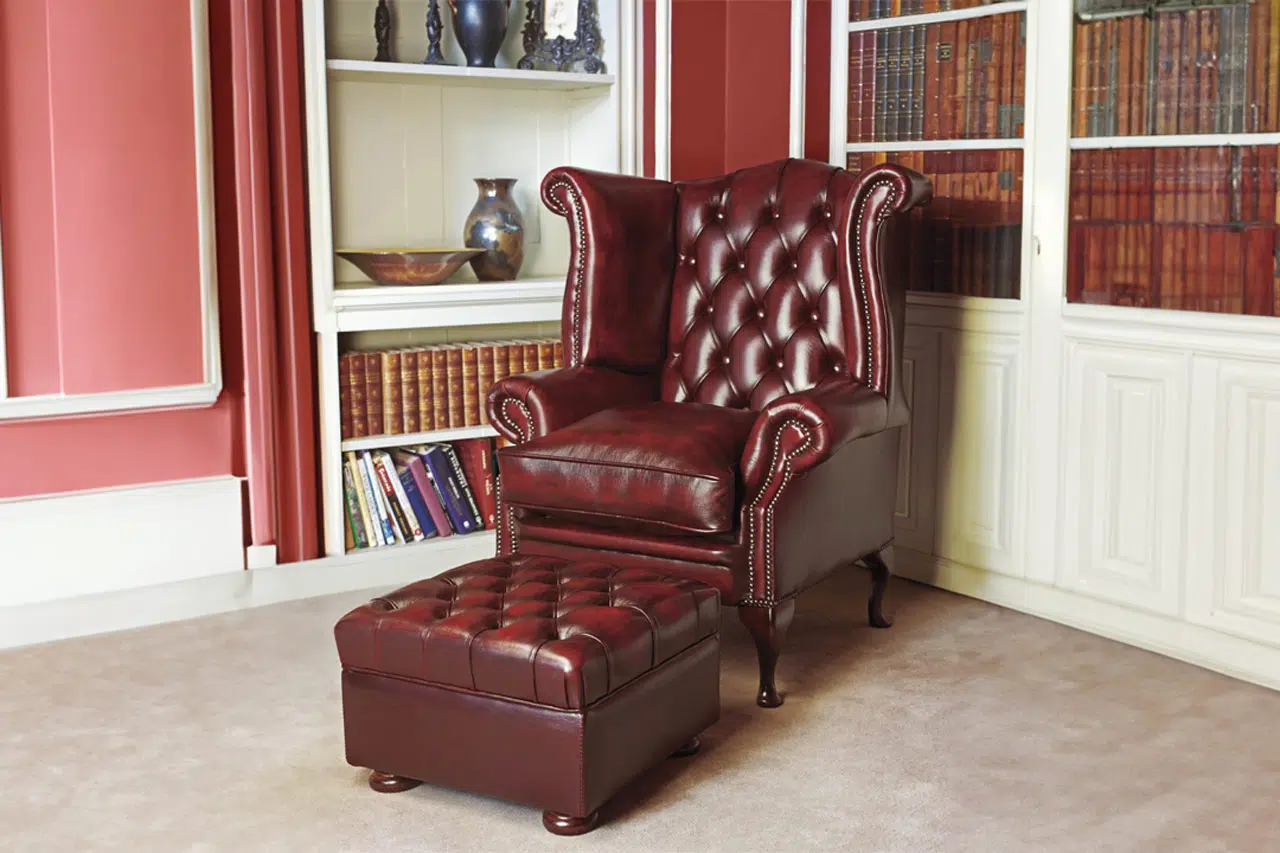
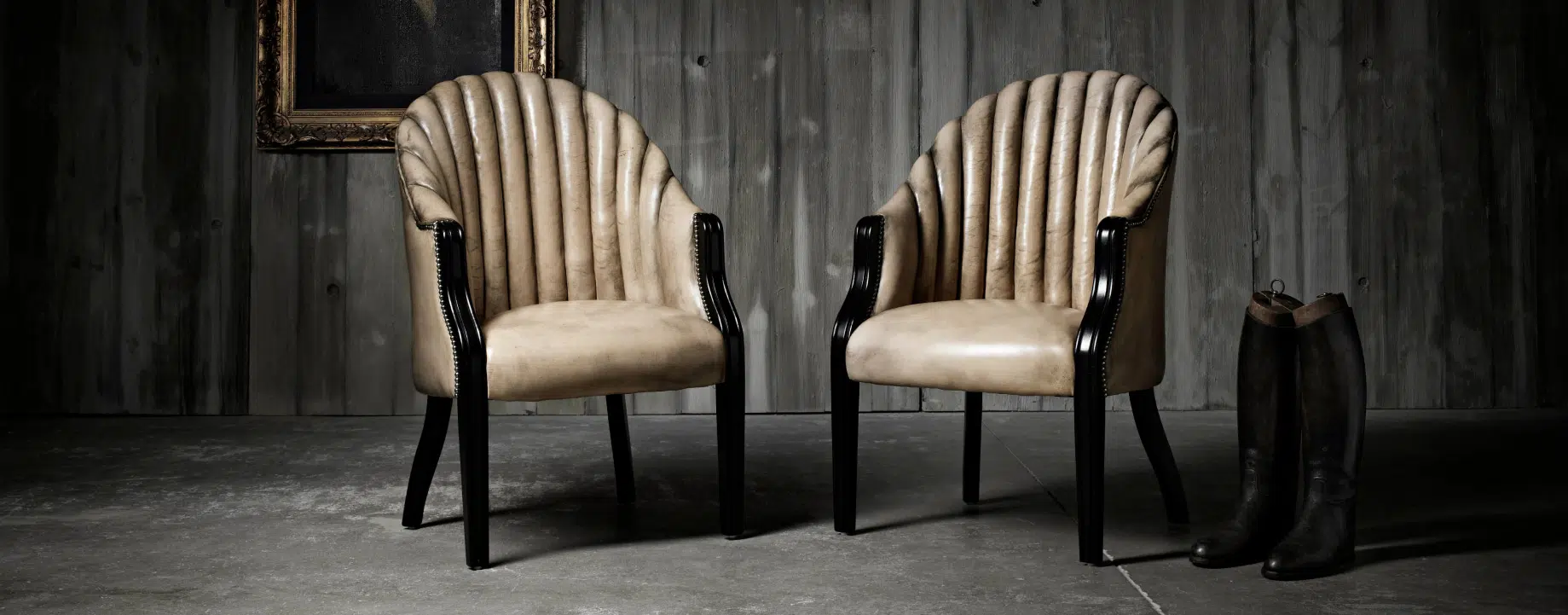
Belvedere
Barrel shaped and fluted with a scalloped side profile

Blower
Graceful aesthetics that achieve perfect visual balance
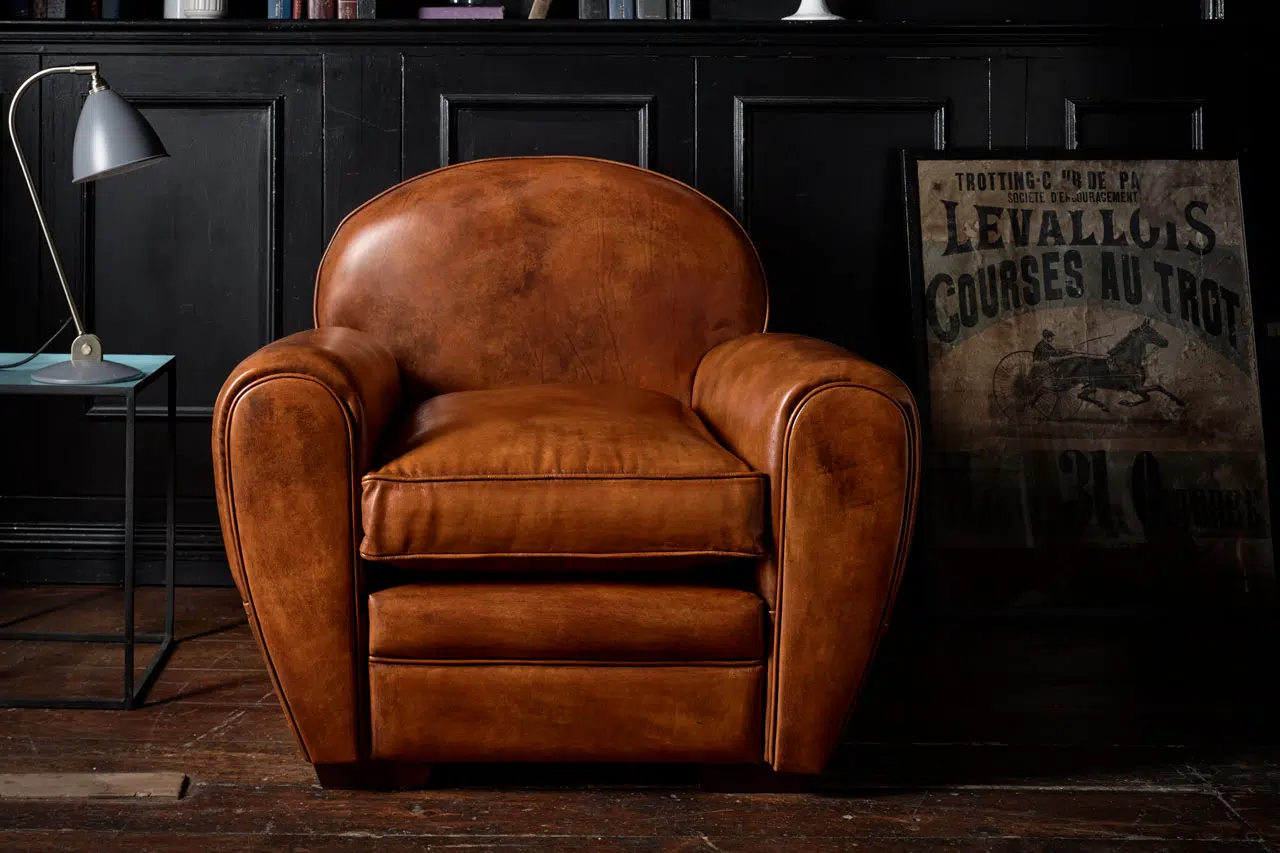
Bowler
A generously proportioned chair symmetrically curved
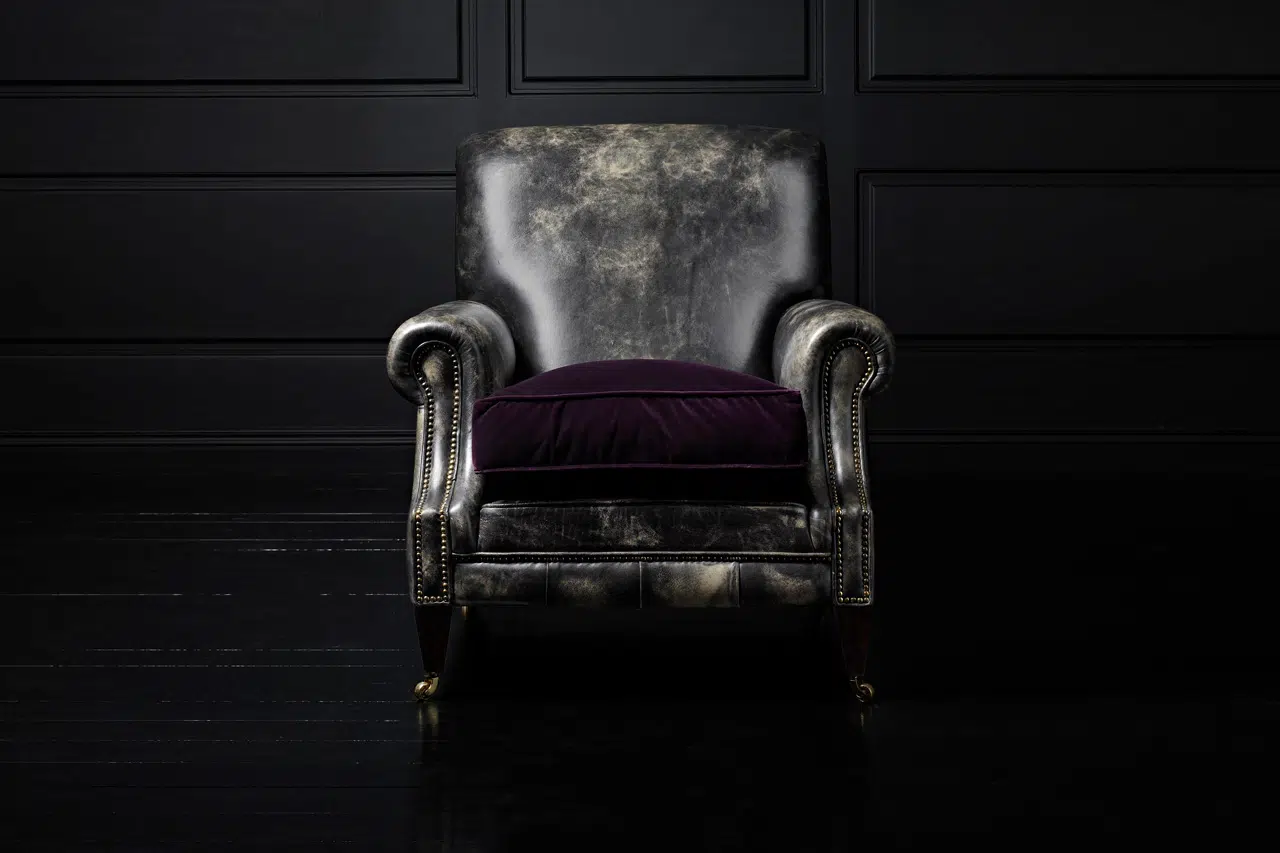
George Berkeley
Low profile seating with a gentle backward incline
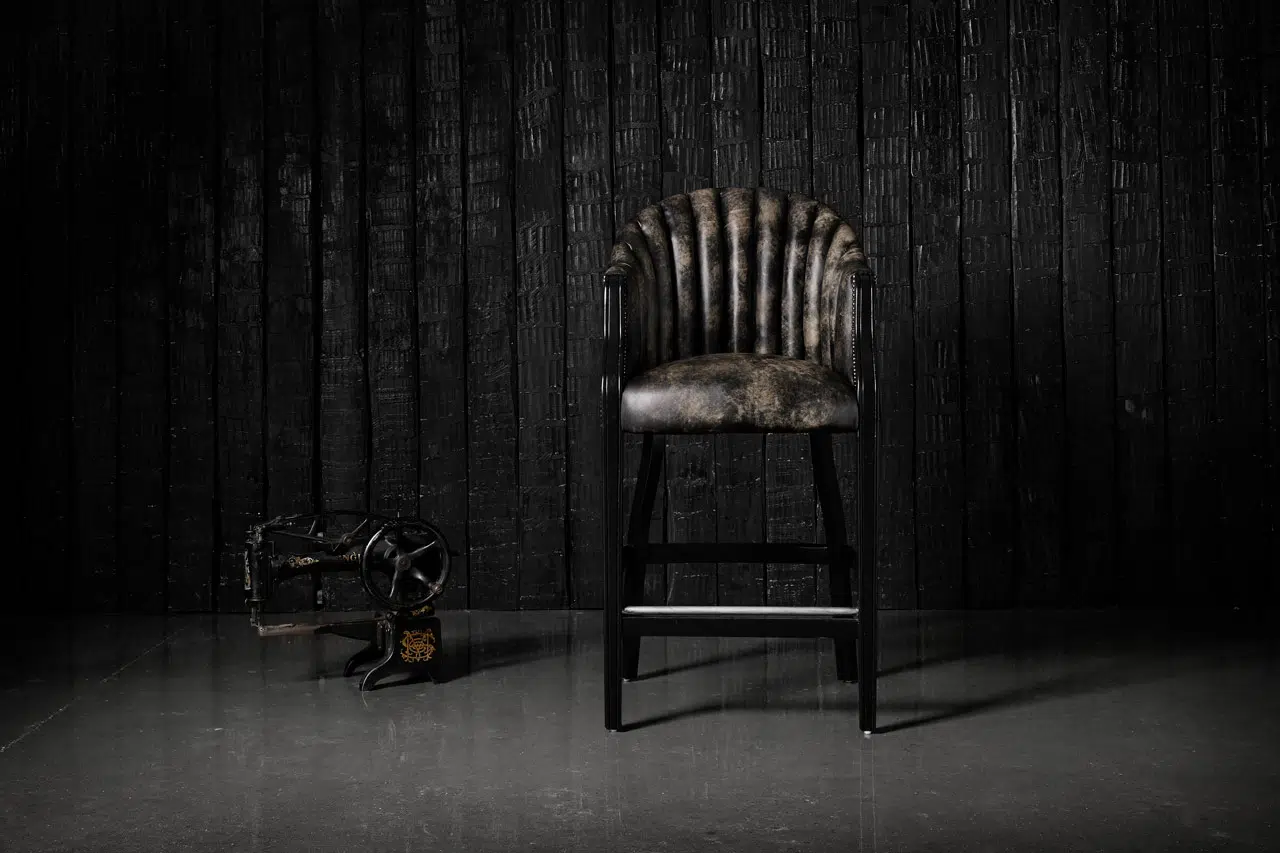
Belvedere
Barrel shaped fluted-back design with scalloped profile
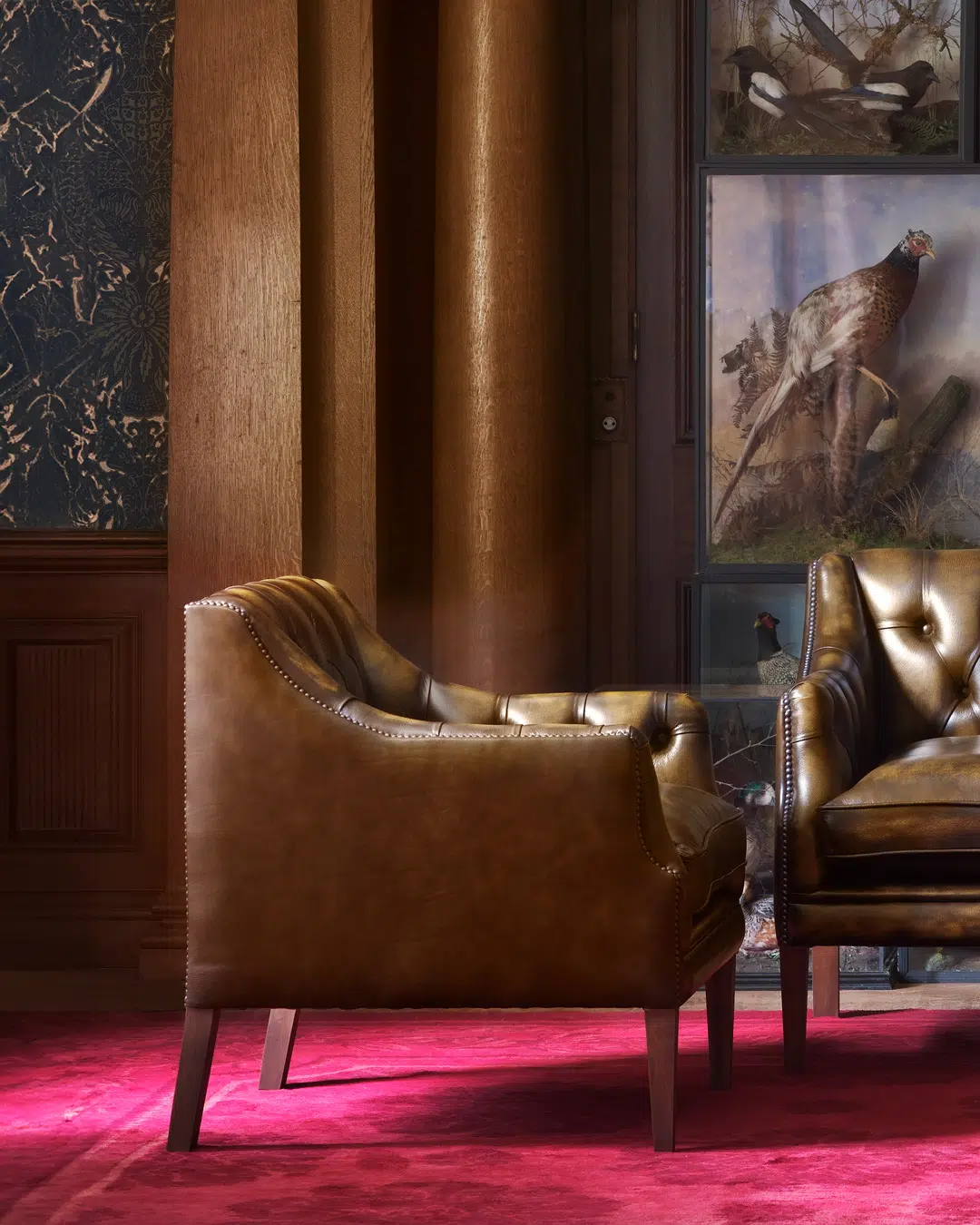
Benjamin
Slender scallop-shaped arms with a touch of graceful flair

David Hume
Tufted seating with the artistry of design and craftsmanship
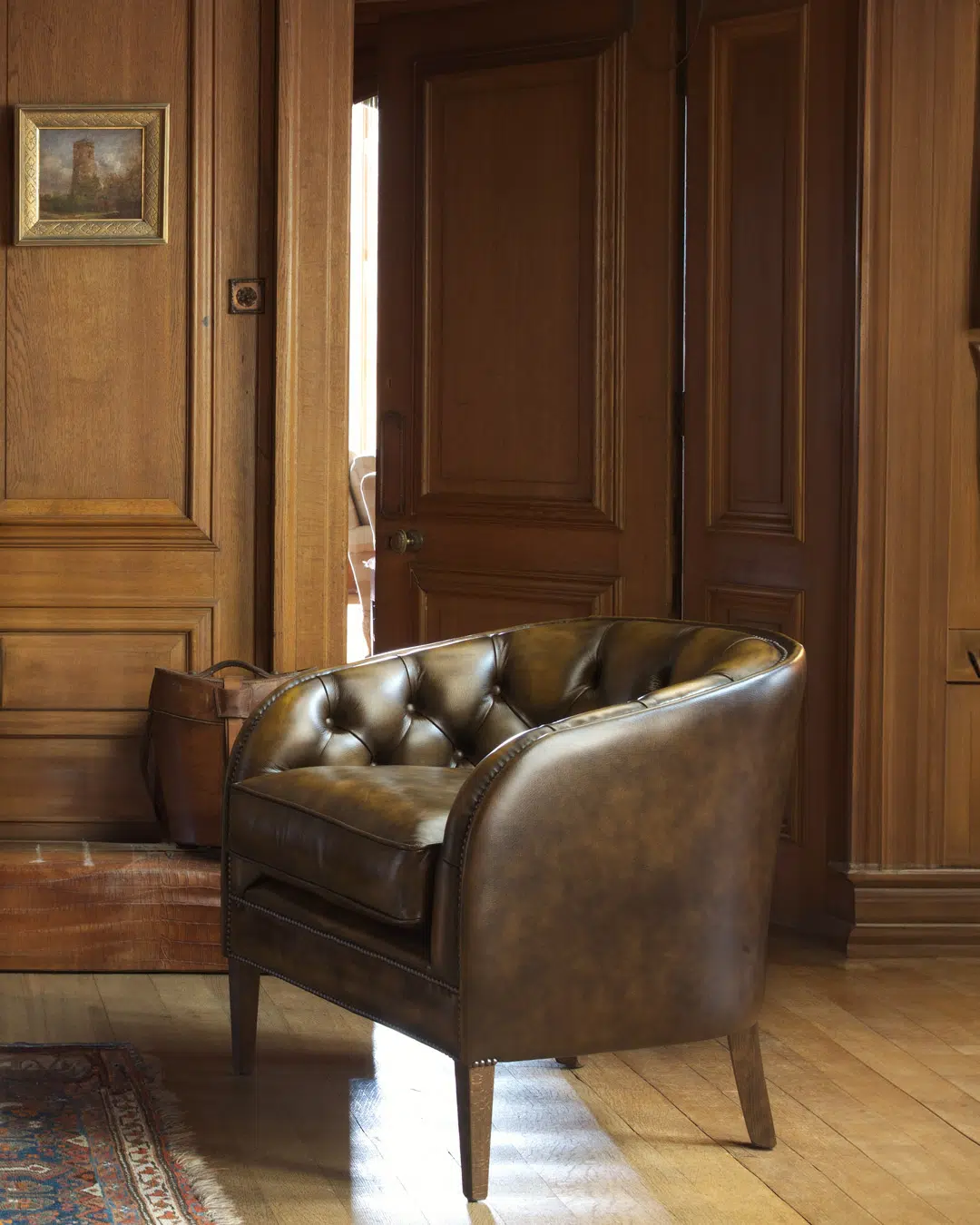
Tobias
Gently curving with a subtle roundness
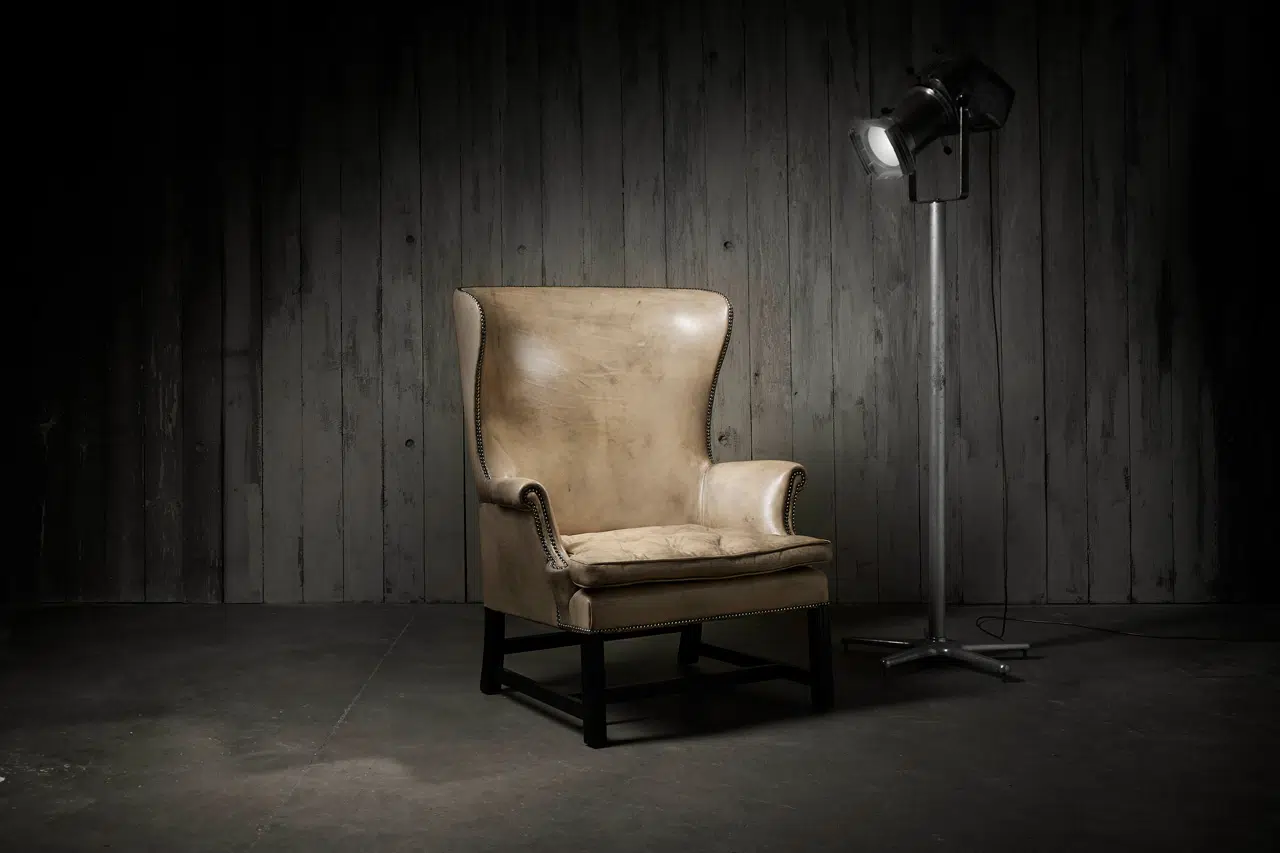
Georgian Curve
Impressive proportions with a beautifully crafted curved back
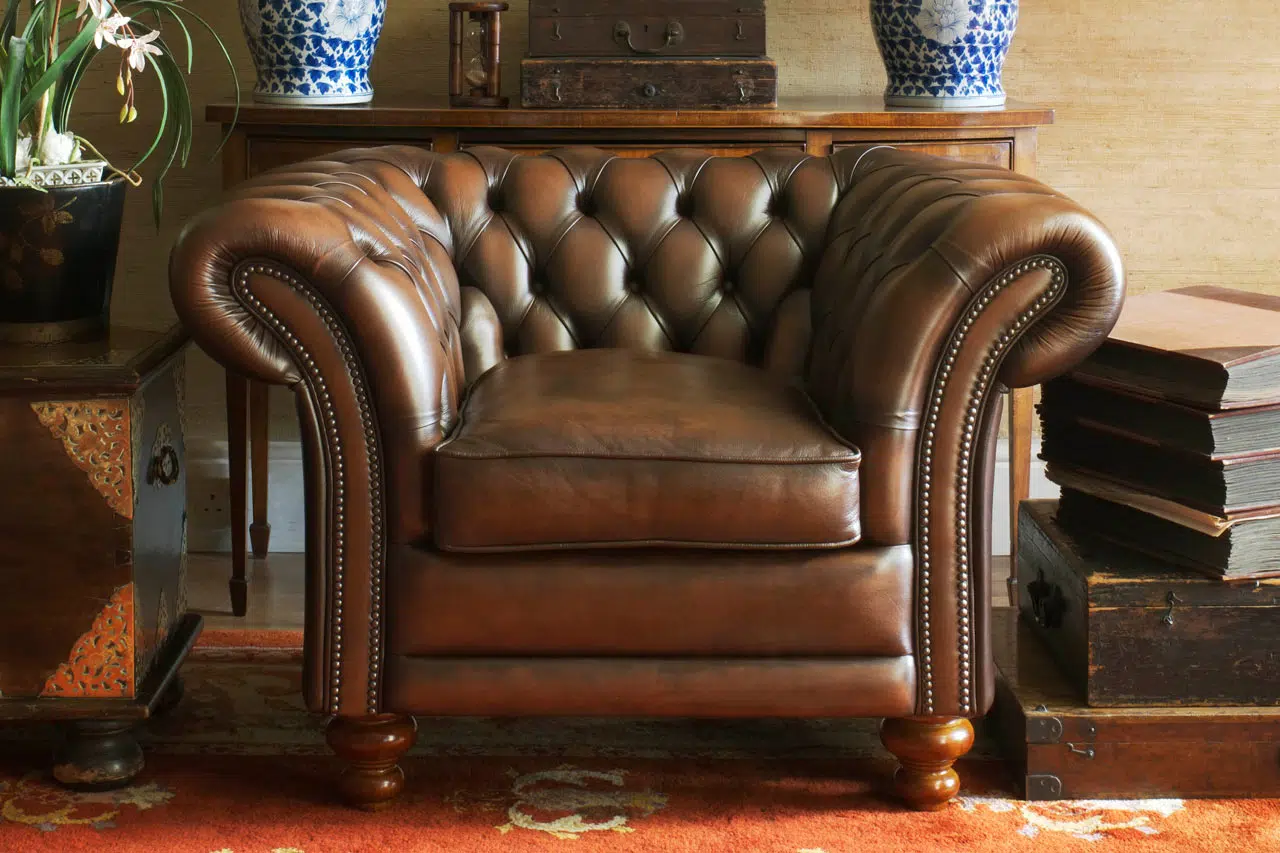
Kingston
Elegant proportions with gracefully curved arms
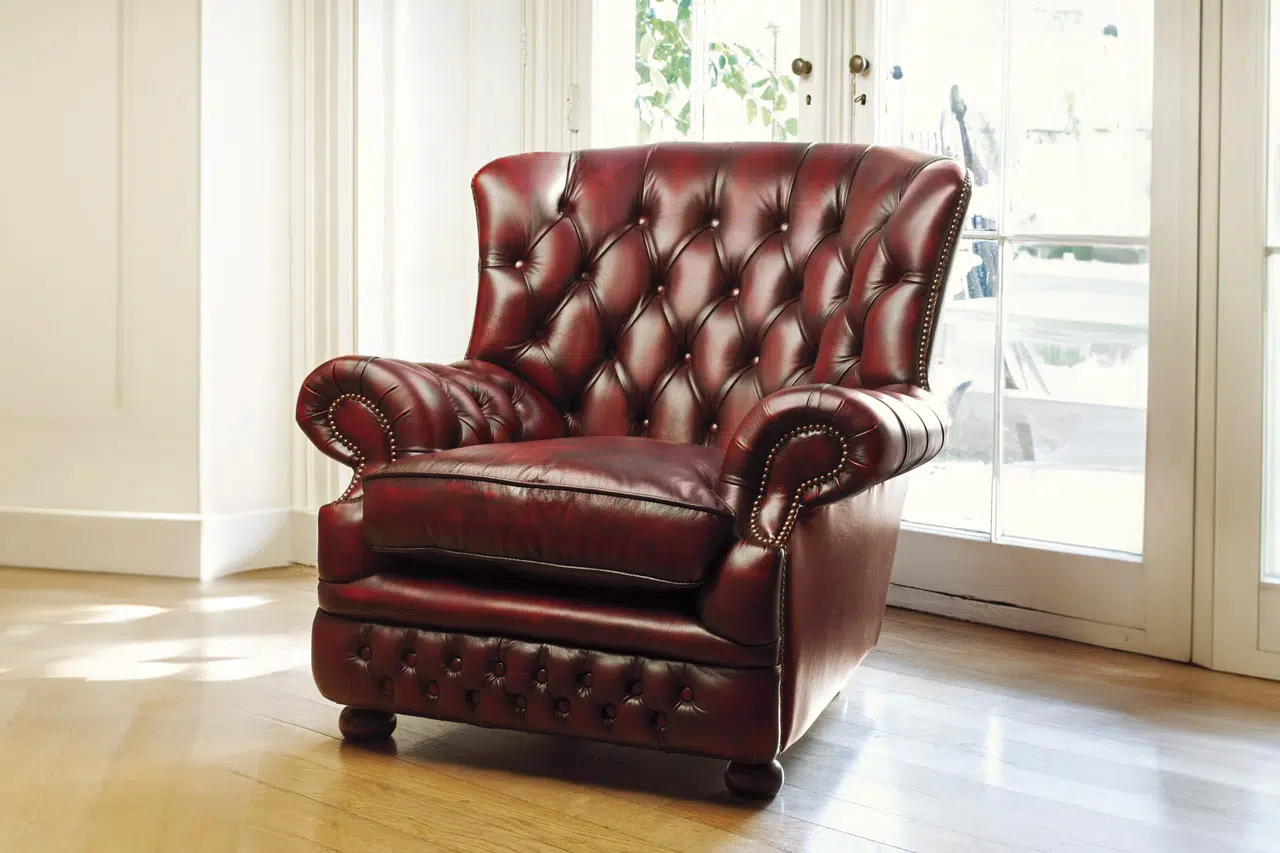
Howland
A wonderfully charismatic model with dependable comfort

Mustang
Capturing the spirit of a mid-20th-century American car seat

Porters
A truly unique and captivating statement piece
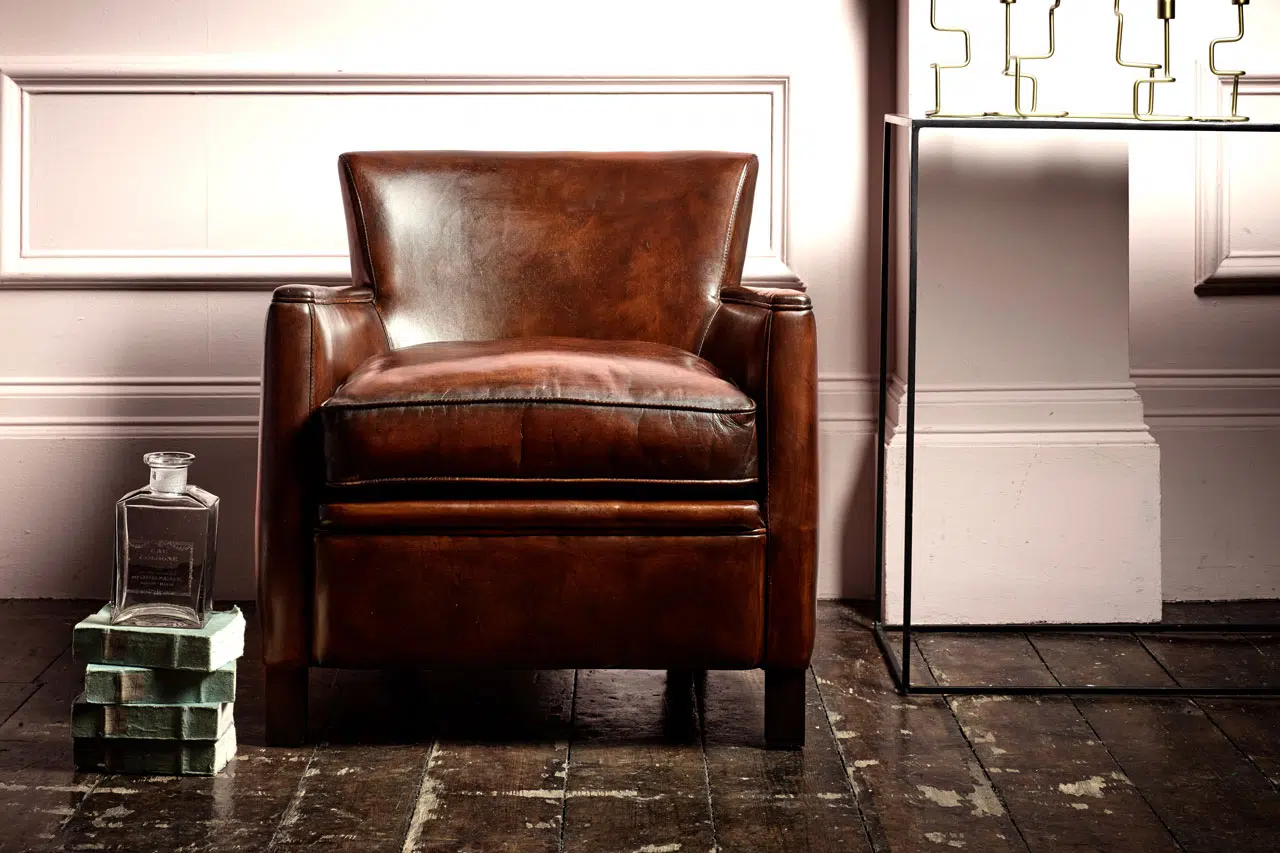
Kettle
Geometric features that accentuate the modernist era
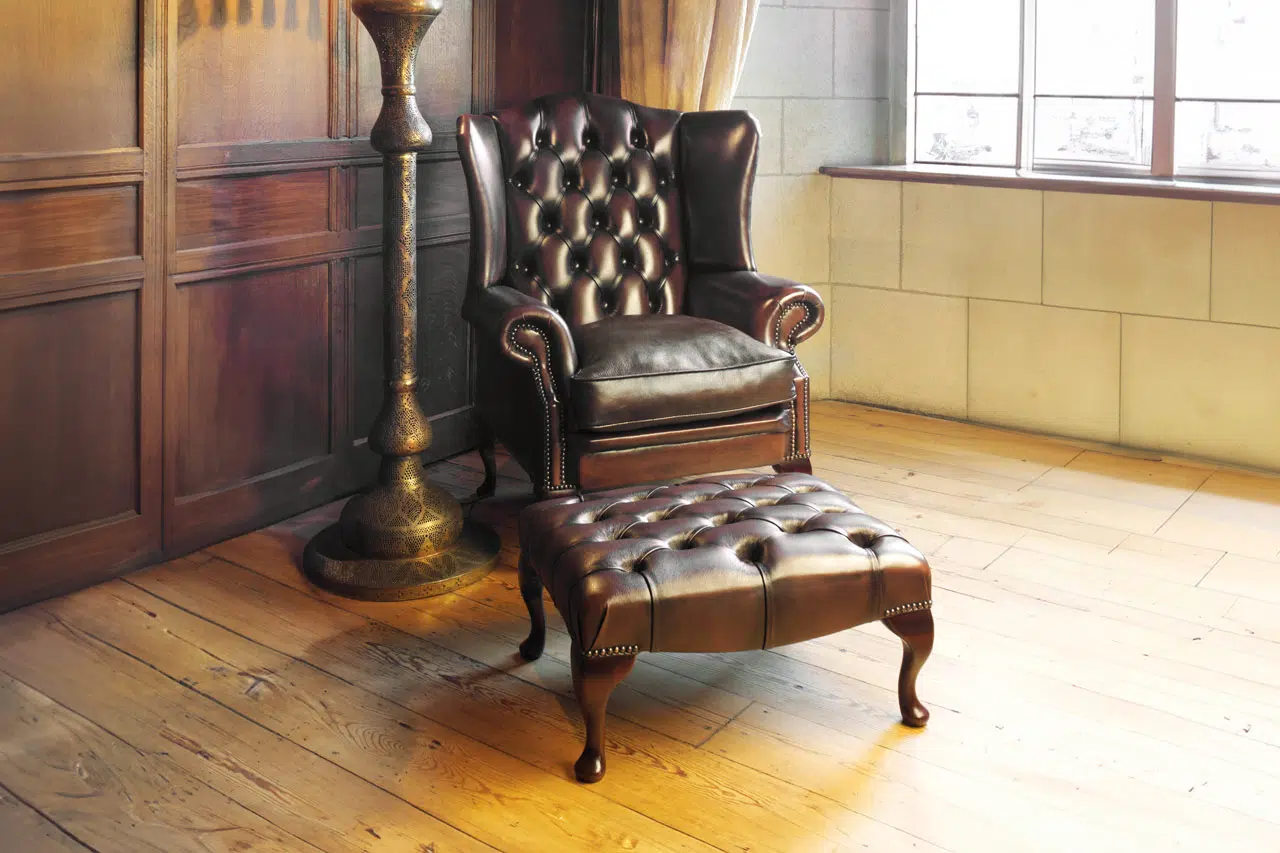
Stamford
The most beloved and familiar of Chesterfield designs

Walrus
Distinctive aesthetics reflecting a 1920s design

Sloop
Smooth and graceful contours with a feeling harmony
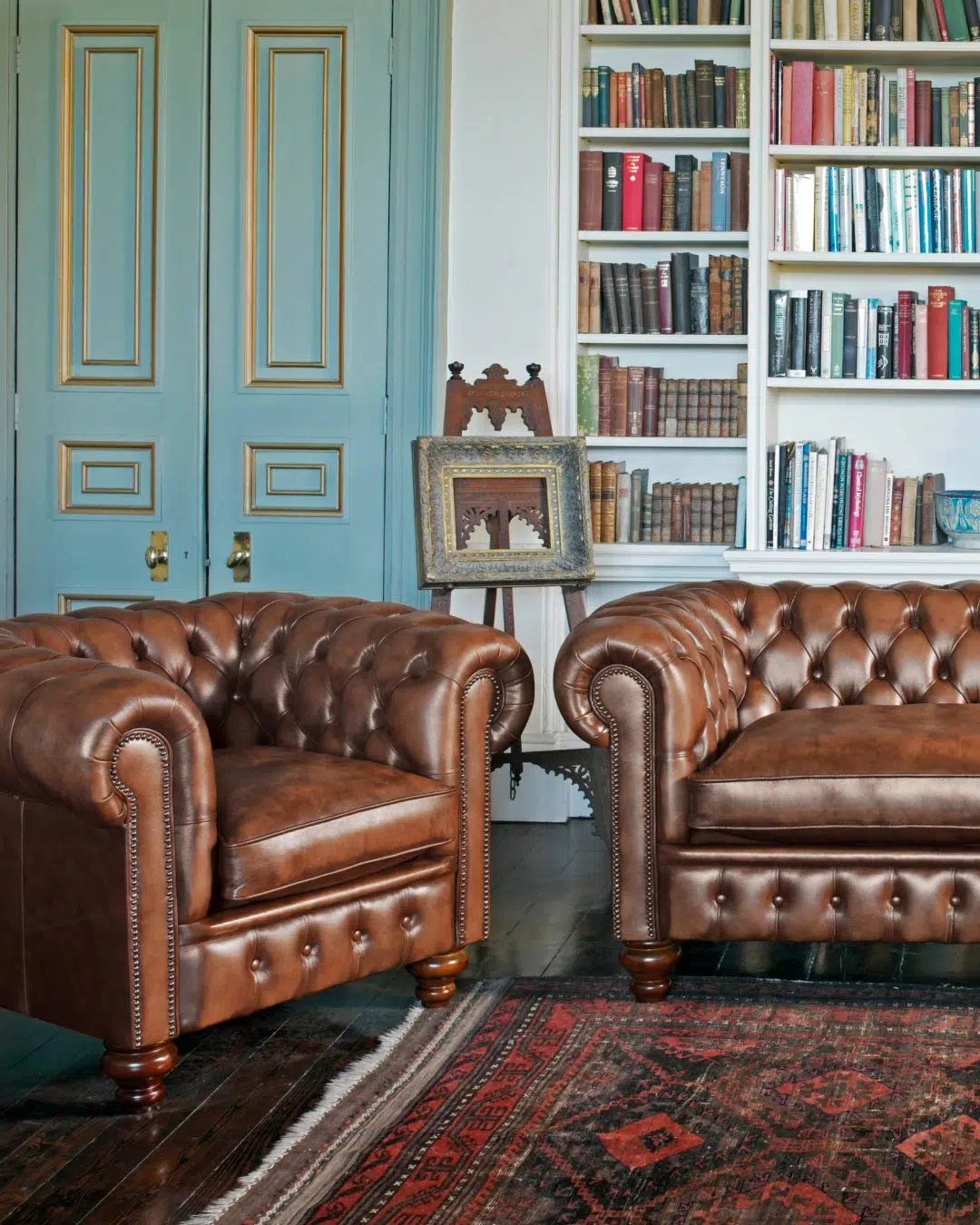
Cromwell
A contemporary interpretation of the timeless chesterfield
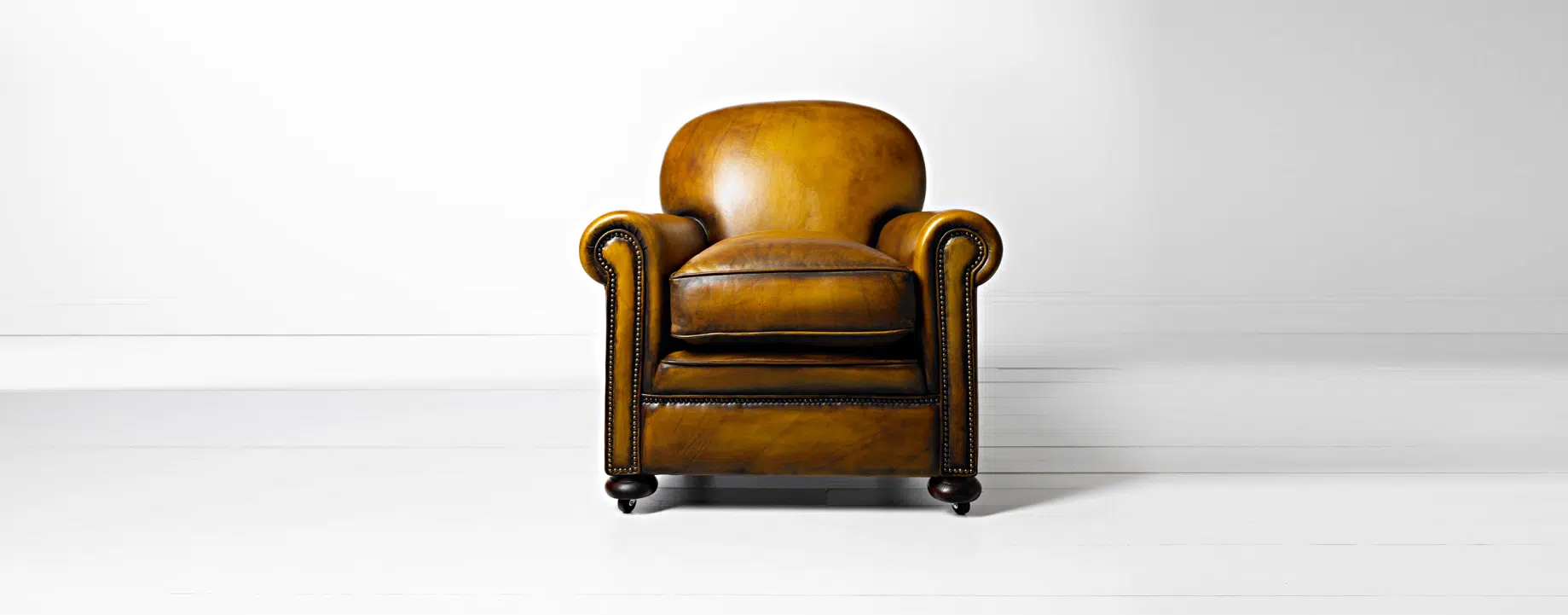
Deco
Eelegance and captivating charm from the Georgian era
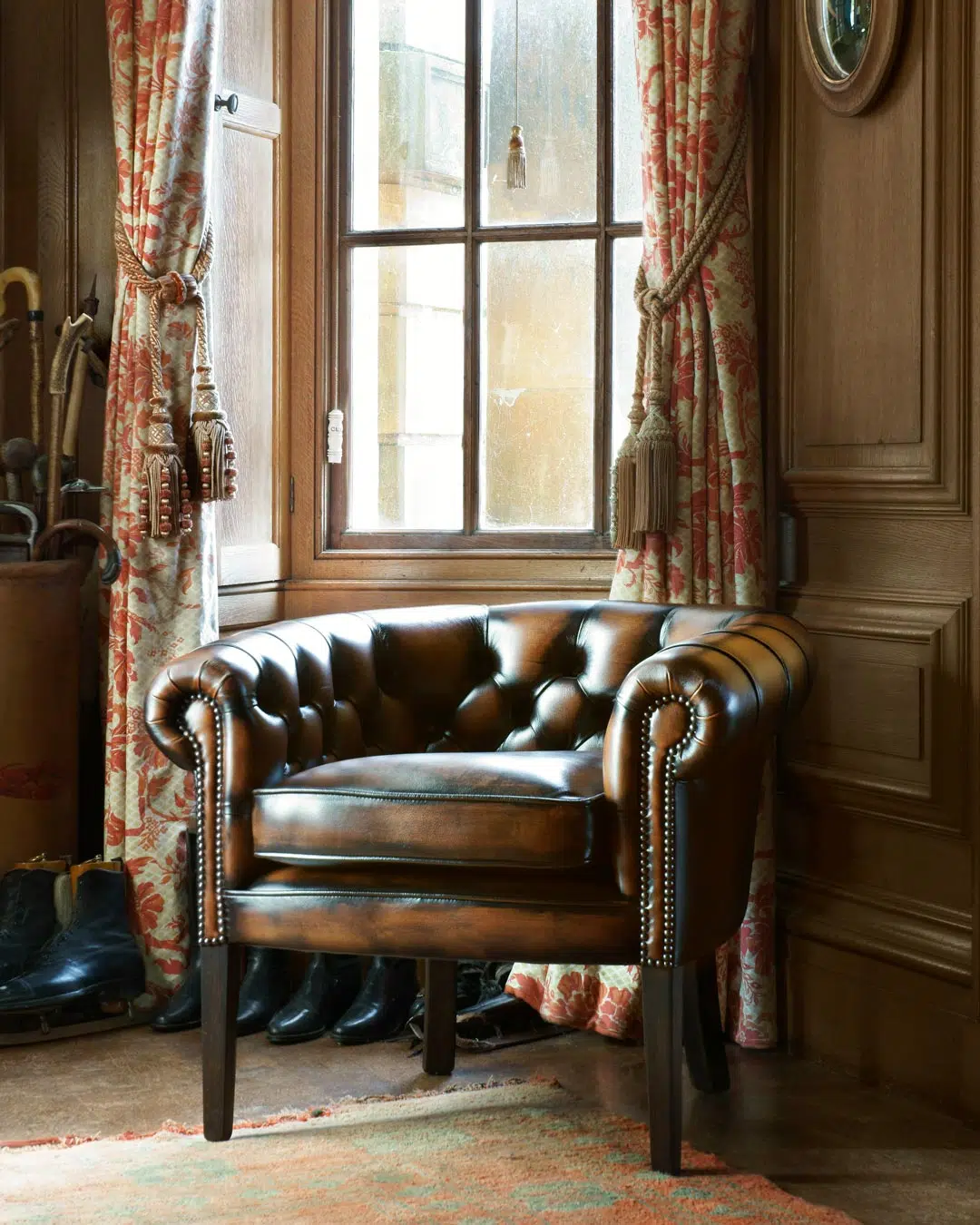
Victoria
Unpretentious charm with a compact linear design
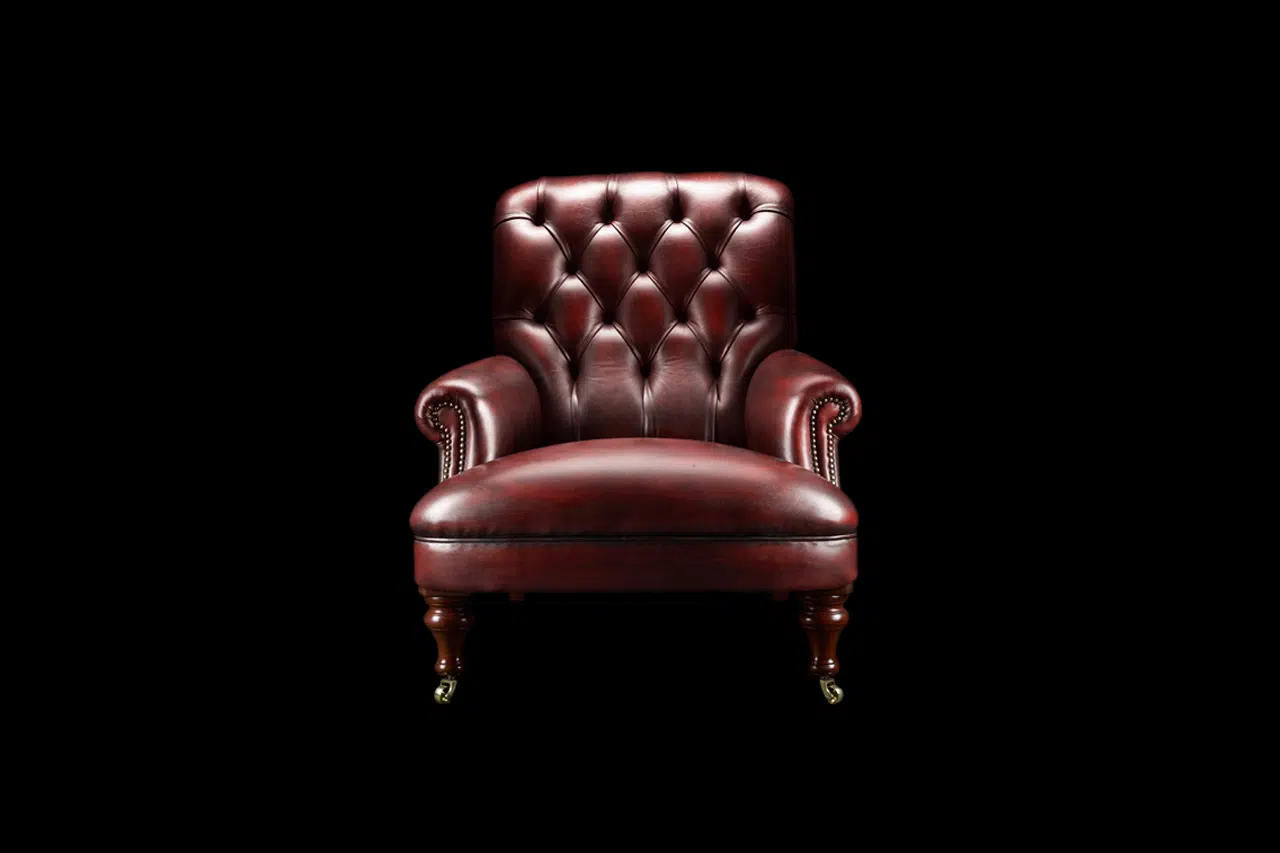
Havelock Ellis
A reading chair with sleek contours and padded armrests
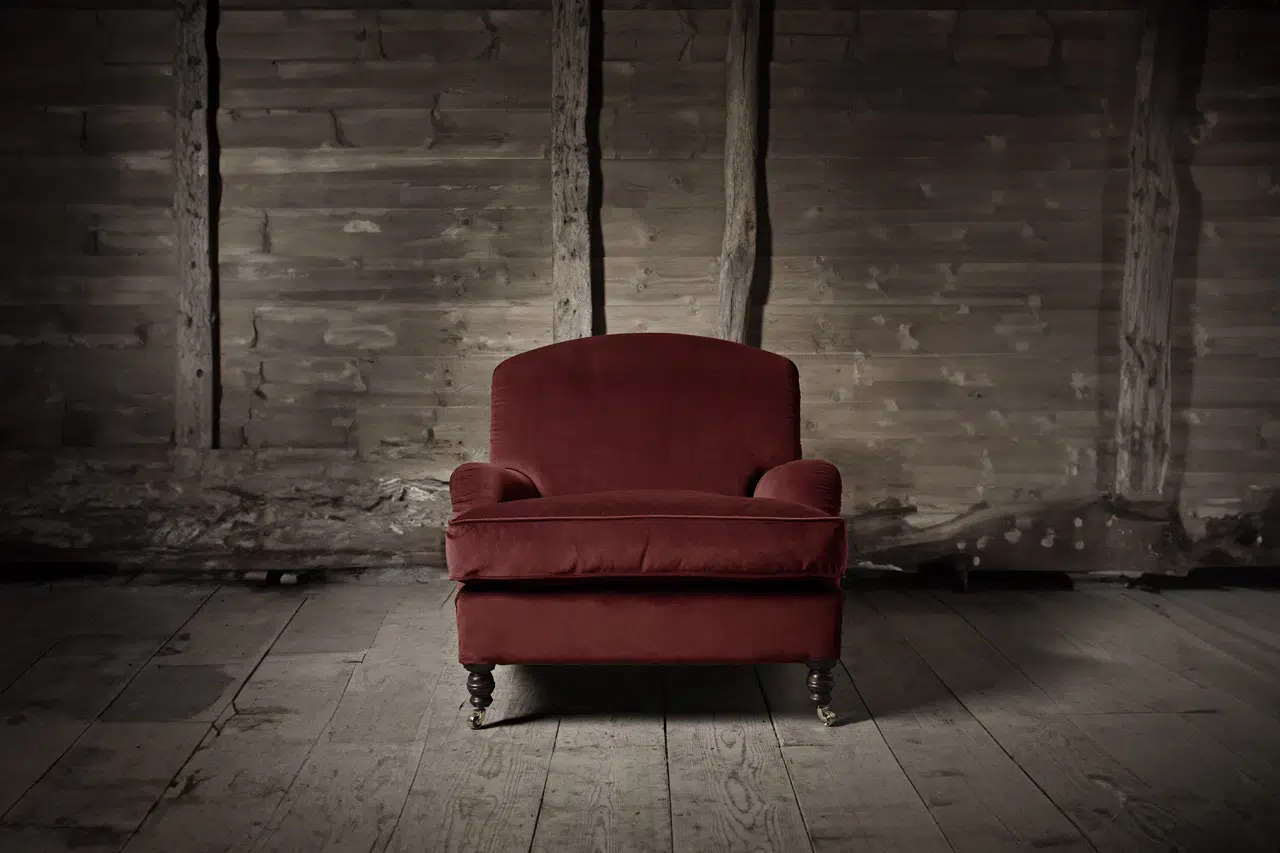
John Bentley
A harmonious blend of delicacy and graceful design
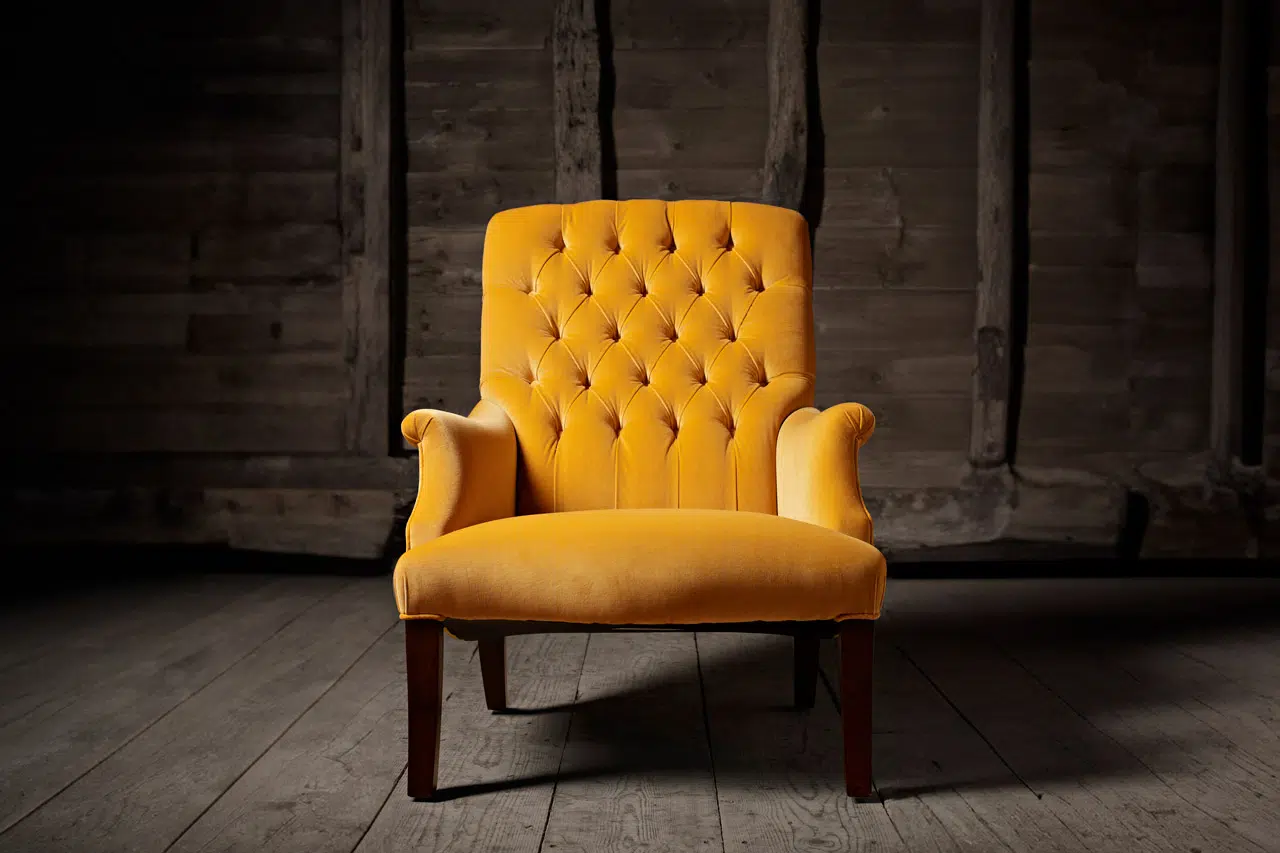
William Spooner
A graceful silhouette with understated elegance
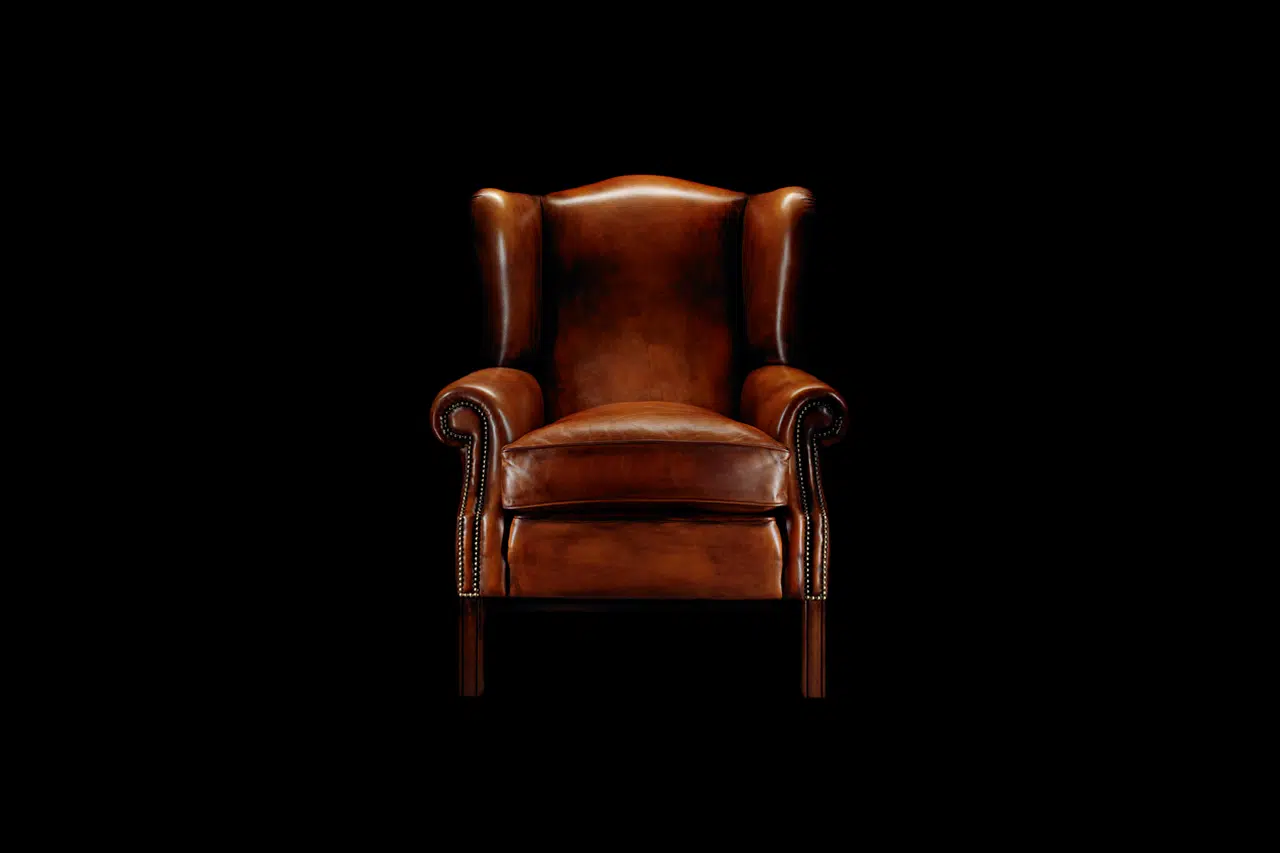
Henry Thoreau
An elegant design built for both comfort and style

Deco Diner
Geometric curves accentuated by wraparound veneer banding
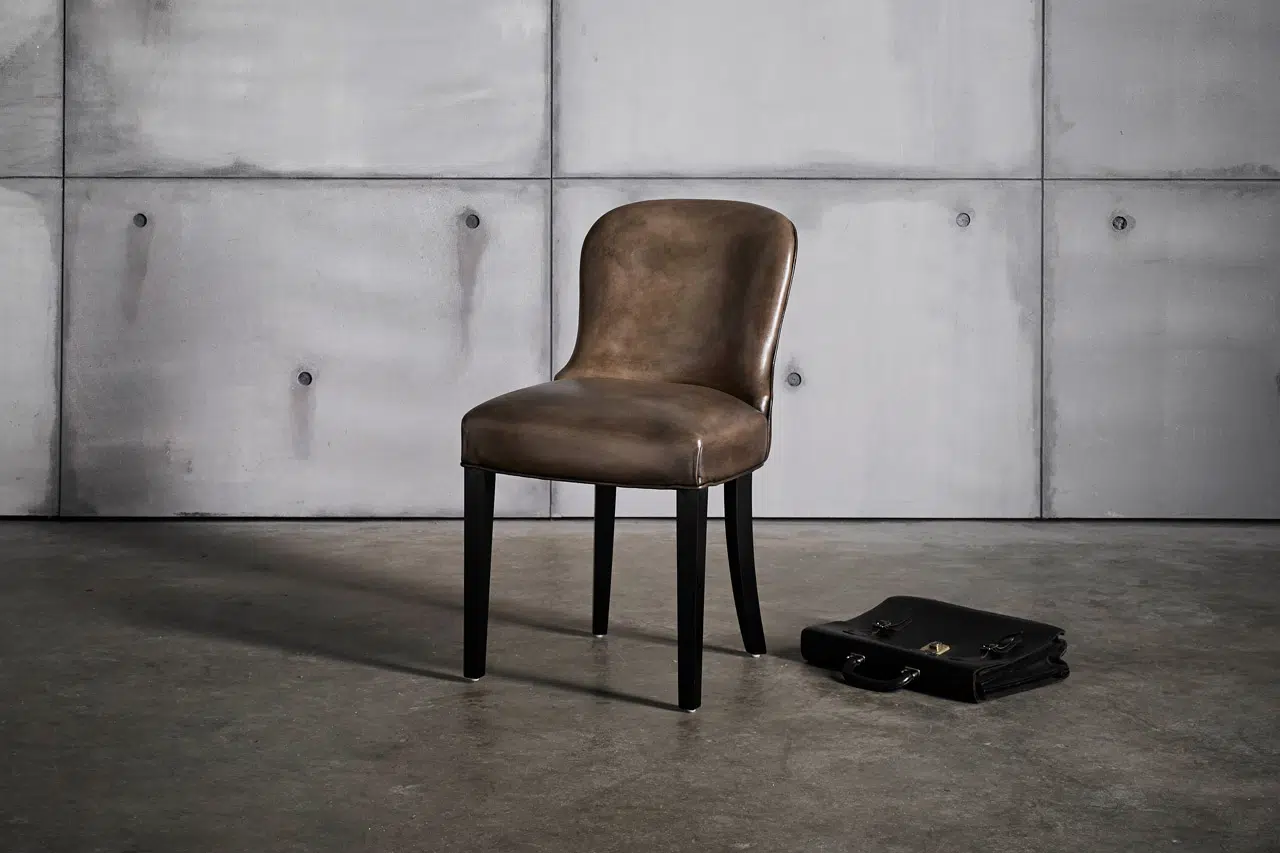
Diner
A backrest form reminiscent of a gently curved spoon
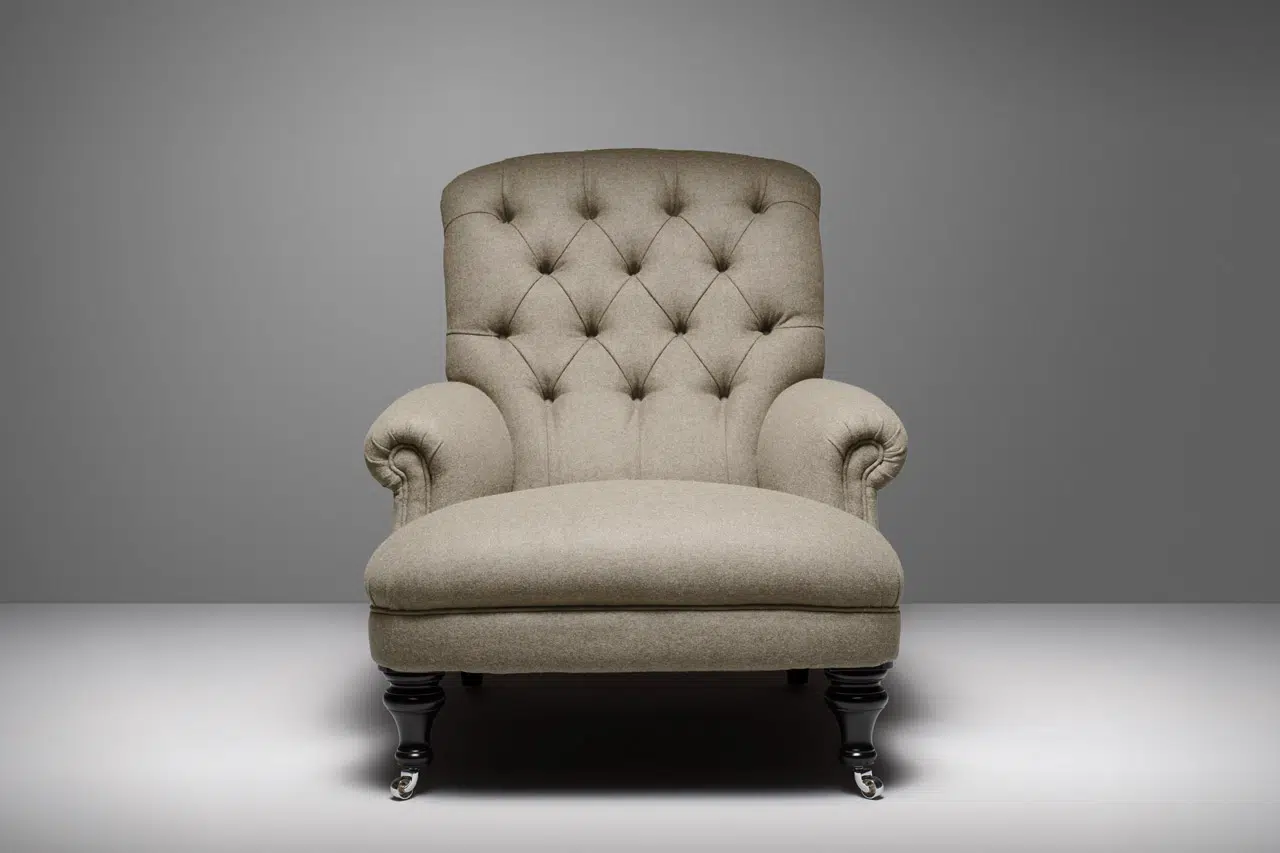
Havelock Ellis
A reading chair with sleek contours and padded armrests
James Boswell
A graceful dance of lines with intertwining angles
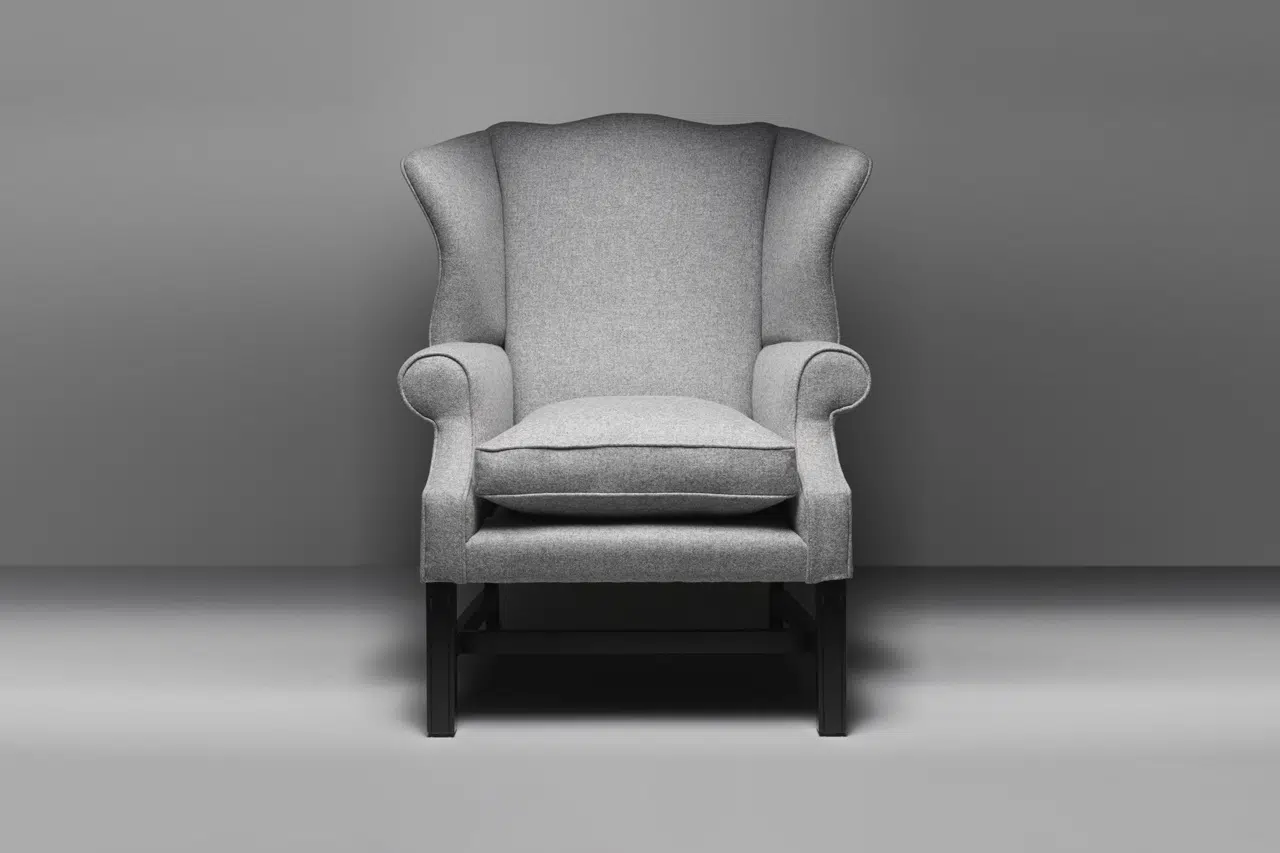
Samuel Johnson
A sense of deep seat amplitude and back support softness
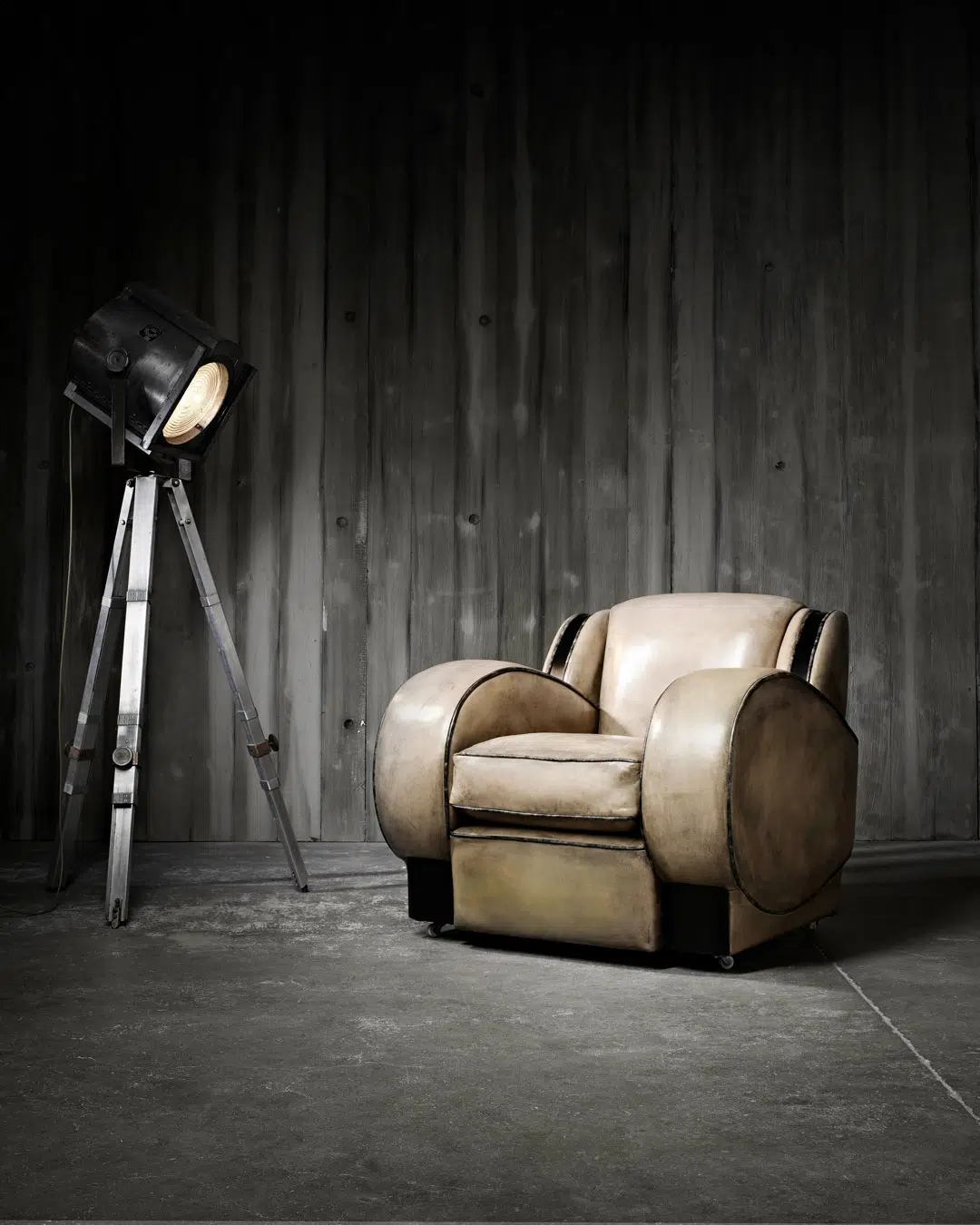
Tank
An opulent bucket seat design epitomizing the art deco era

John Stuart Mill
Generously proportioned with amplified back support
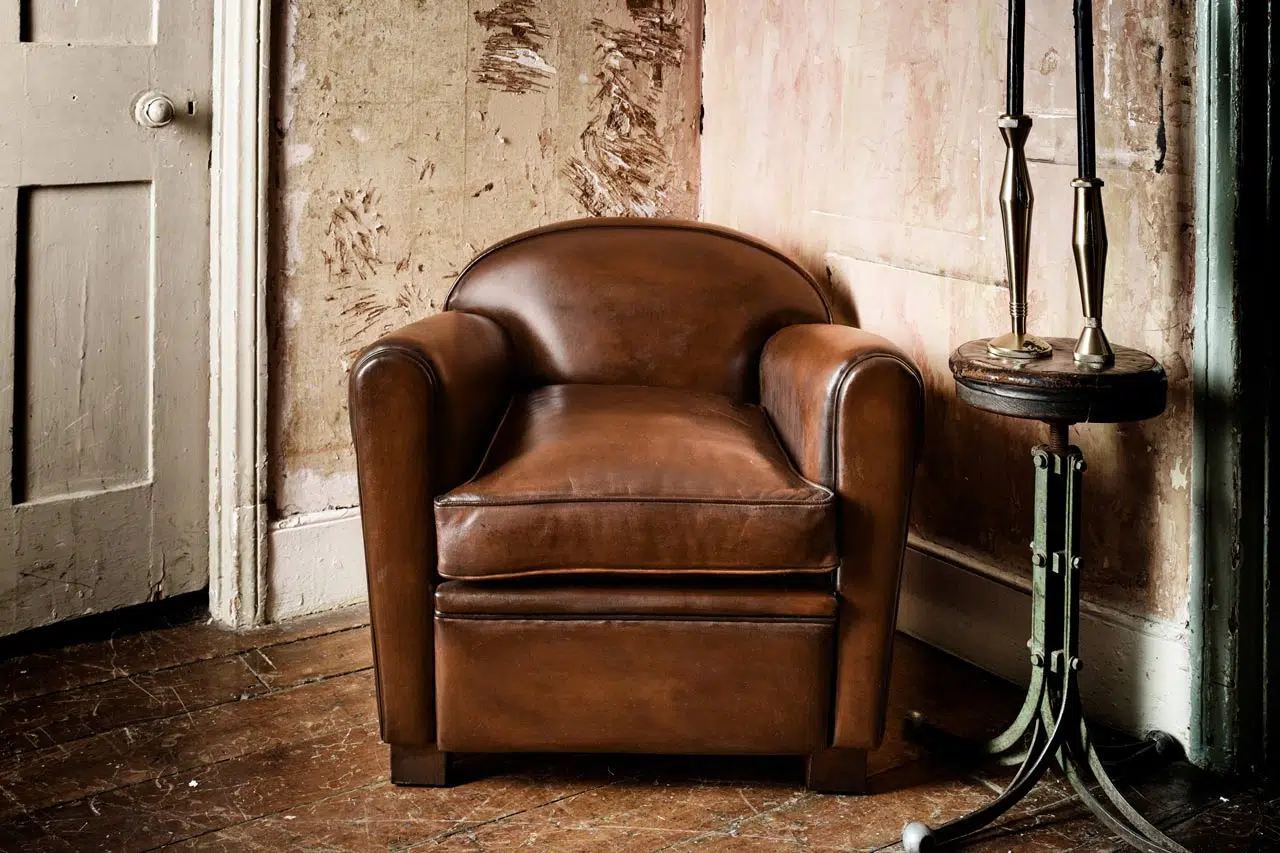
Button
A compact and contoured form with fluted armrests

Dali
Clean and crisp lines with an emphasis on form and elegance

Charles Churchill
An unfussy linear sofa with a well-proportioned form
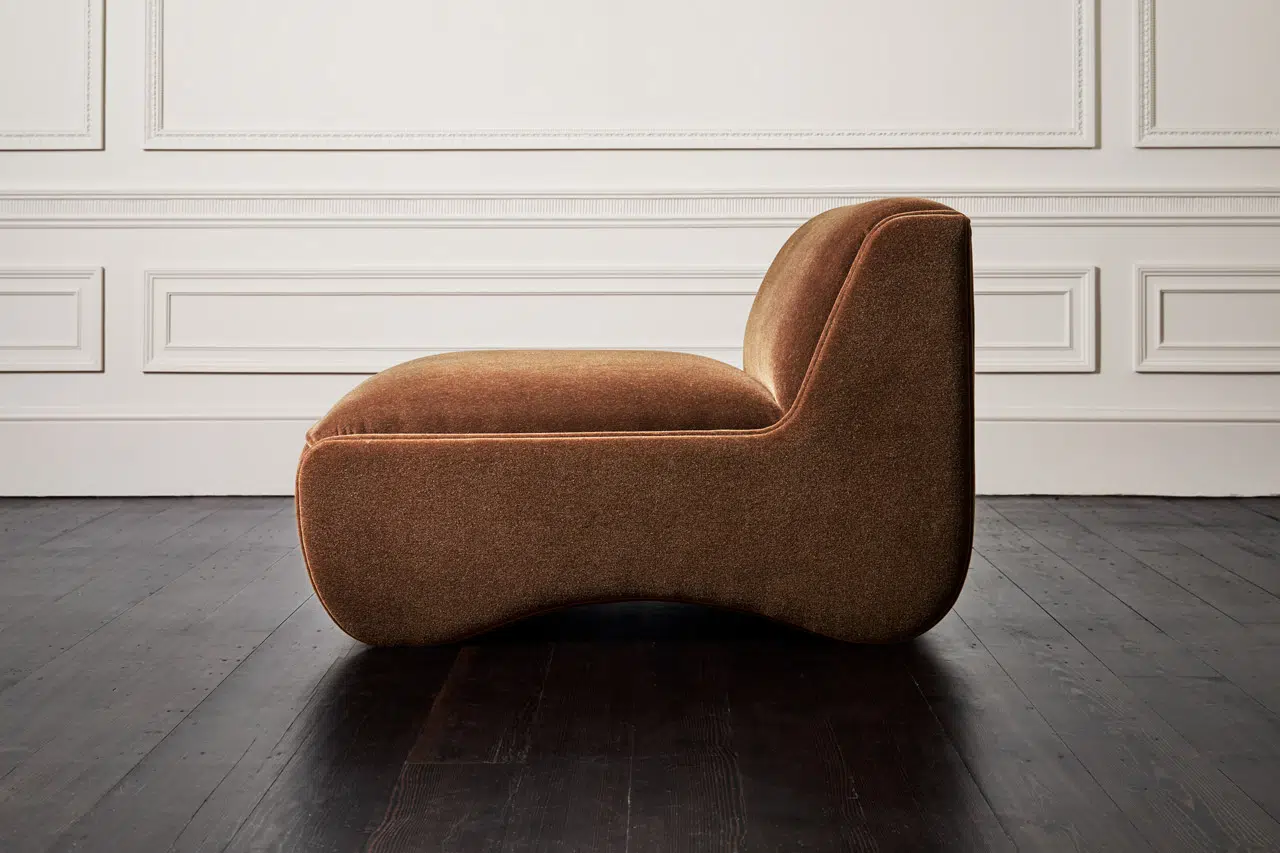
Ribble
An evolution of functional seating

Belvedere
Barrel shaped and fluted with a scalloped side profile


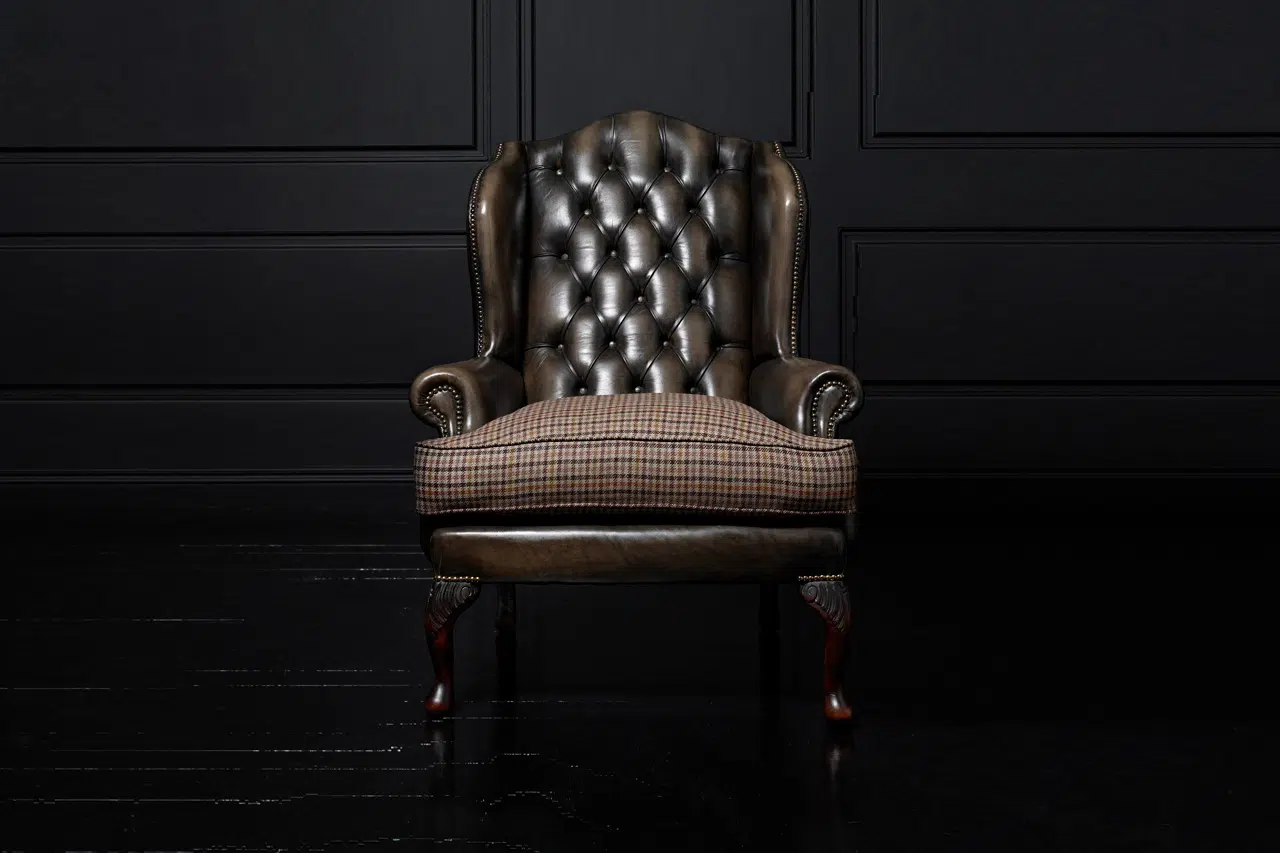

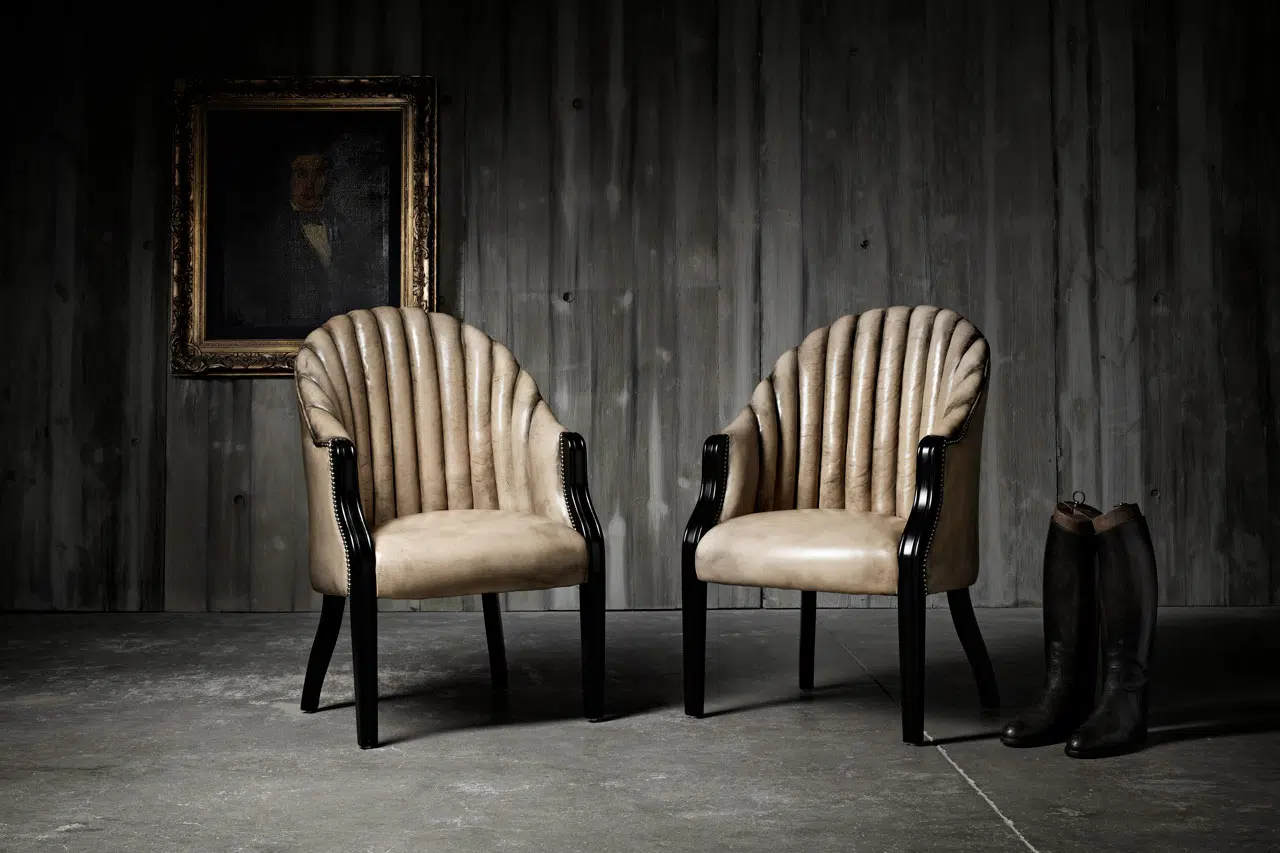
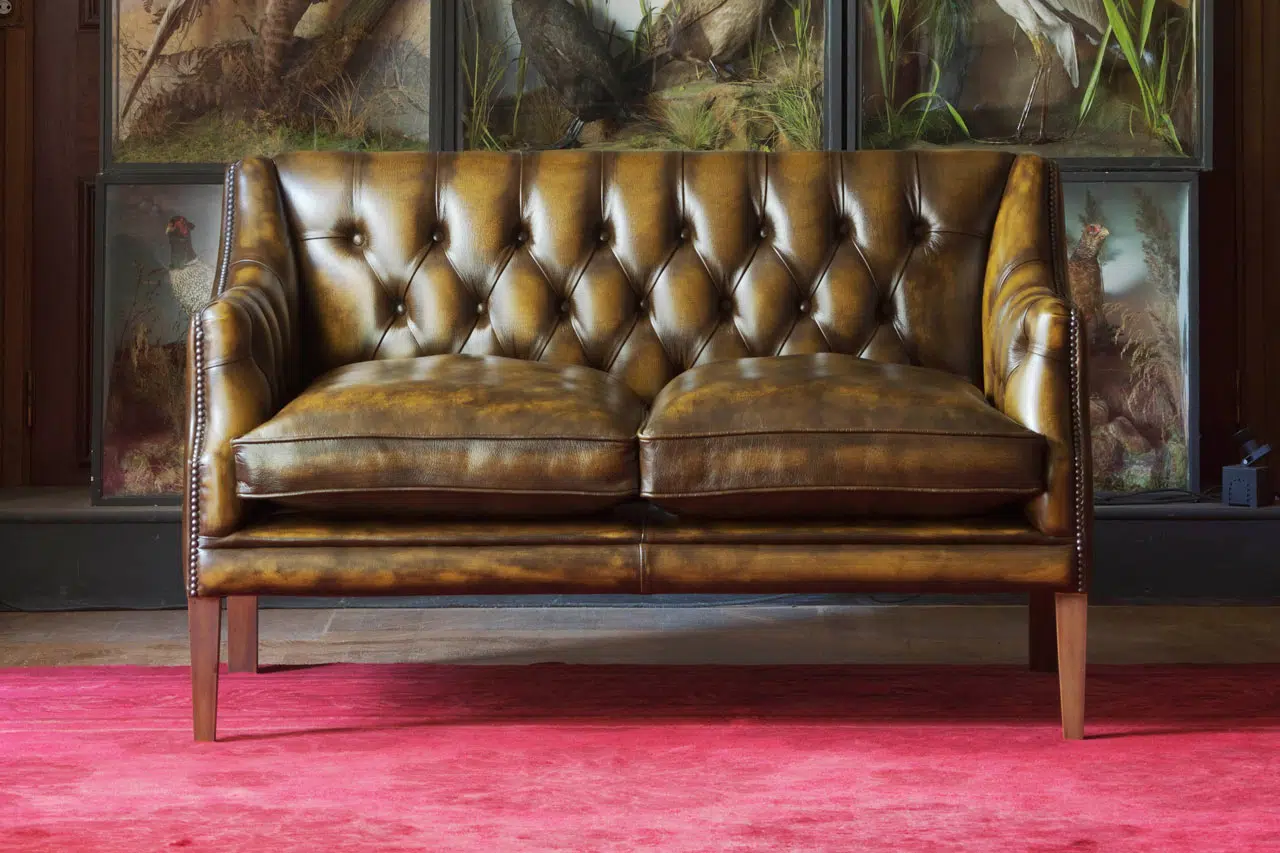
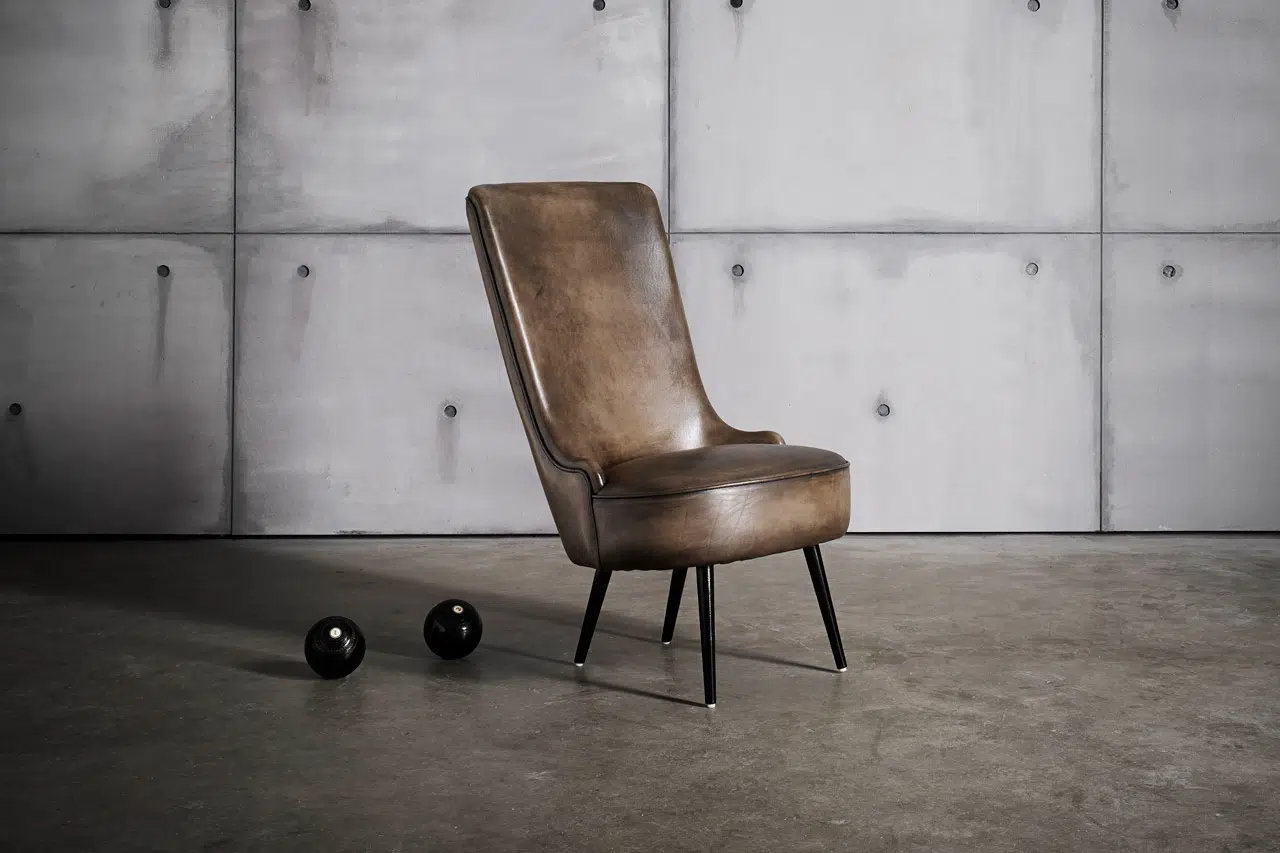
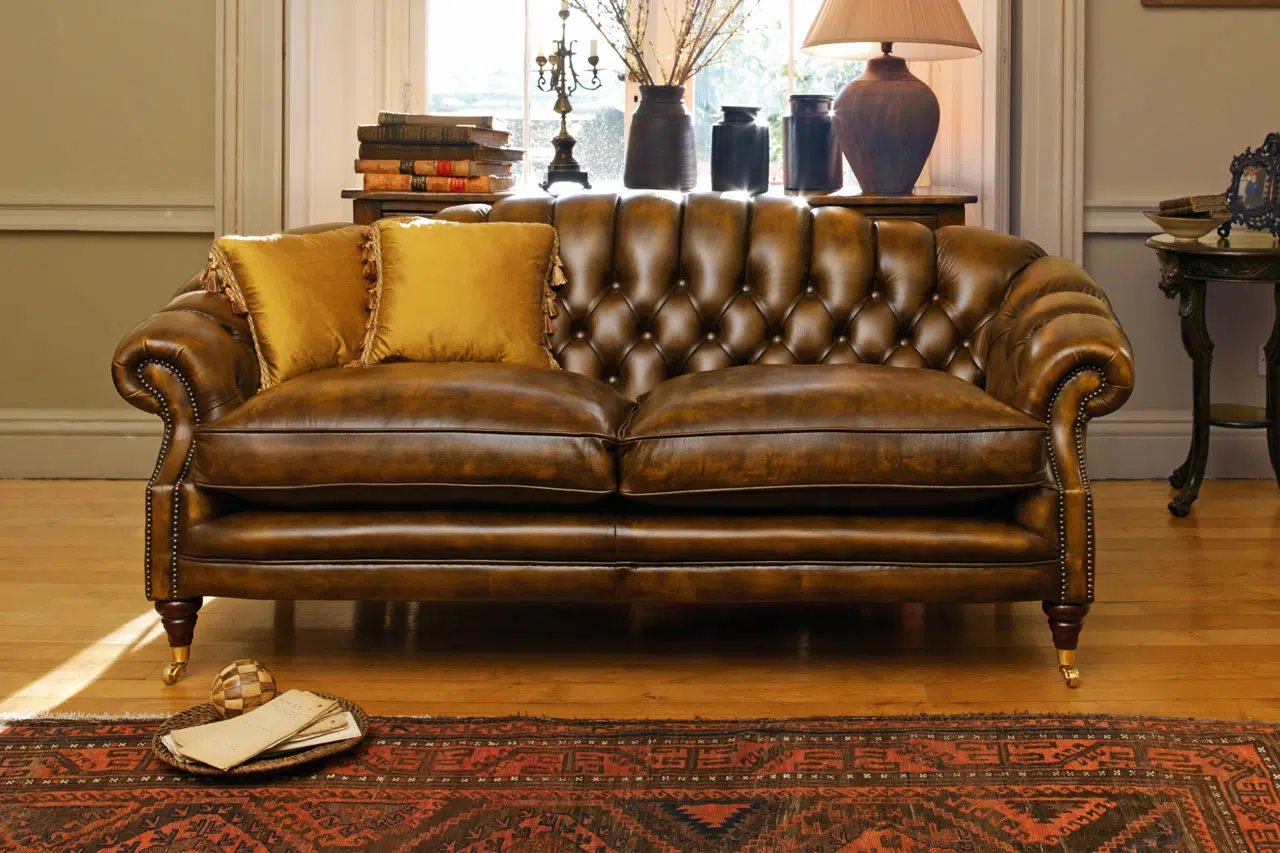
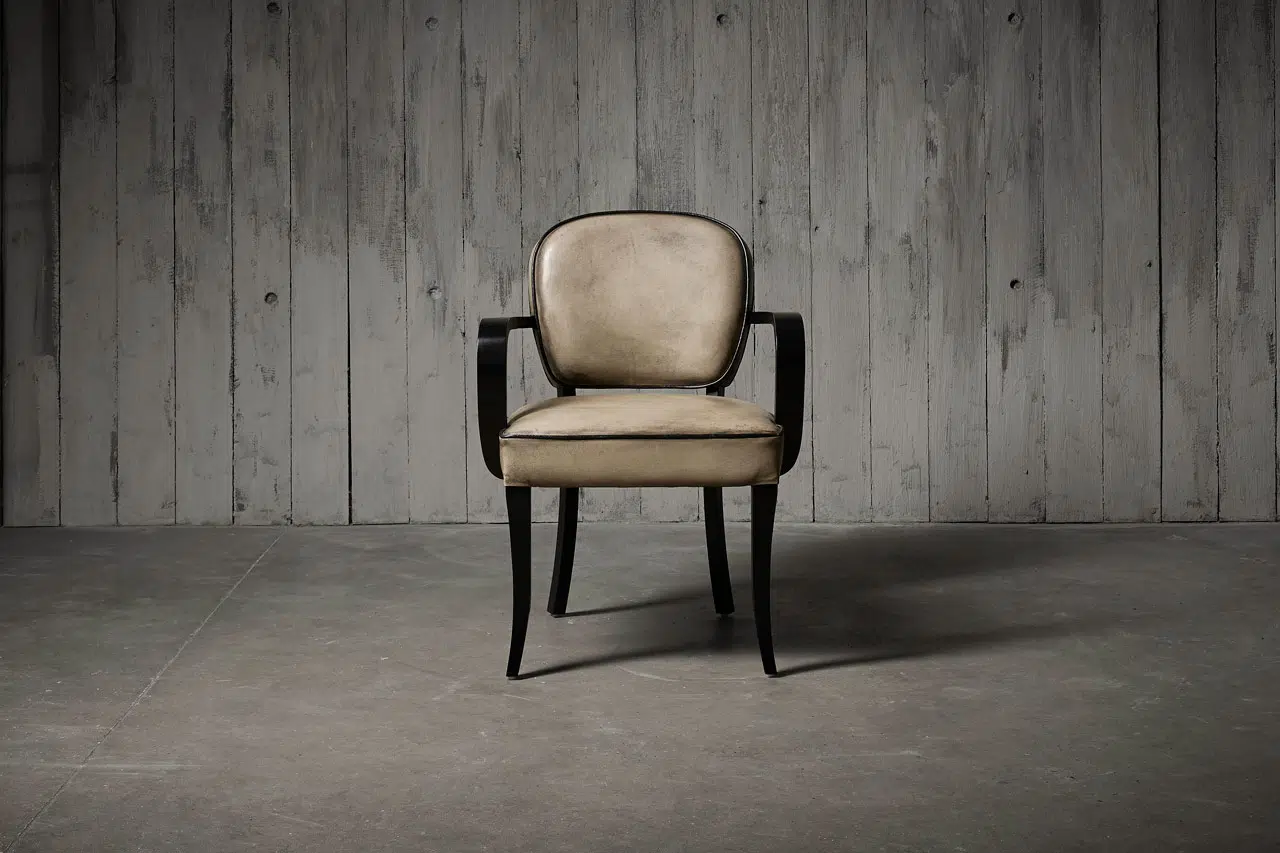

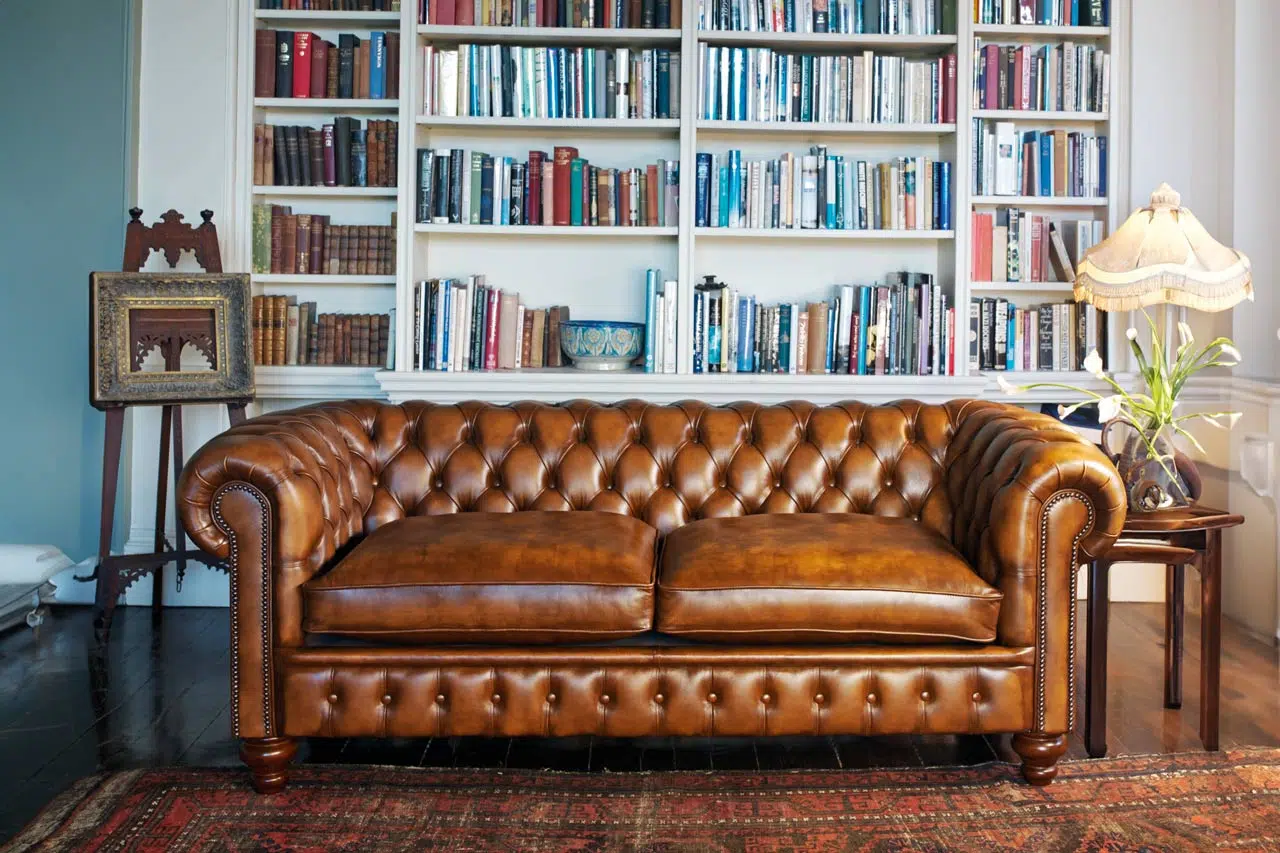

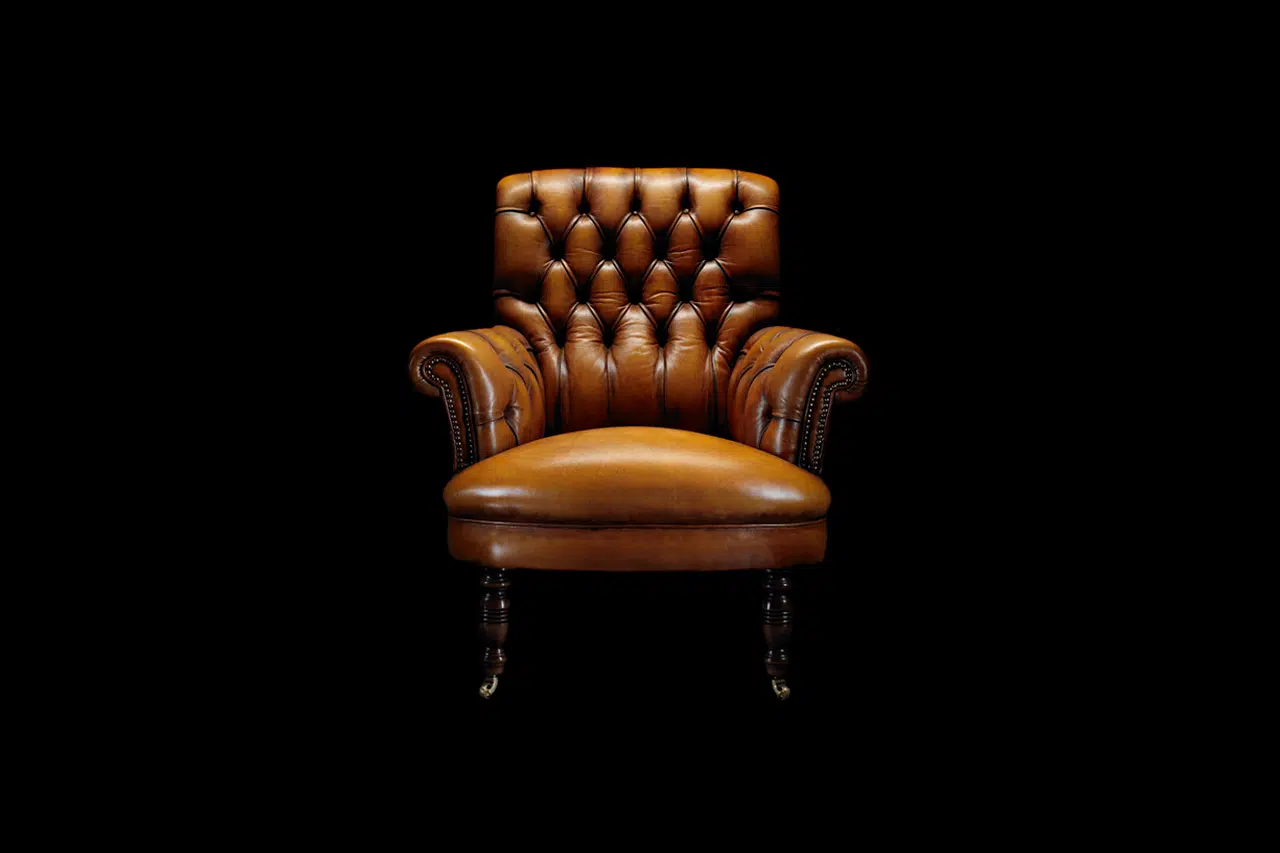
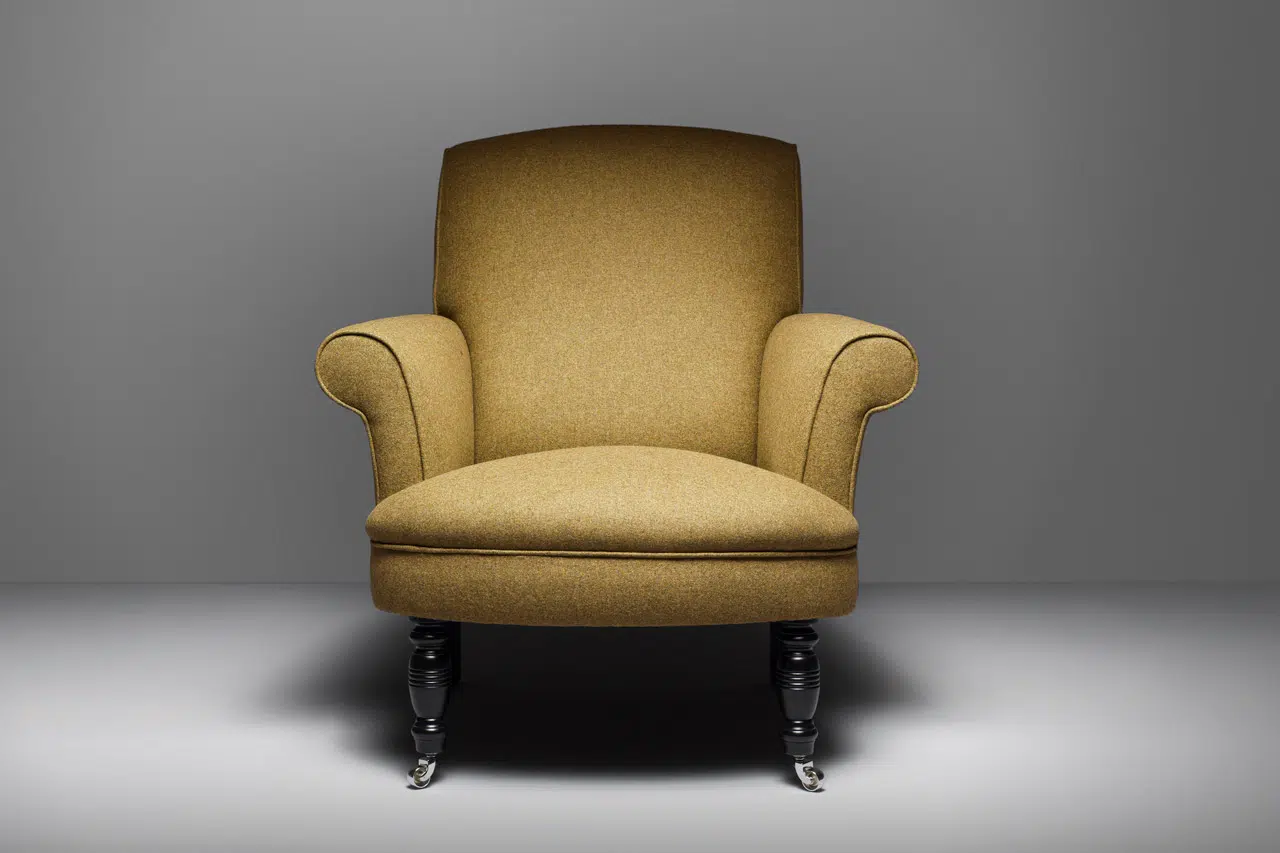

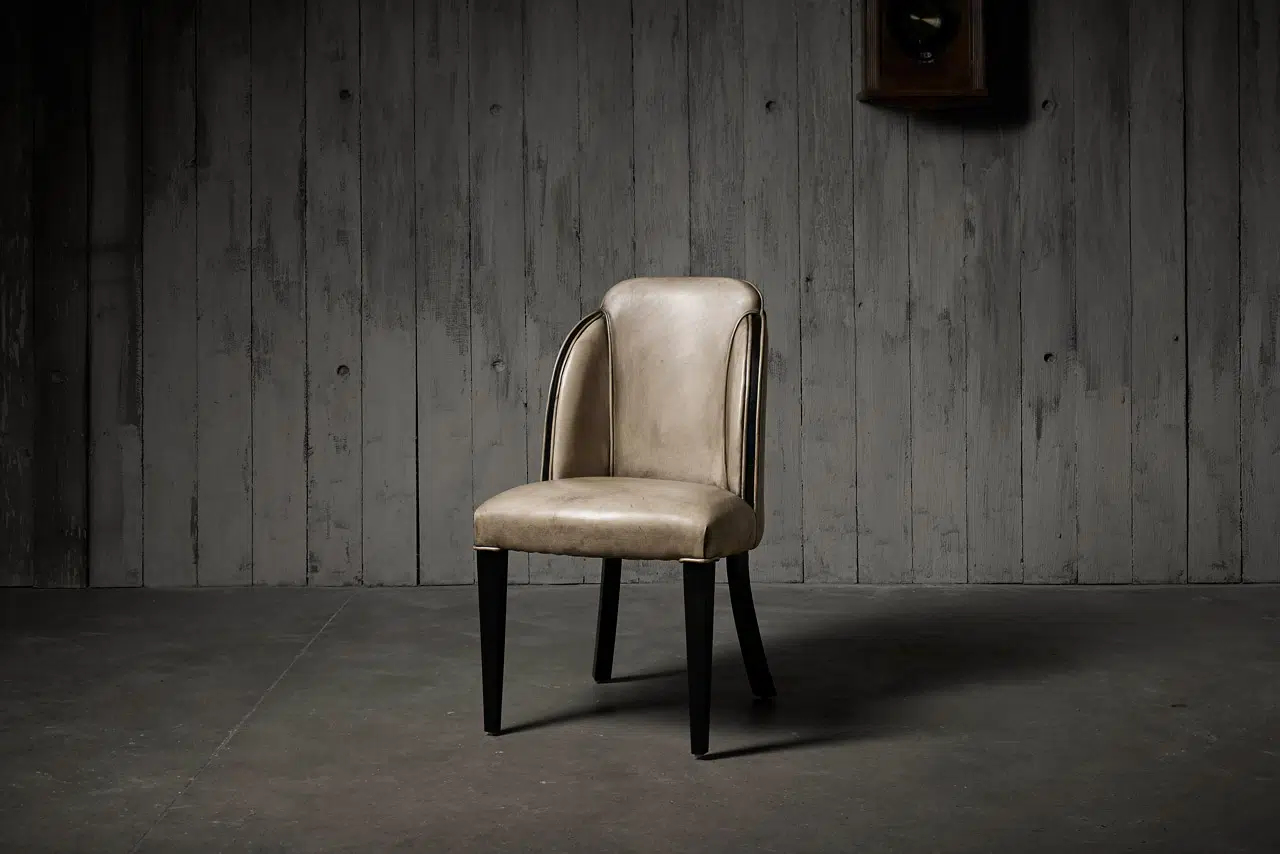
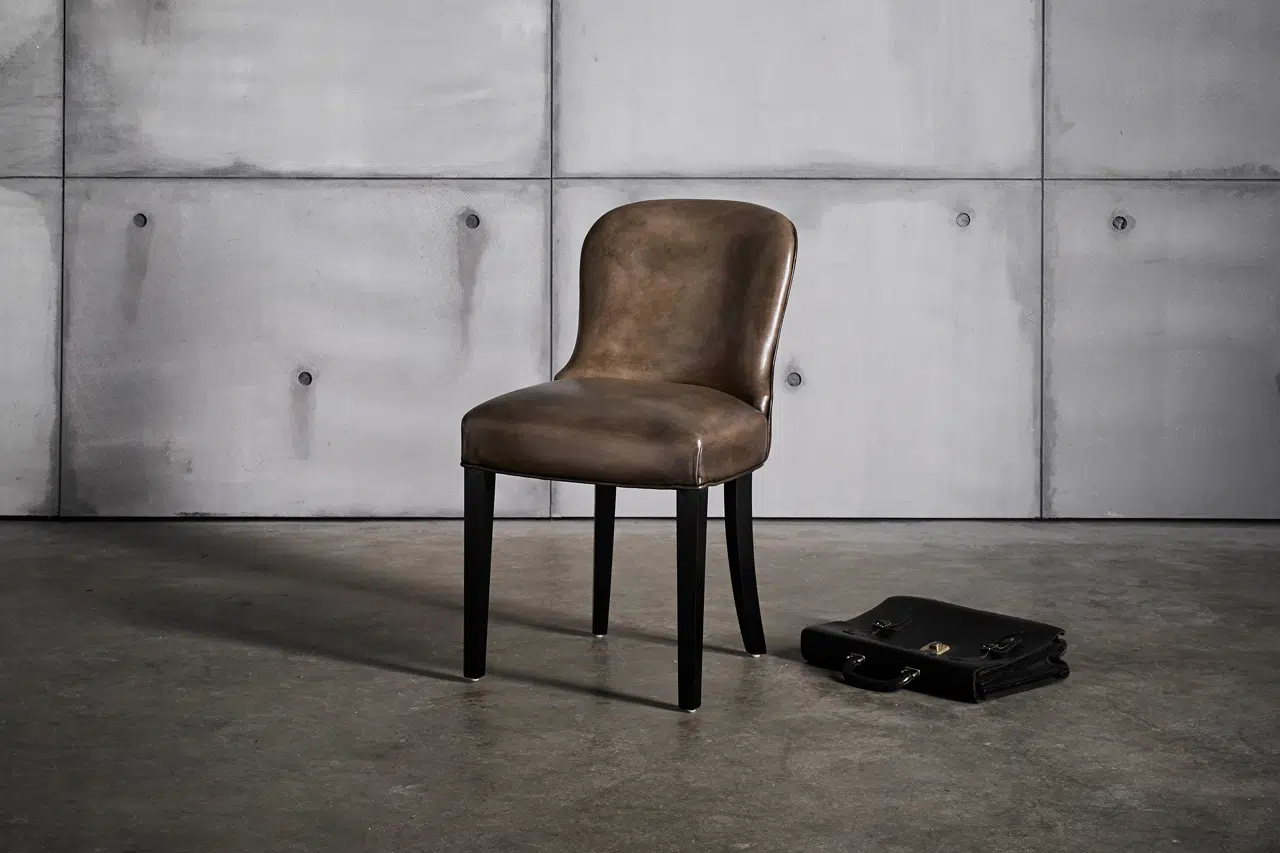
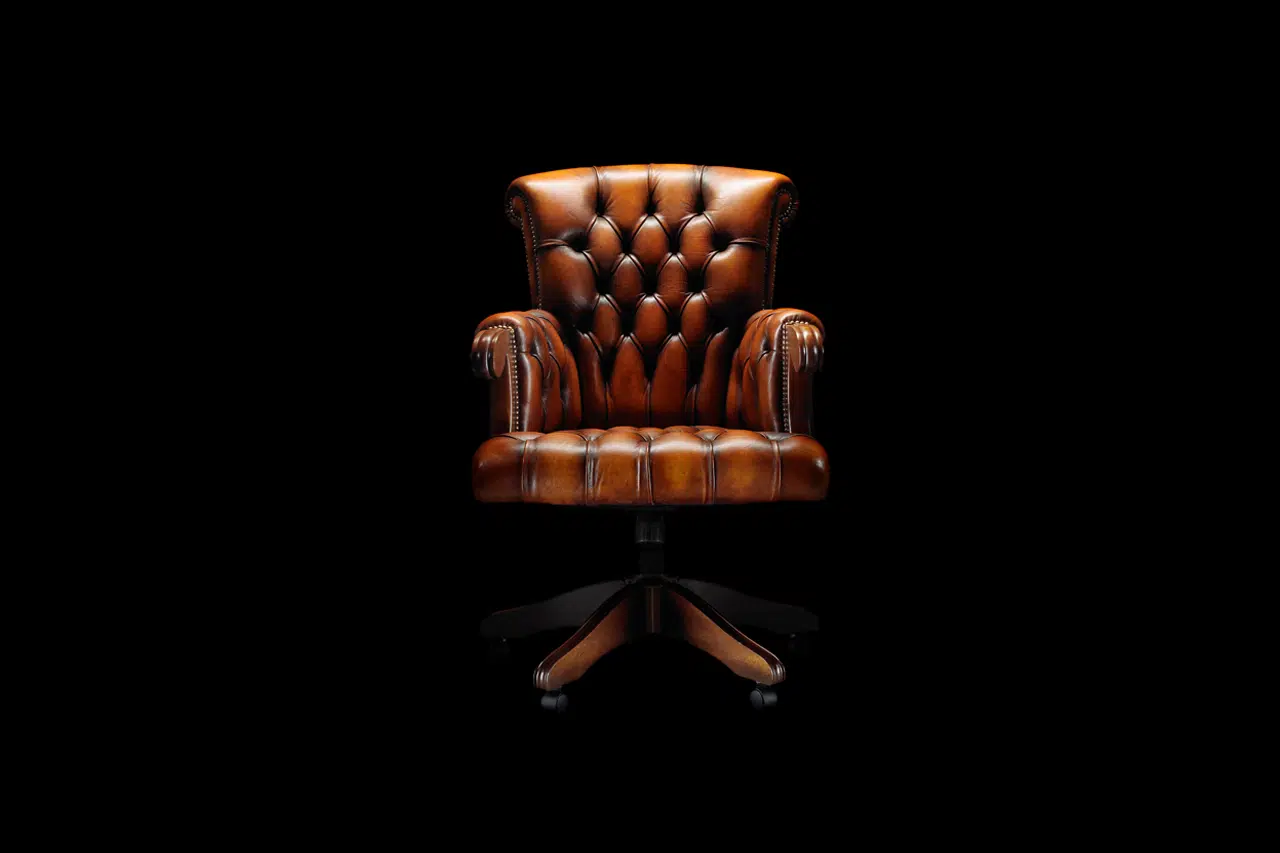
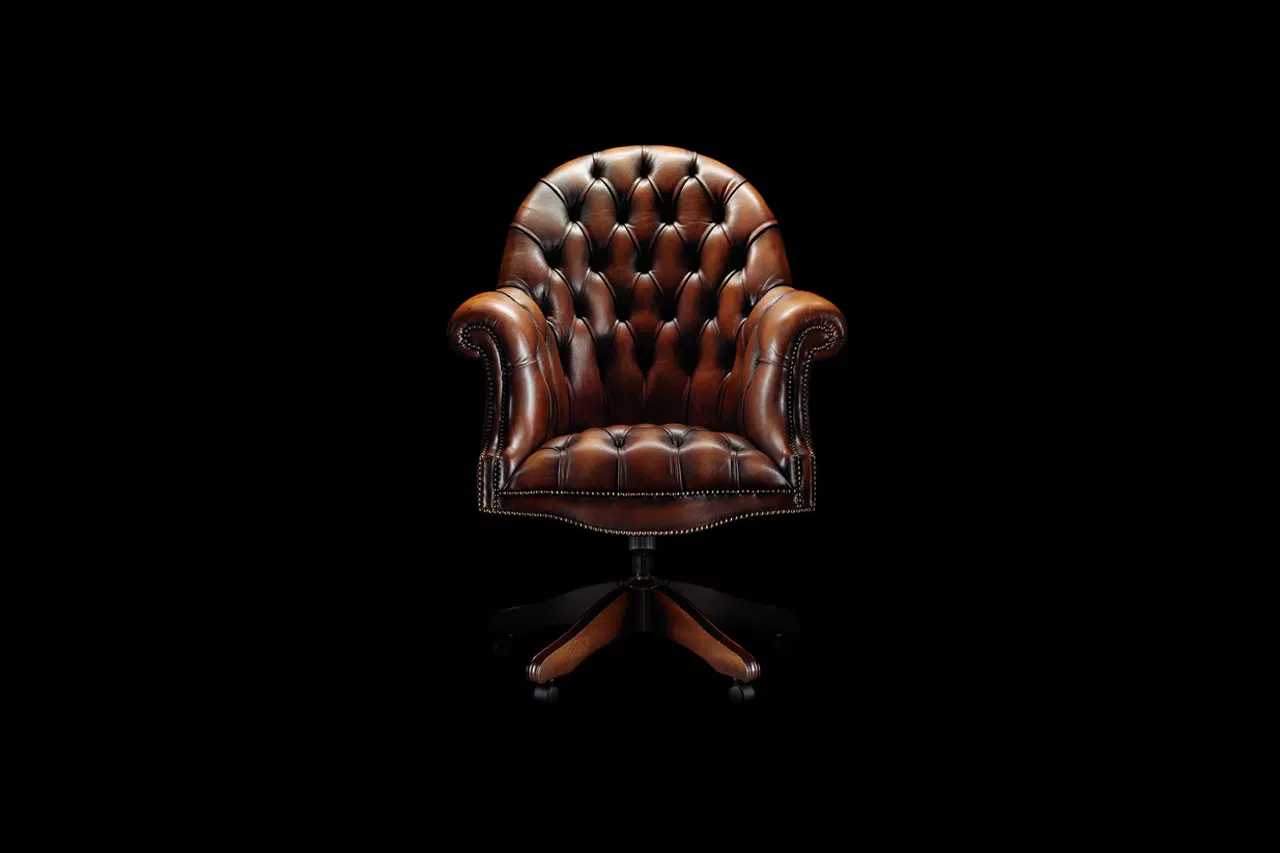

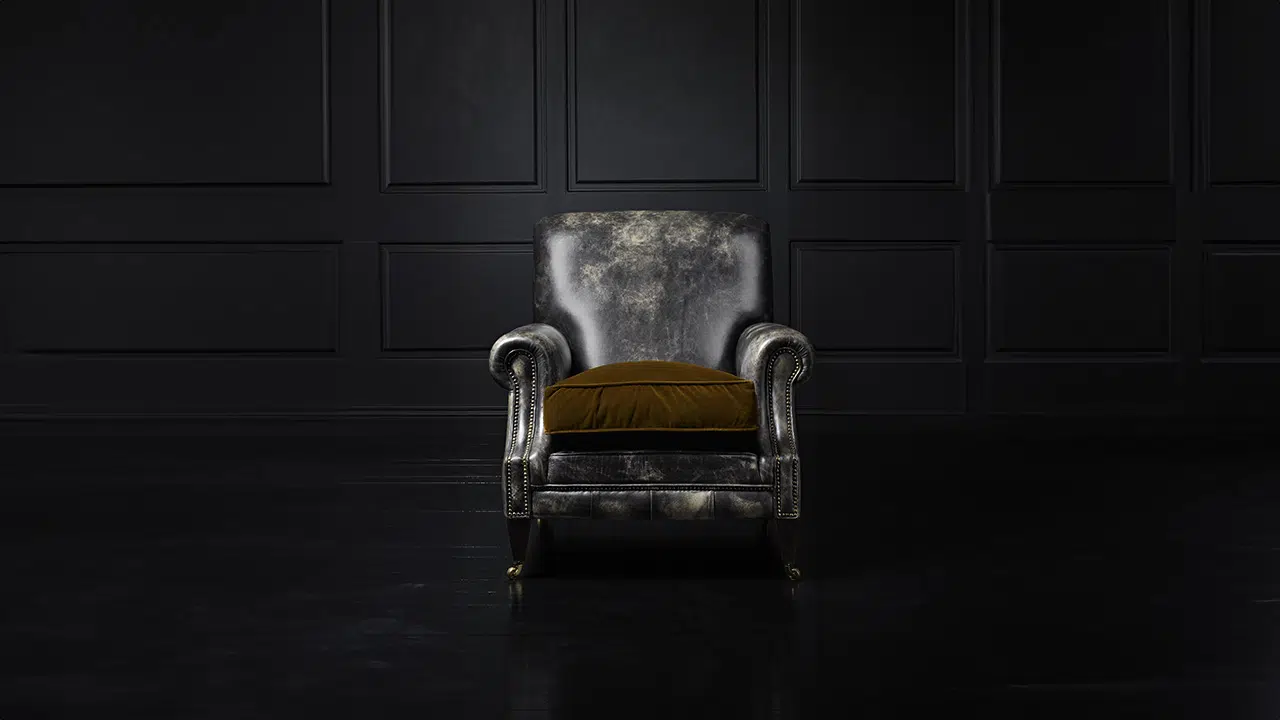
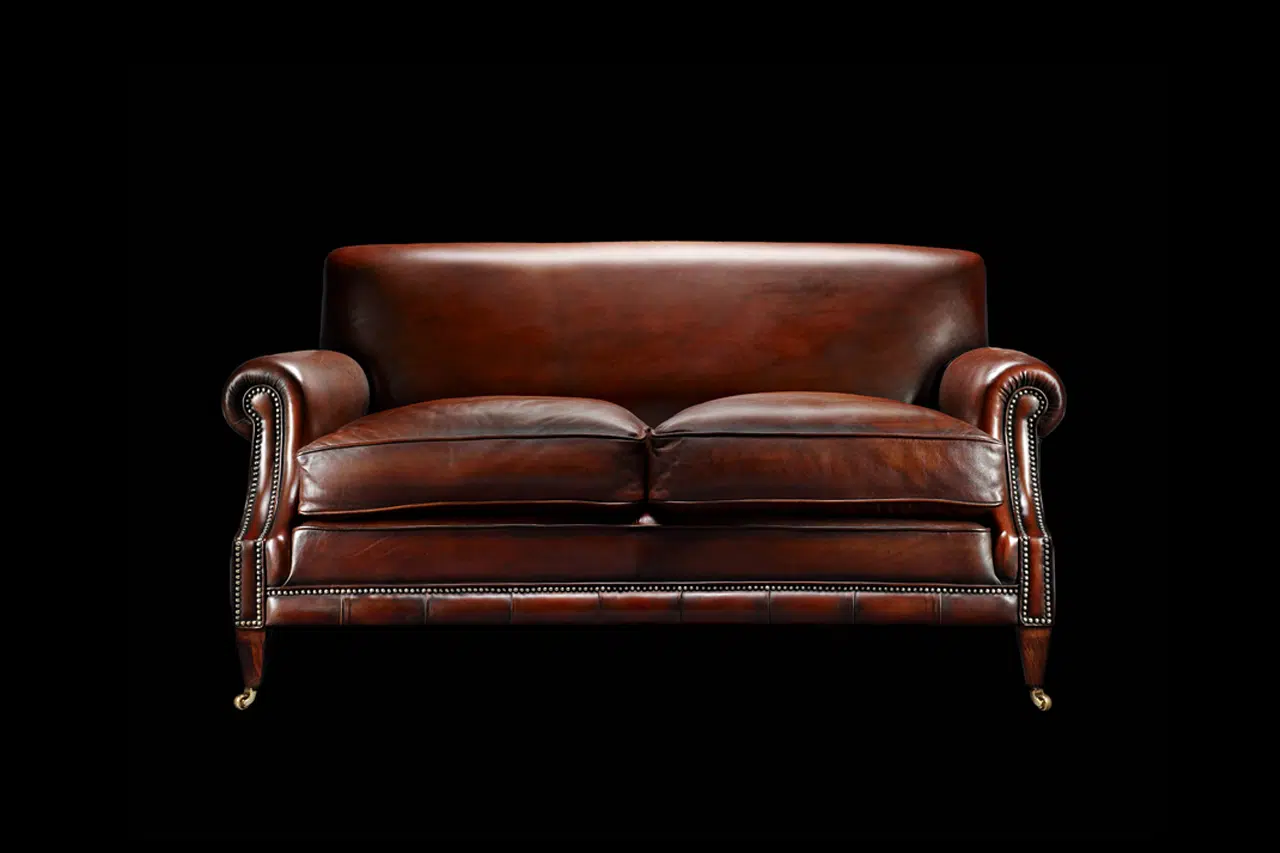
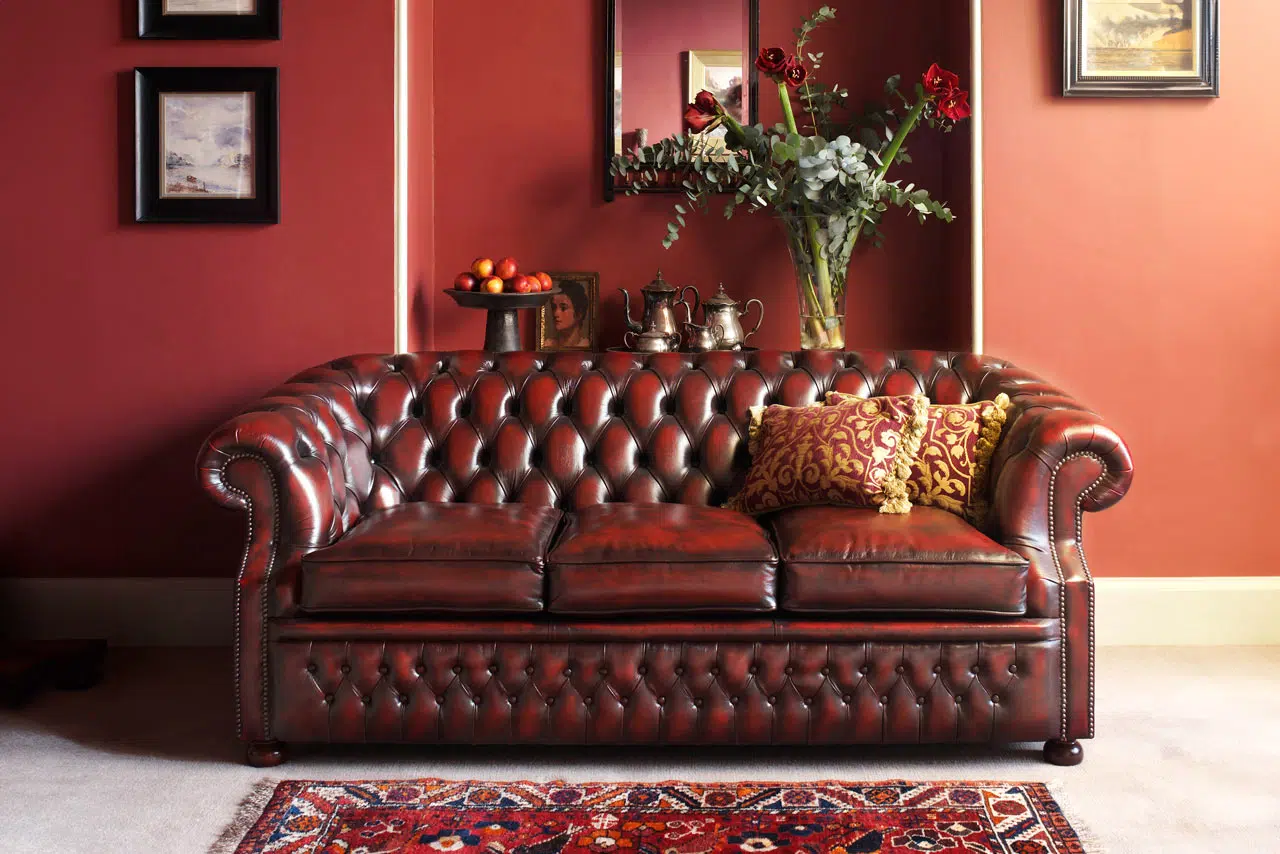
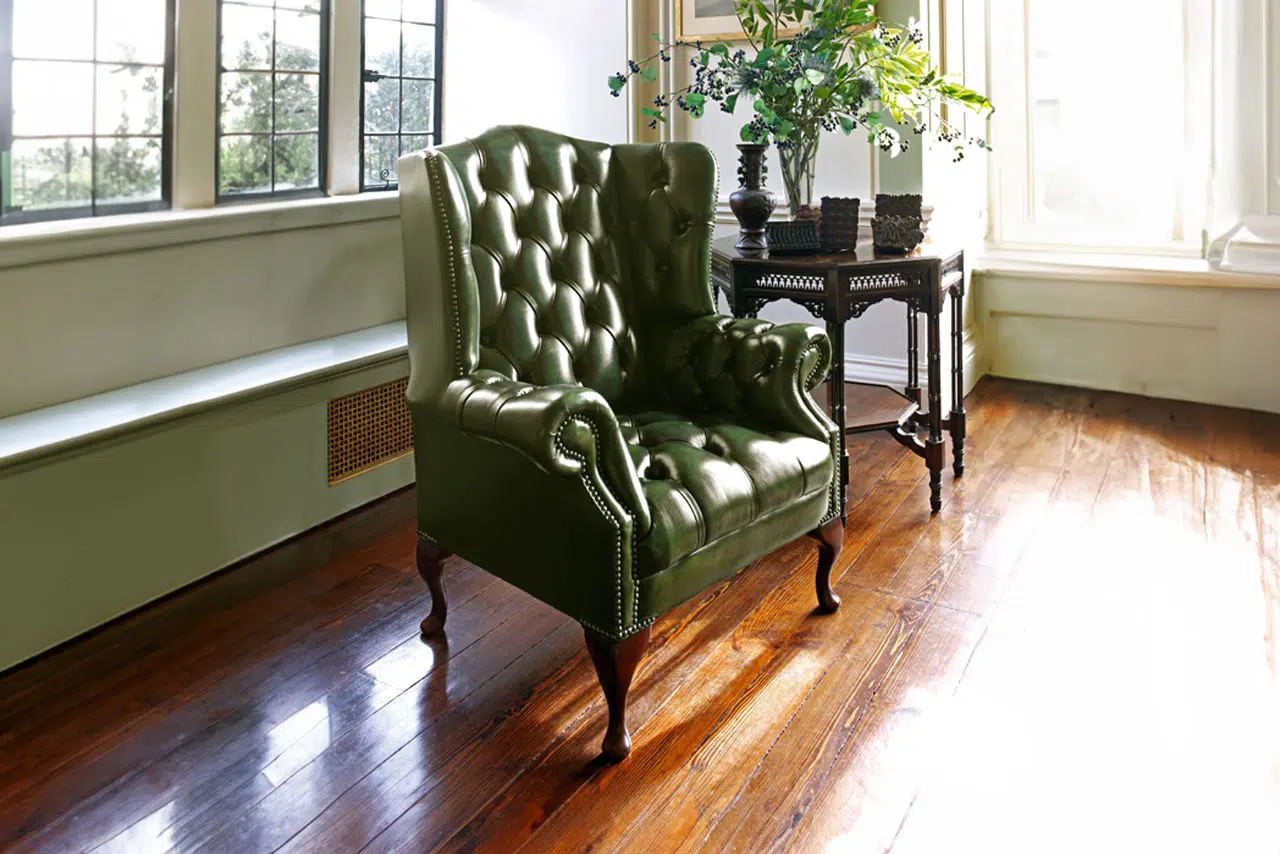
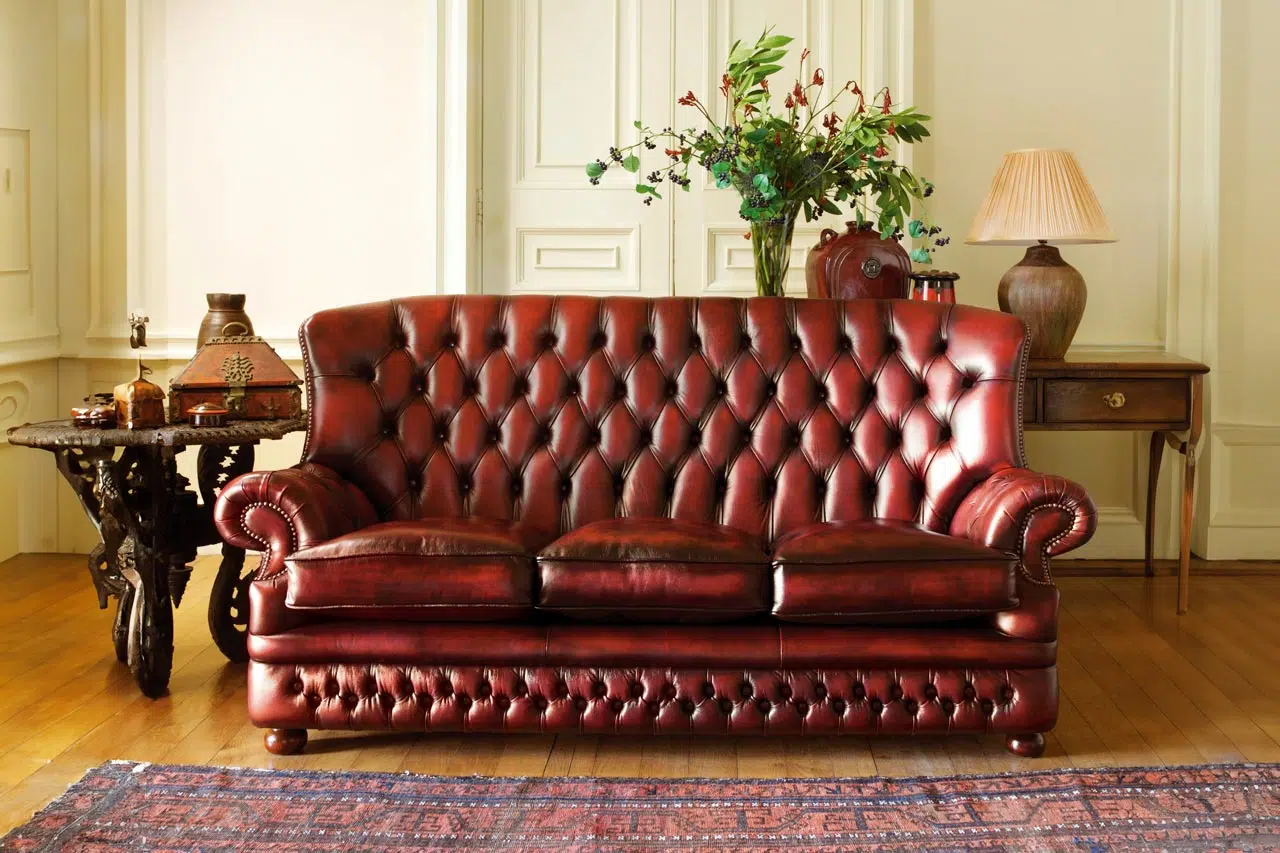
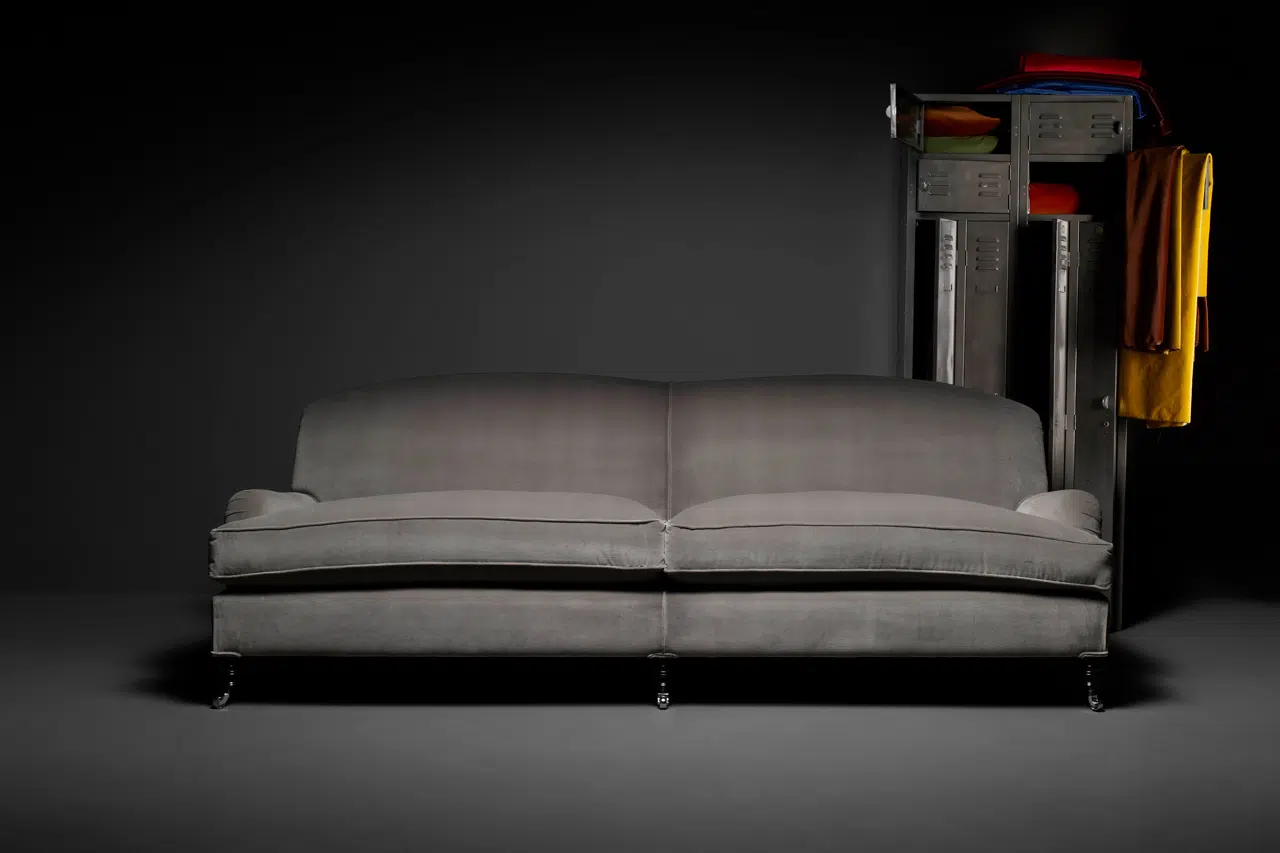
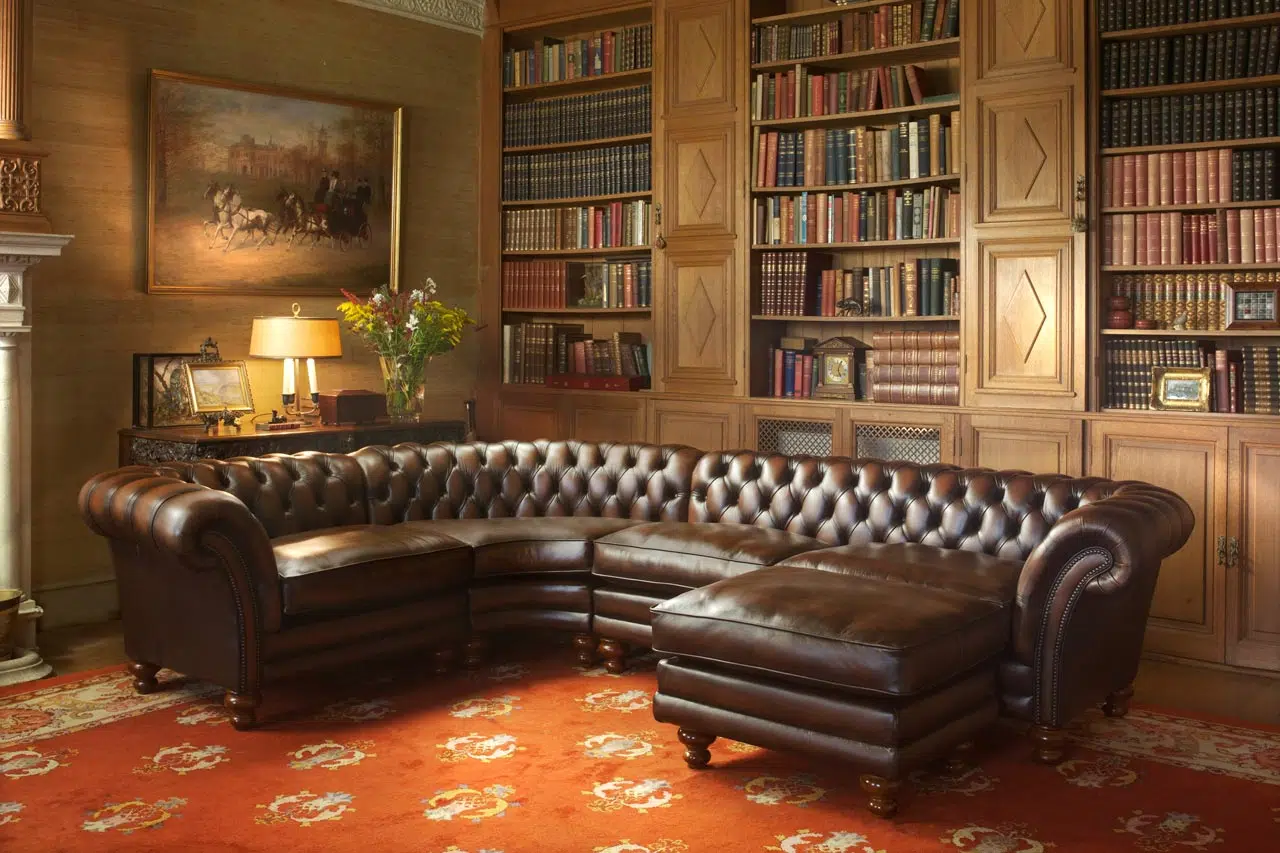
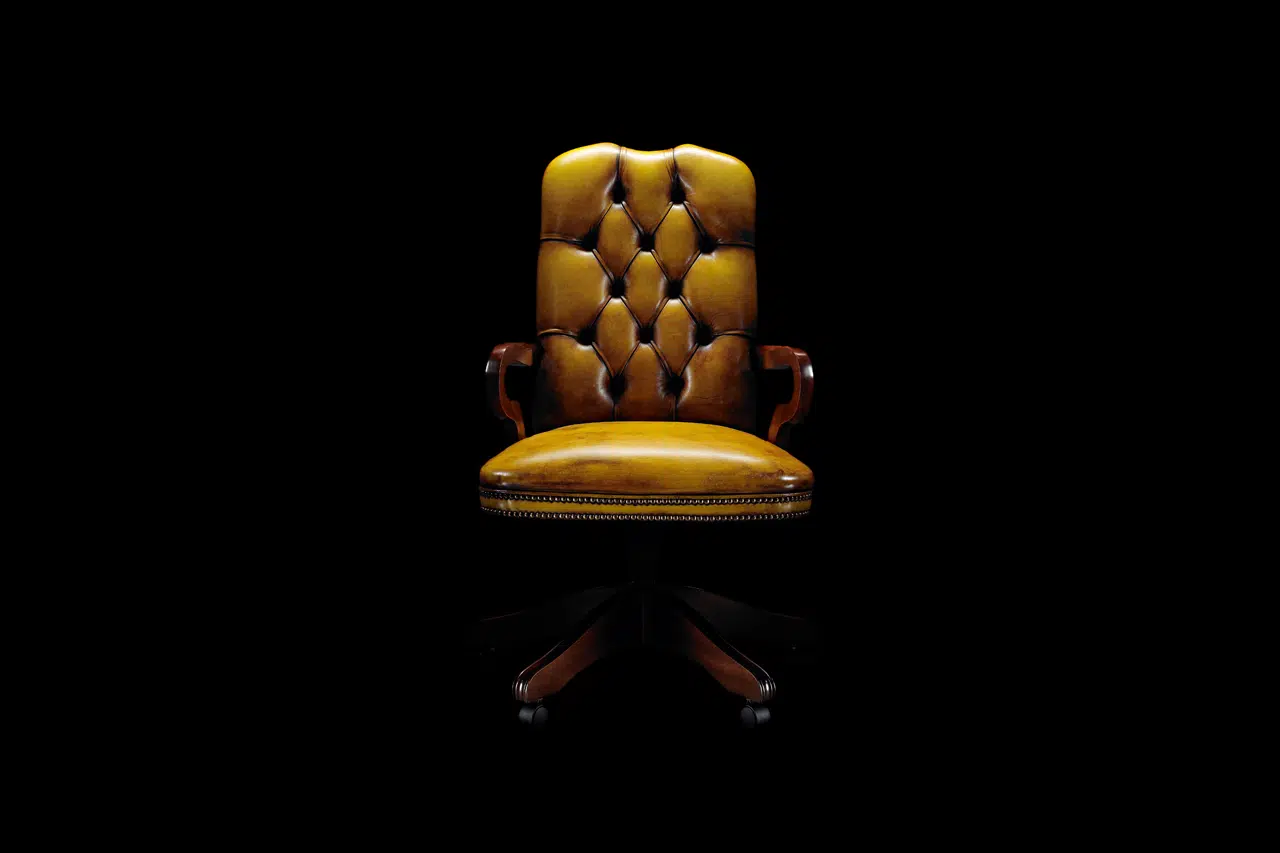
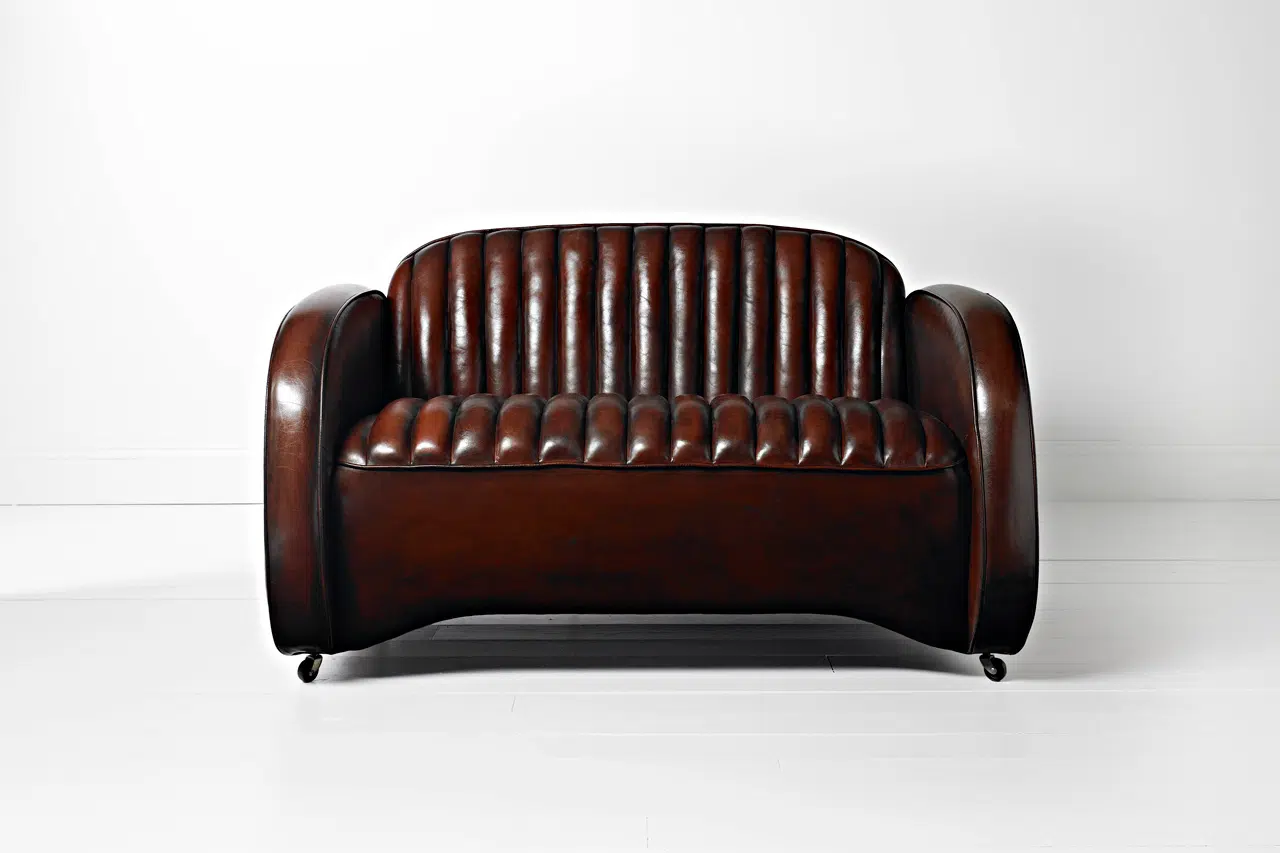

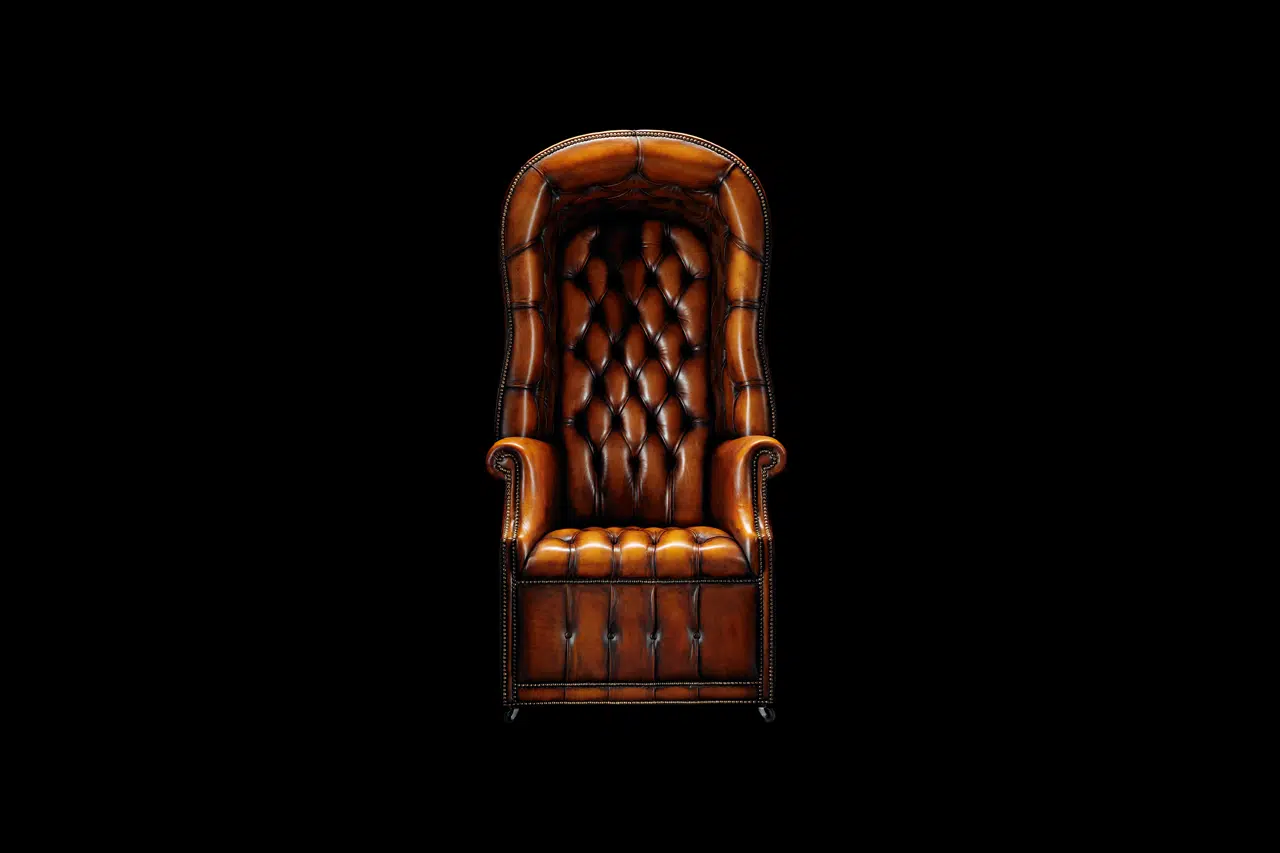
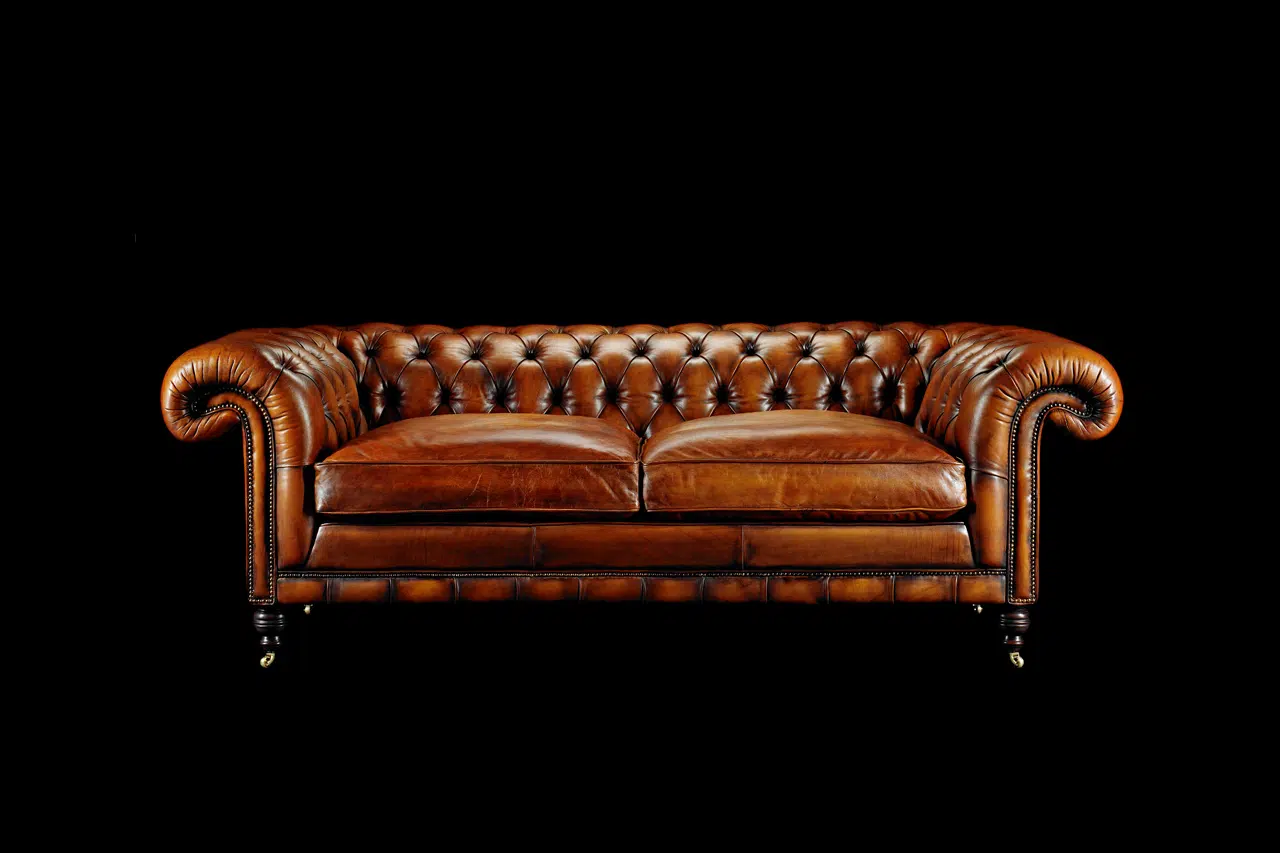

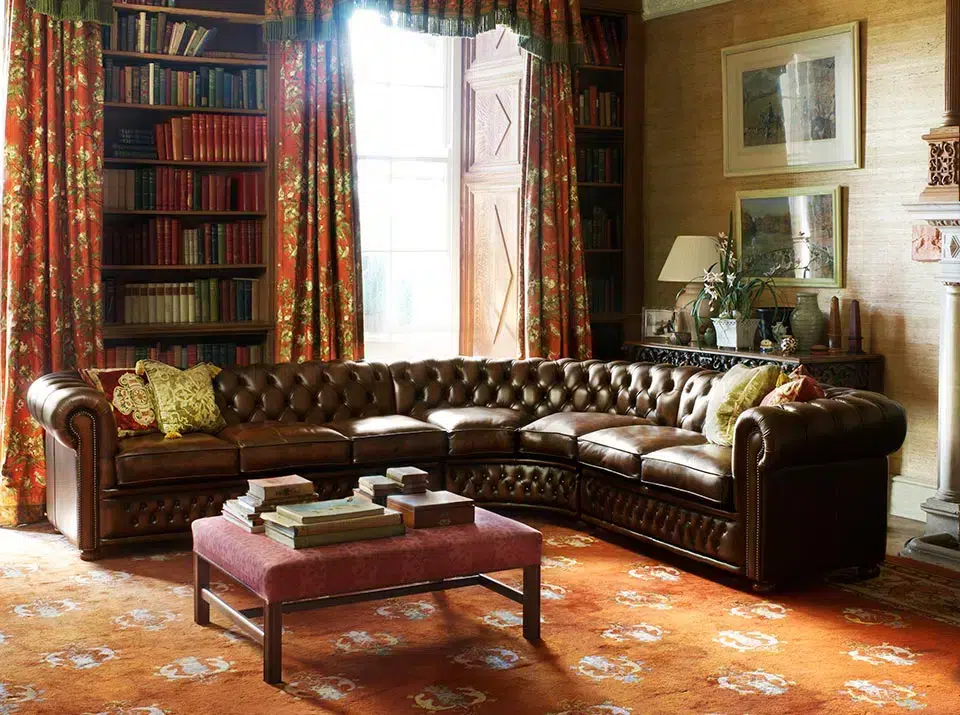
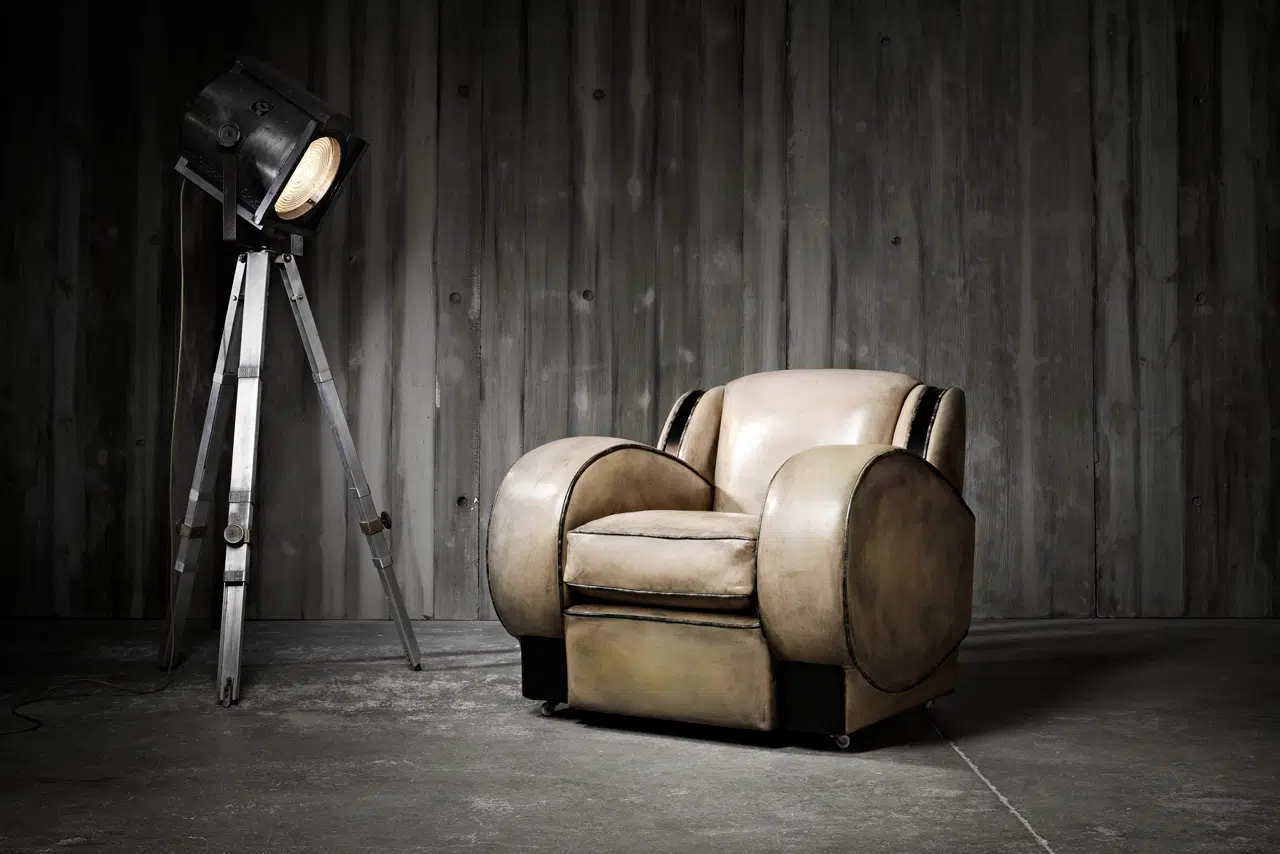


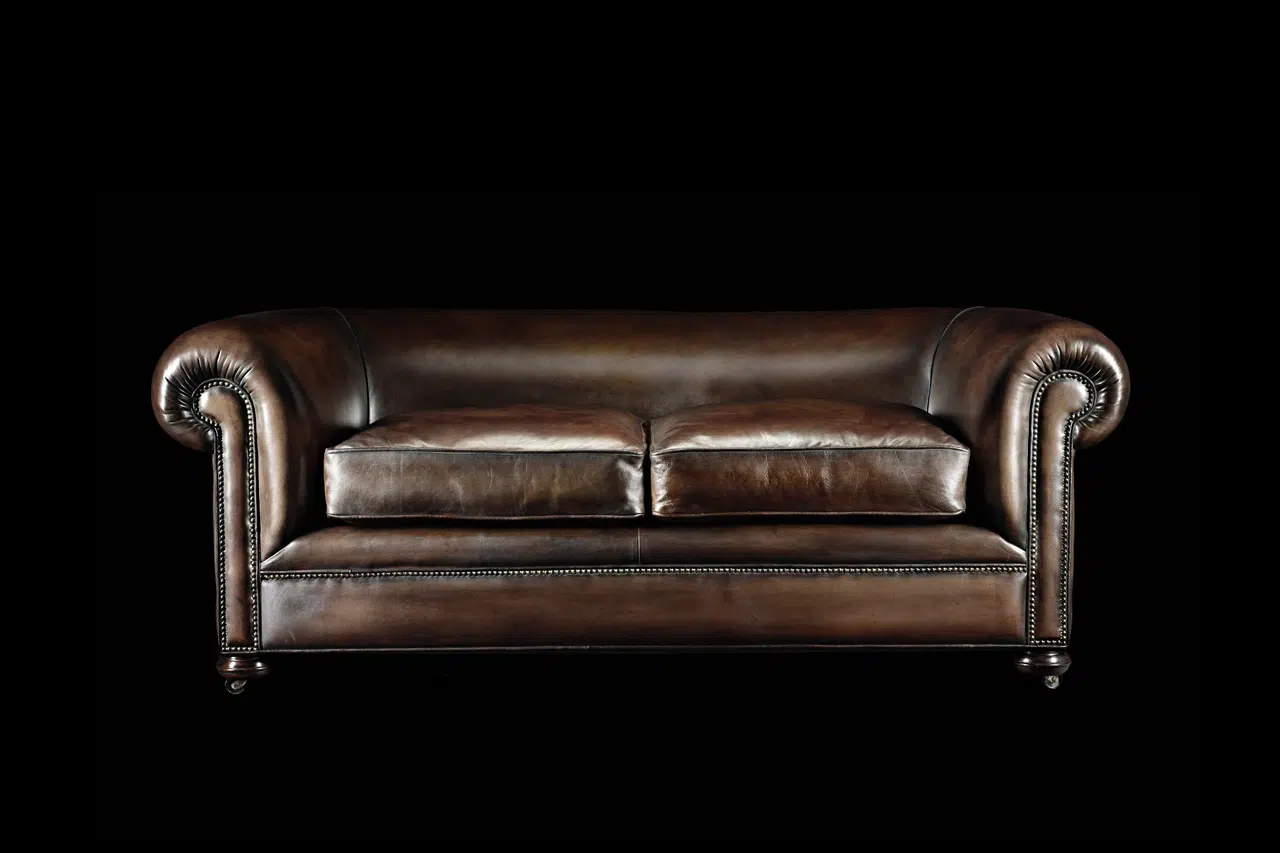
Reading calls for enclosure and support; dining favours an upright posture; desk seating must suit its working height. Traditional leather and lower fabric forms can share a room when their proportions and intended uses are considered together.
Colour Guide
A single chair can carry a bold colour; a dining set needs balance across the group. Leather adds definition, while softer fabrics reduce visual weight on larger forms within a room.
Discovery box
Similar colours can behave differently across dining and lounge seating. Compare leather, velvet, wool and mohair through the Discovery Box to assess texture and lustre, establishing a shared material reference for different chair types within one interior.

Digital Brochure
Submit the form to receive full collection of digital brochures by email.
Request Brochure
Frequently Asked Questions
What types of chairs does Fleming Howland make?
The collection includes lounge and armchairs, Chesterfield chairs, wingbacks, office chairs, dining chairs and other occasional seating. The designs range from traditional deep buttoned forms to lower contemporary and Art Deco influenced silhouettes, with materials and colour available across different styles.
How do I choose a chair for a particular room?
Start with use and posture, then consider scale. A reading chair may need greater enclosure and depth, while dining or desk seating requires a more upright position. After that, assess height and silhouette against nearby furniture so the chair feels intentional within the room.
Do chairs in the same room need to match?
No. Variation often makes an interior more convincing. Chairs can differ in period, material or silhouette if there is a shared relationship in scale, colour or finish. Repeating every element can make a room feel like a furniture set rather than a composed interior.
Is leather suitable for every type of chair?
Leather is versatile and works especially well where structure, patina and durability are important. Softer fabrics may be preferable where a lighter visual effect or different tactile quality is required. The chair’s form and intended use should determine the material rather than a single rule.
Can Fleming Howland chairs be customised?
The chair collection is made to order, with colour, upholstery and selected design or dimensional details available to suit different spaces. This allows a chair to be considered alongside the architecture, existing furniture and the proportions of the person using it.