
Low upholstered forms connect a seating arrangement and extend the comfort of a chair. From a compact Chesterfield footstool to broader ottomans and benches, height and width determine how the design relates to surrounding furniture.

Occasional

Bradwell
A softly sculpted design defined by gentle curves
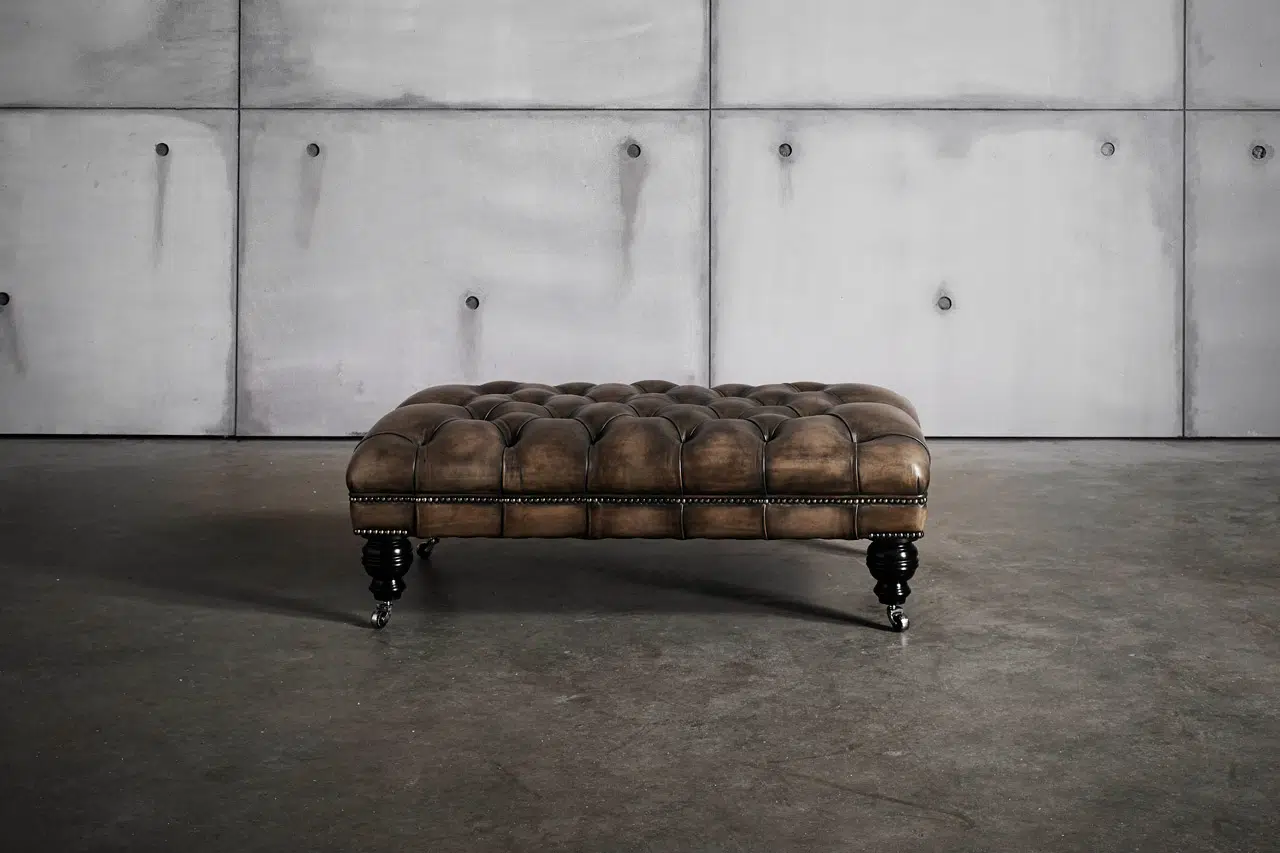
Philip Stanhope
A design that perfectly fulfils everlasting beauty
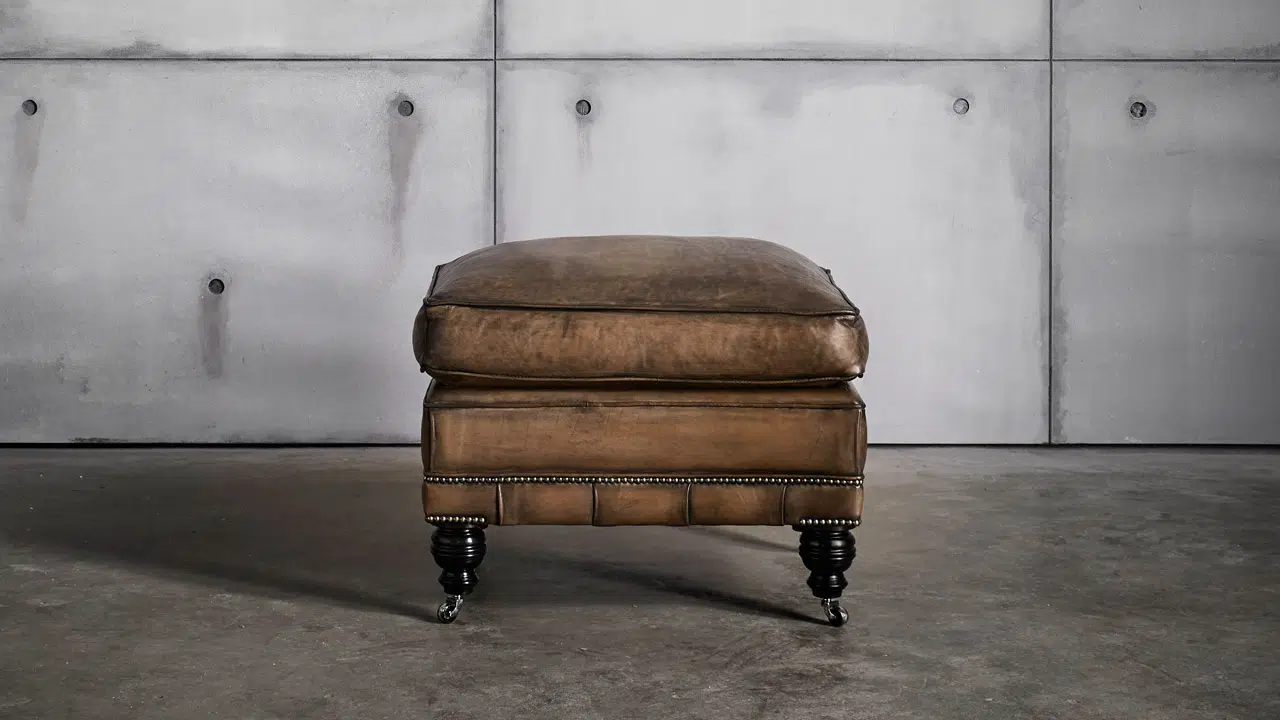
Samuel Johnson
A generous, sectional design with deep proportions
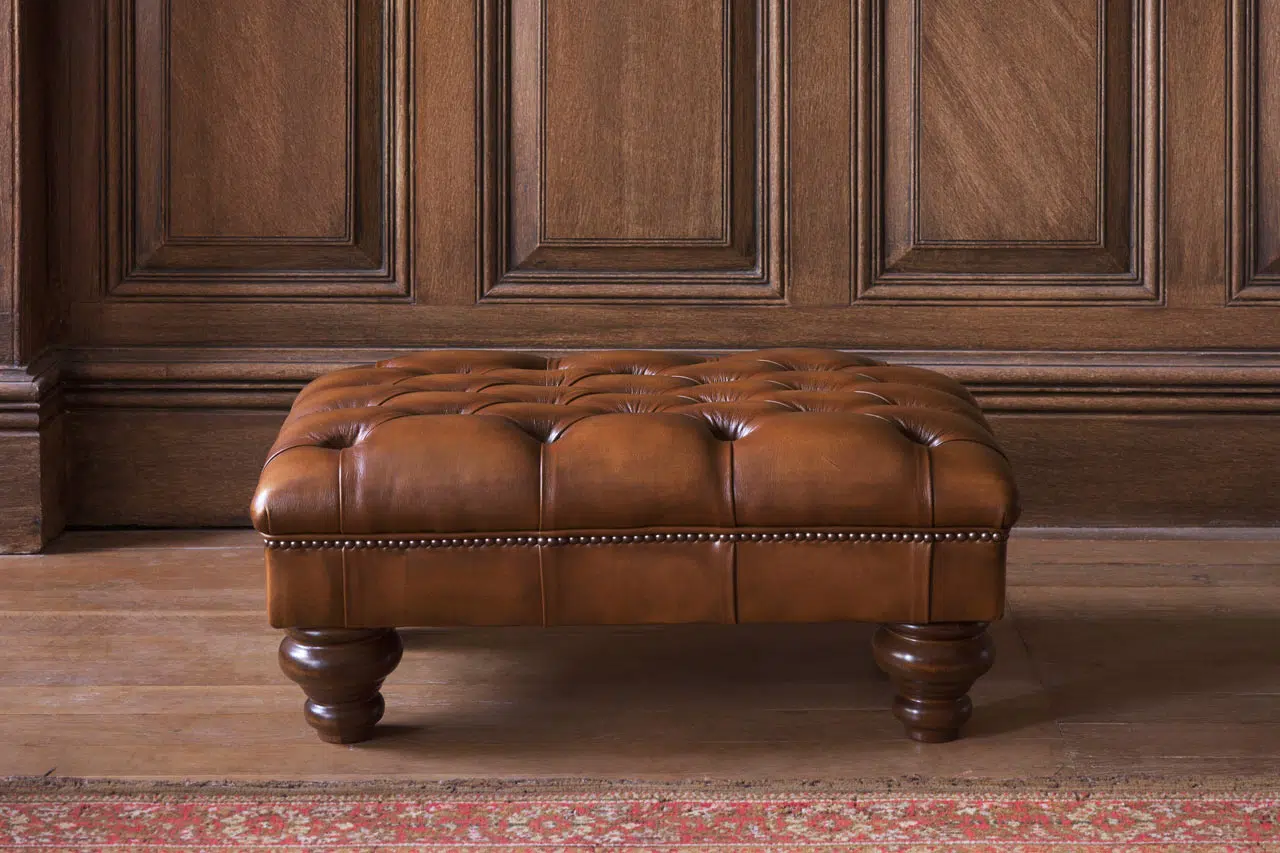
Cromwell
A contemporary interpretation of the timeless chesterfield
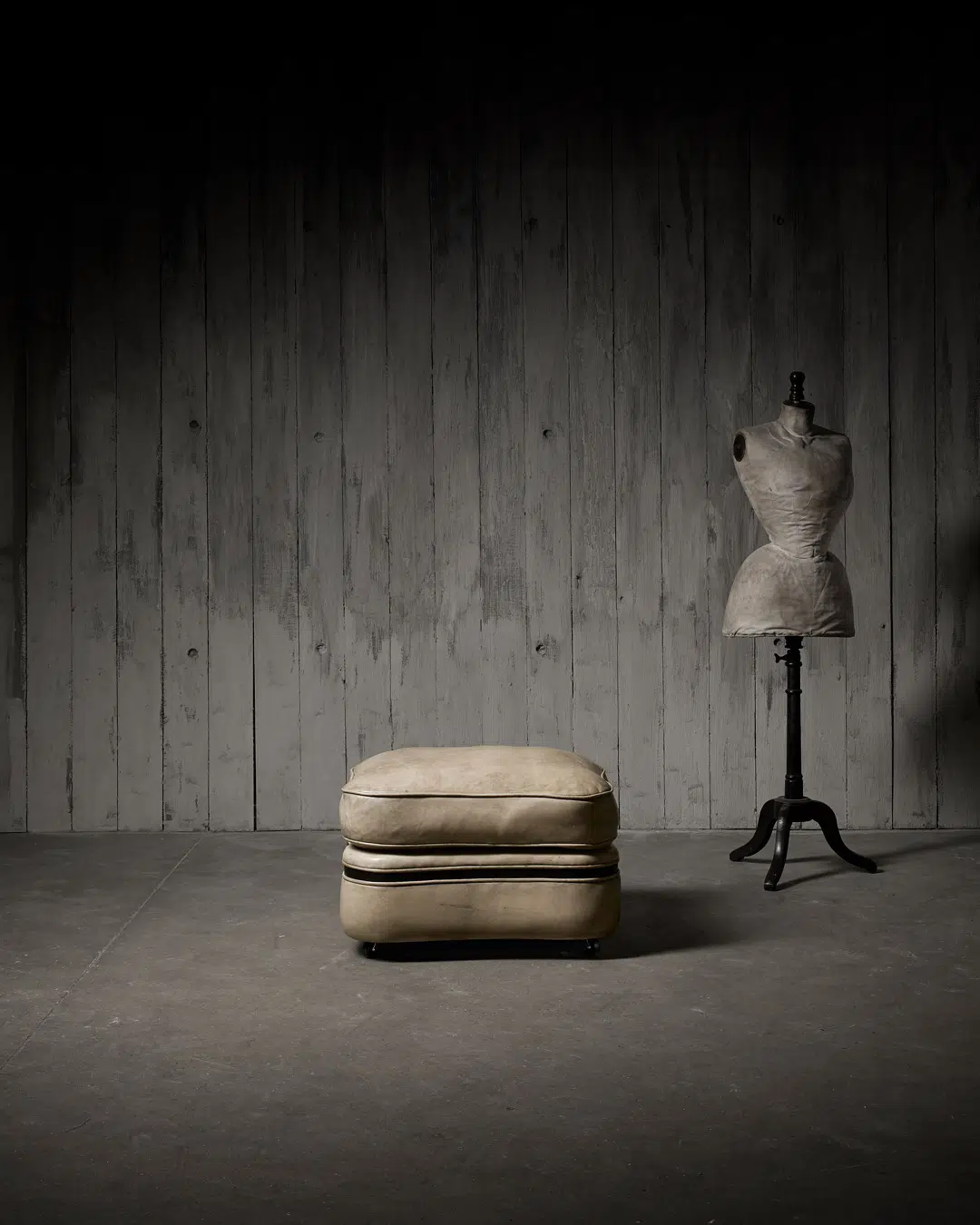
Cloud
An iconic 1930s shape crafted for the modern era
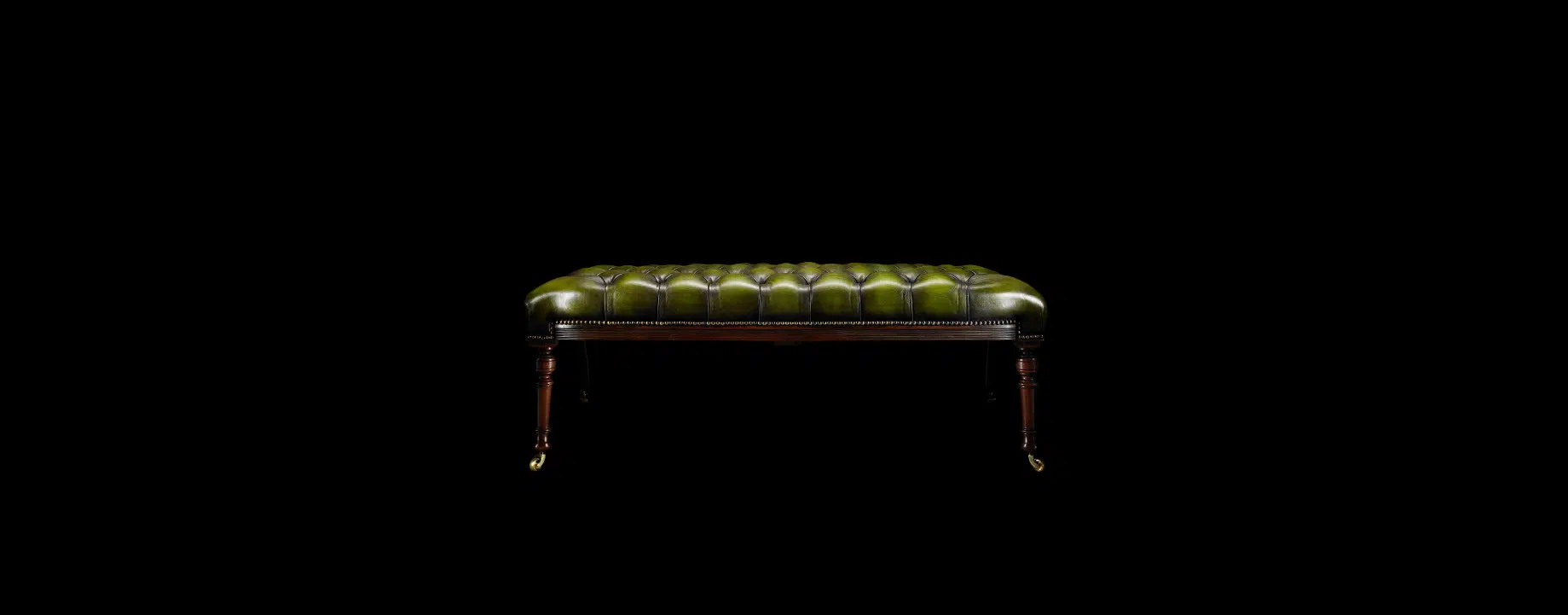
Love
Elegant seating with an intimate and gentle appearance

Samuel Johnson
Meticulously buttoned to pay homage to craftsmanship
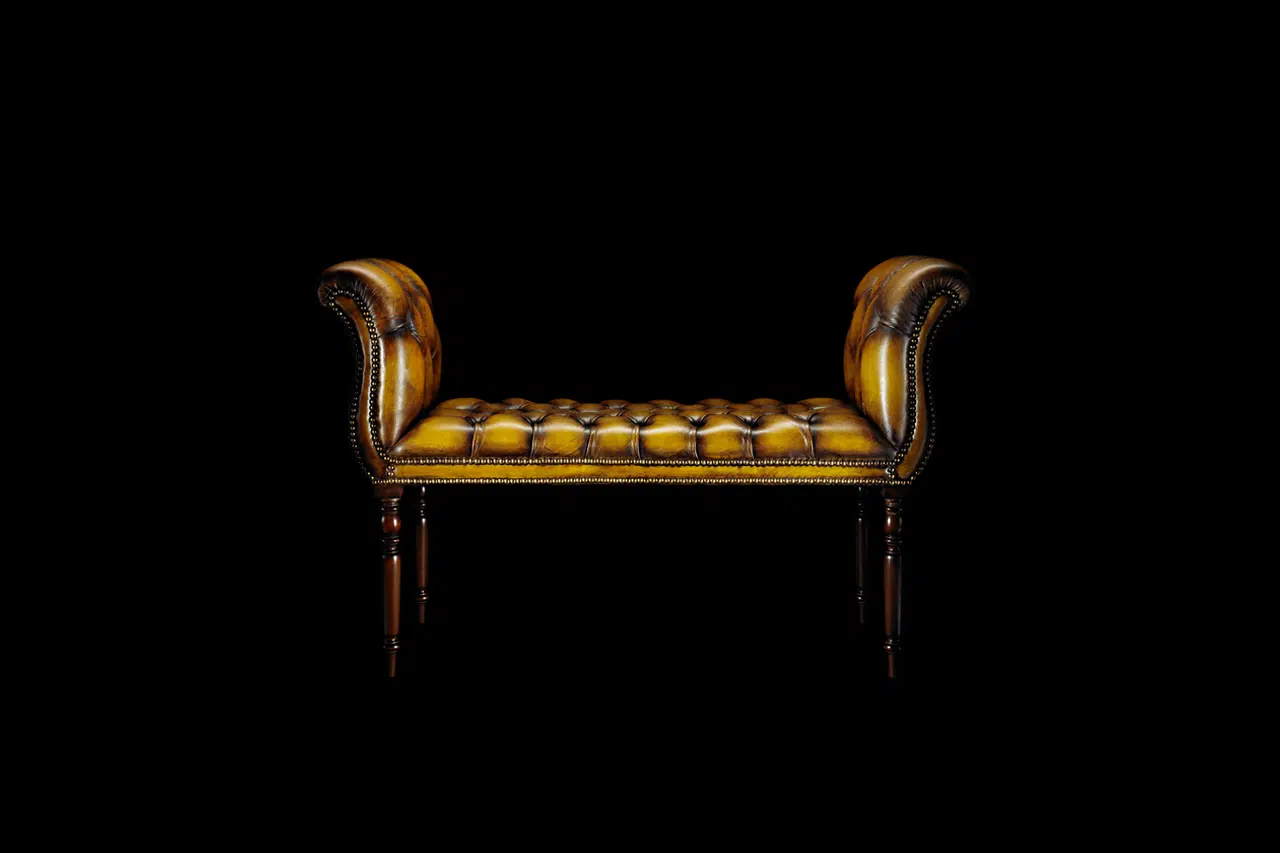
Window
A carefully designed attention to detail with delicate lines

Philip Stanhope
A design that perfectly fulfils an everlasting presence of beauty

James Boswell
A graceful dance of lines with intertwining angles
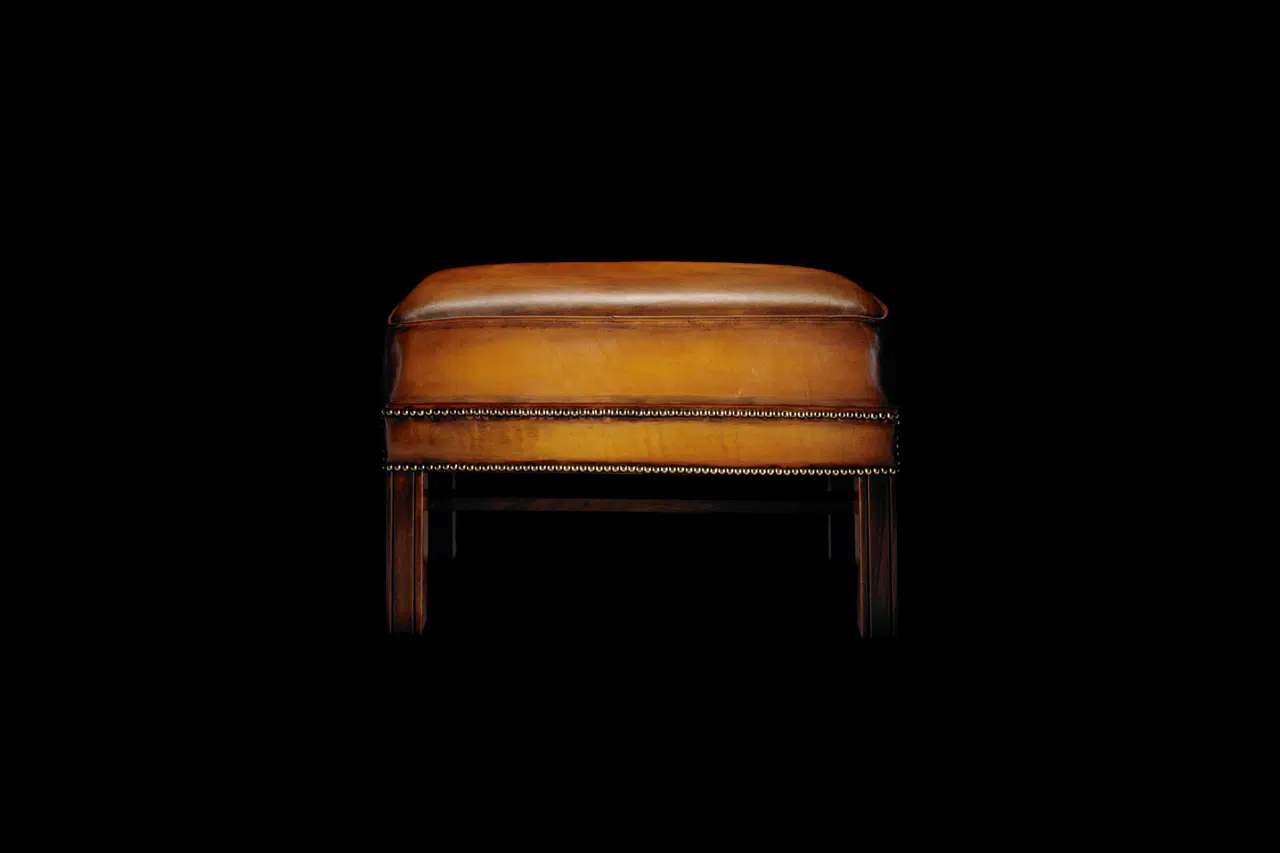
Henry Thoreau
An elegant design built for both comfort and style

William Blake
A cherished chesterfield design that will never fall out of fashion

Club
A straightforward footrest designed to complement

Graham
A traditional, compact design with refined proportions
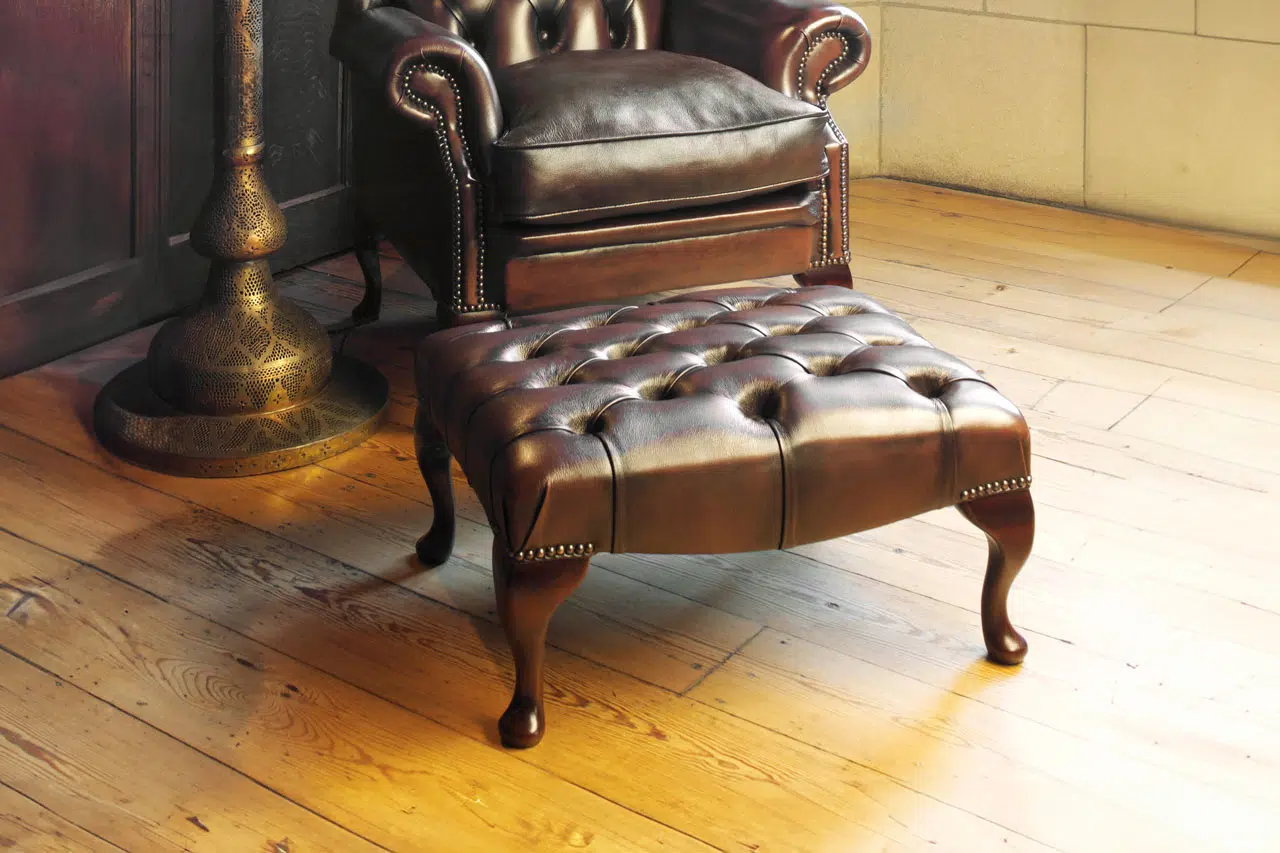
Stamford
The most beloved and familiar of Chesterfield designs
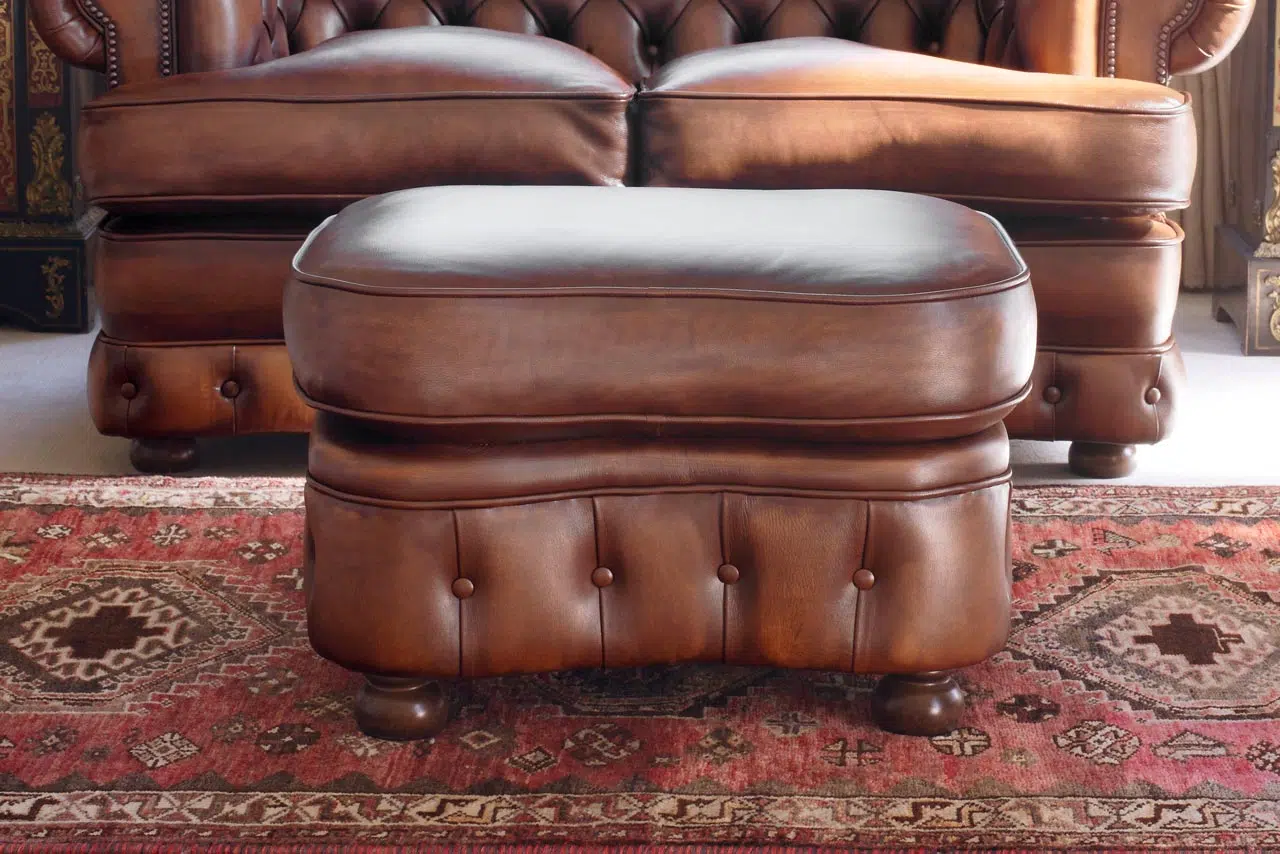
Edward
A soft silhouette defined by voluptuous form
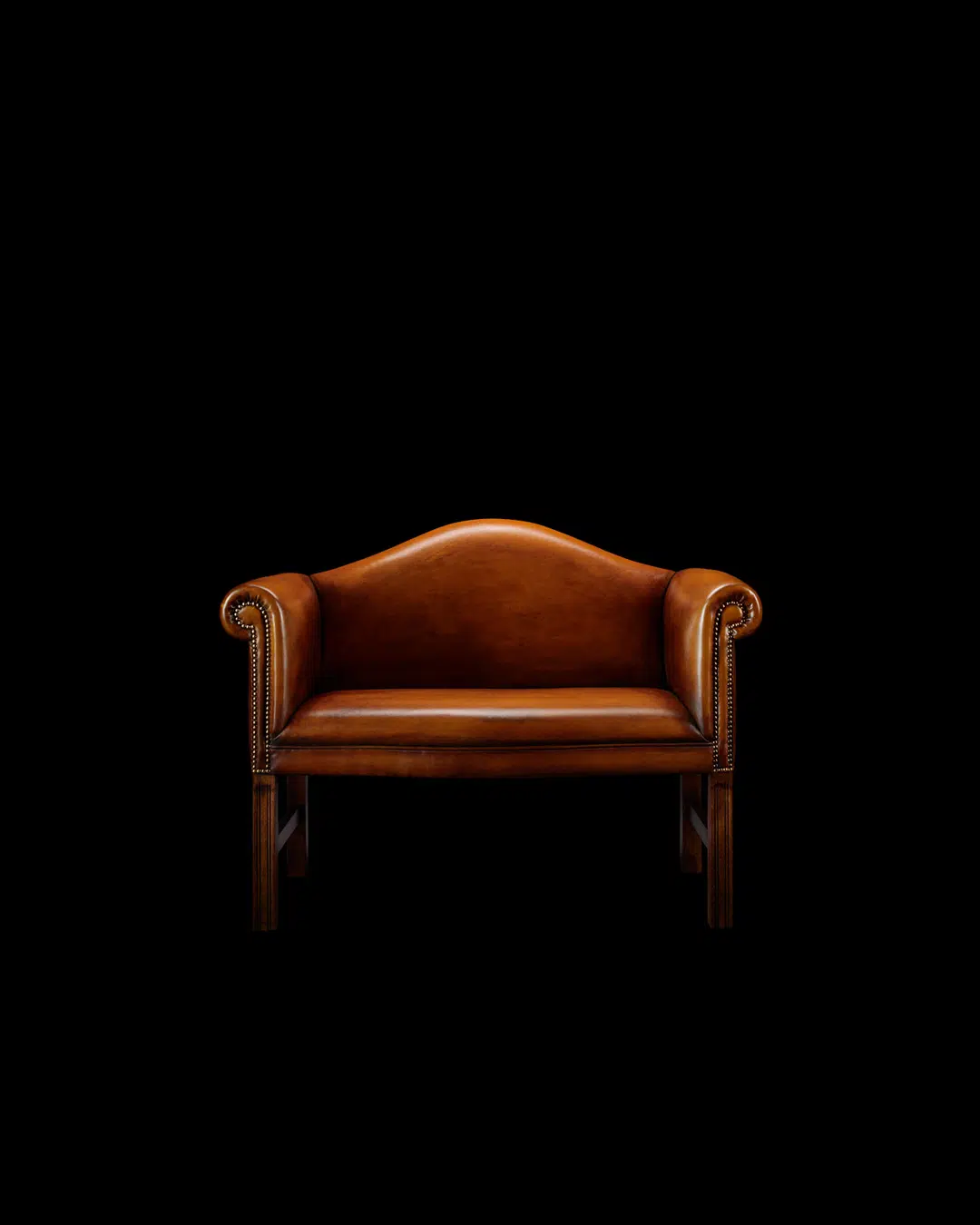
Bedroom
Understated yet gracefully curved bench seating

Ribble
An evolution of functional seating

Decorative Pillows
The balance between form and feeling
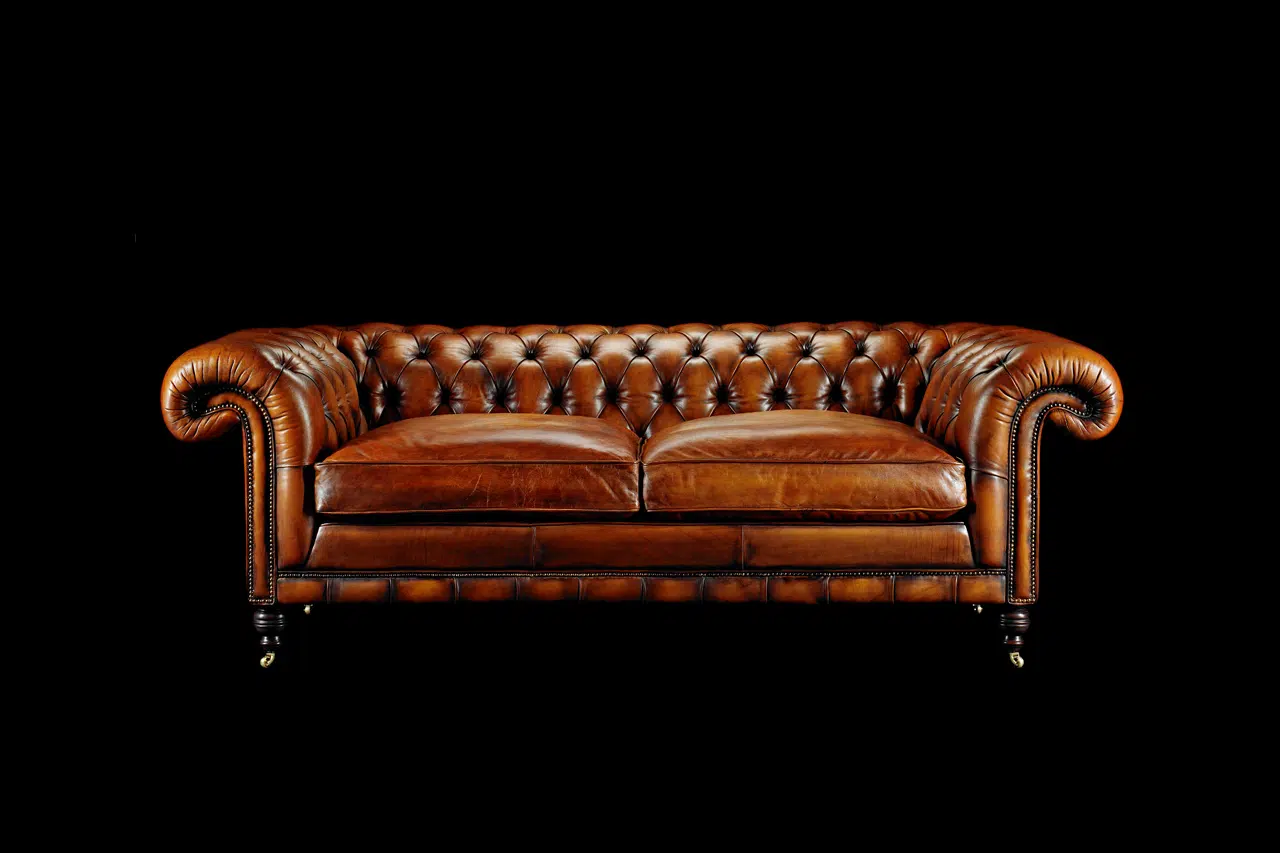
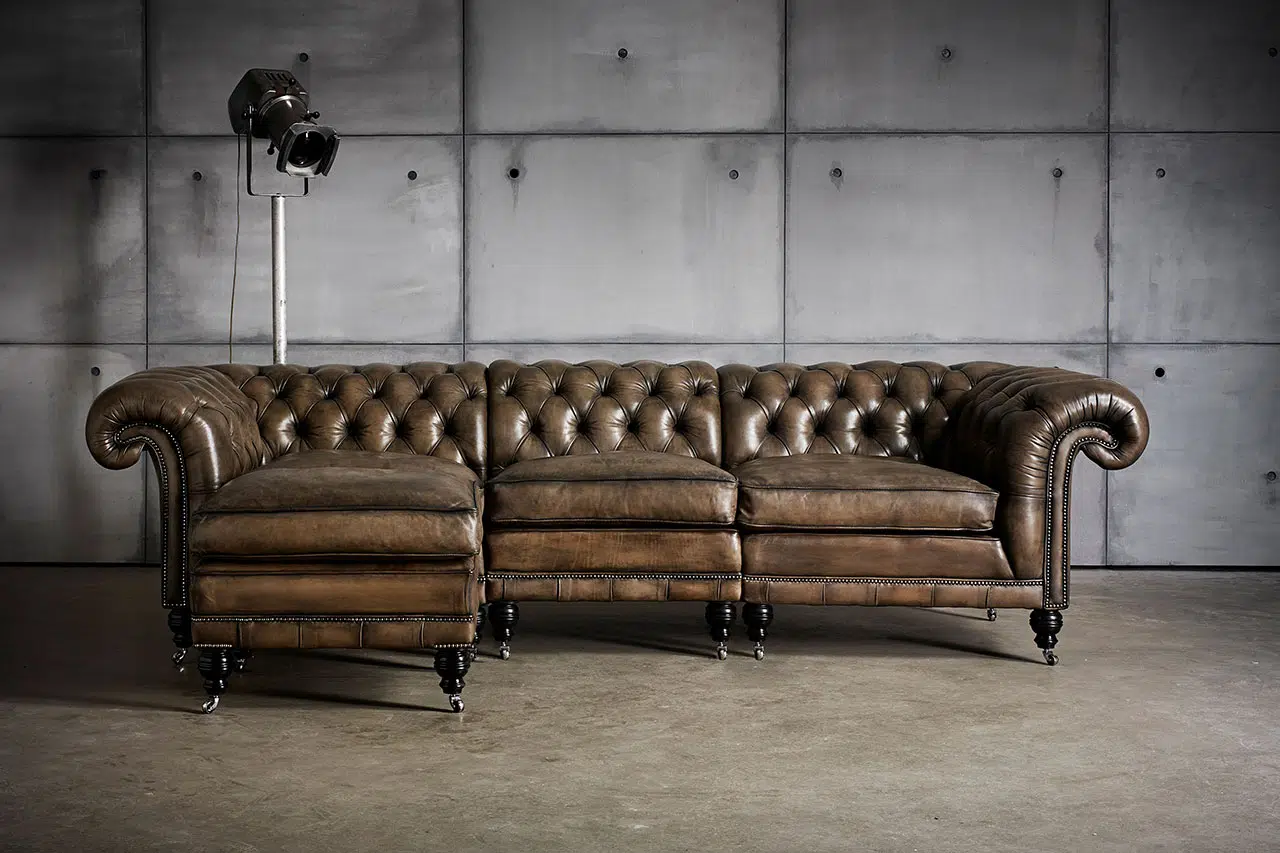
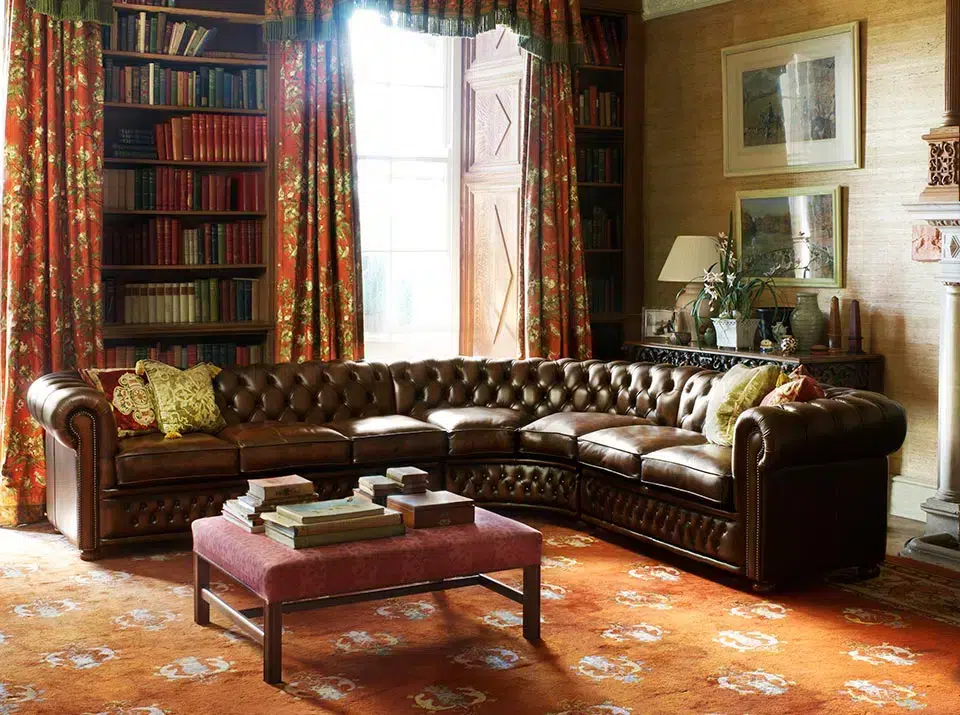

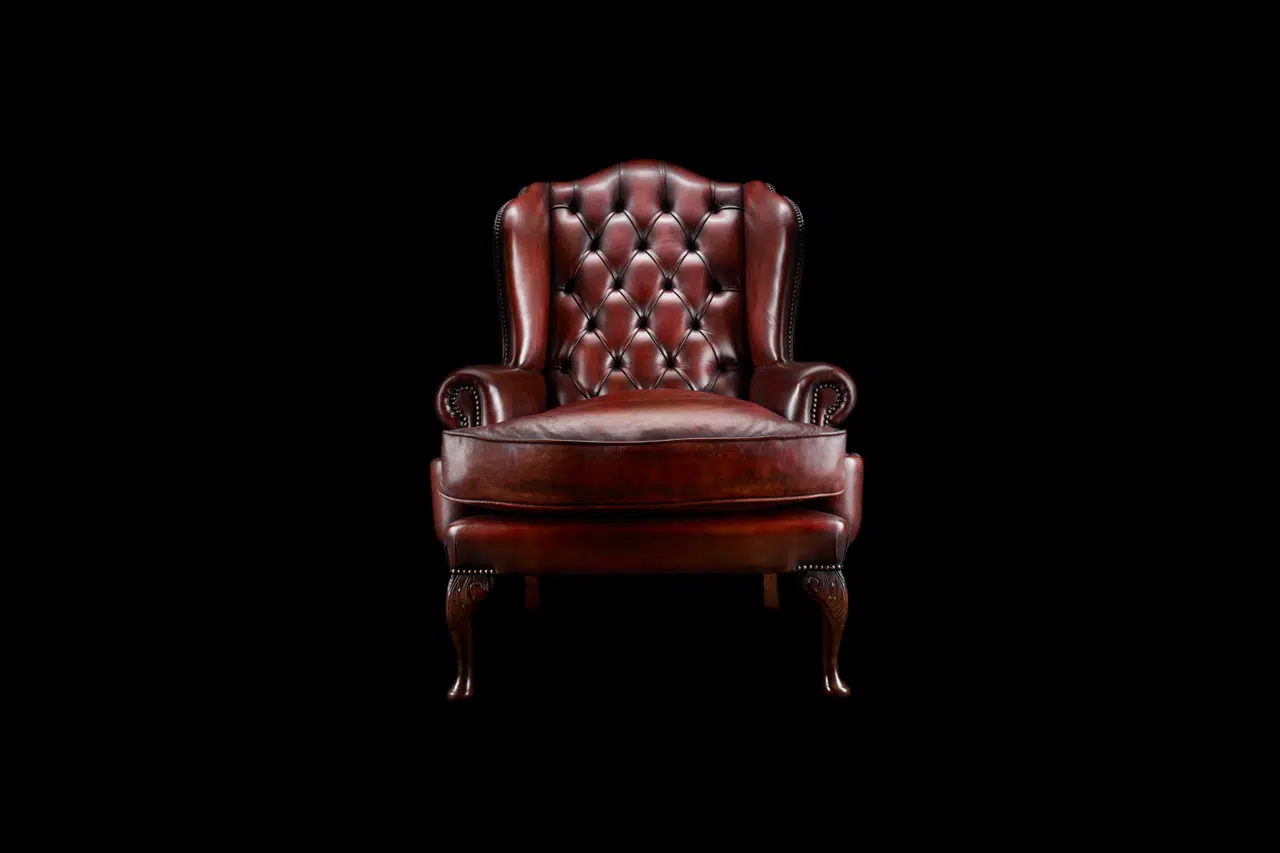
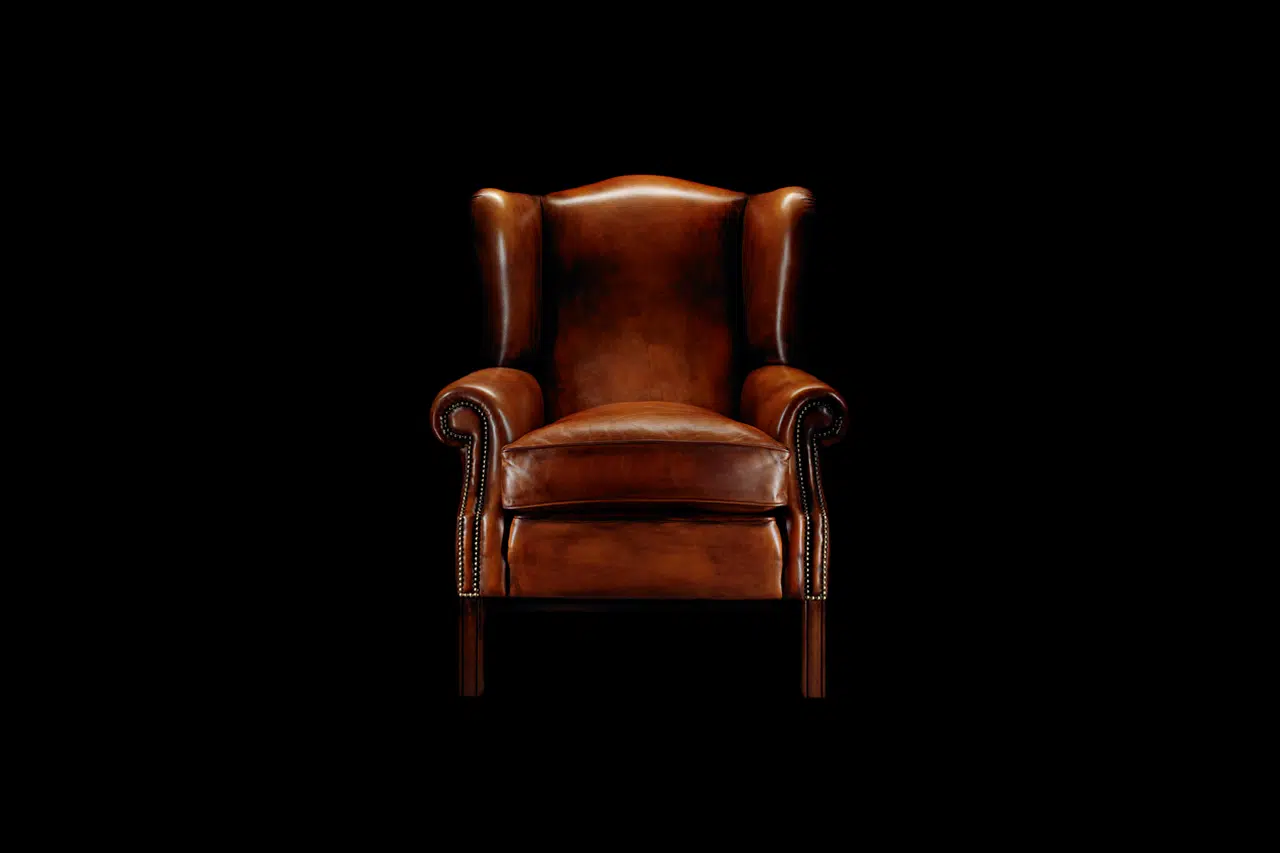
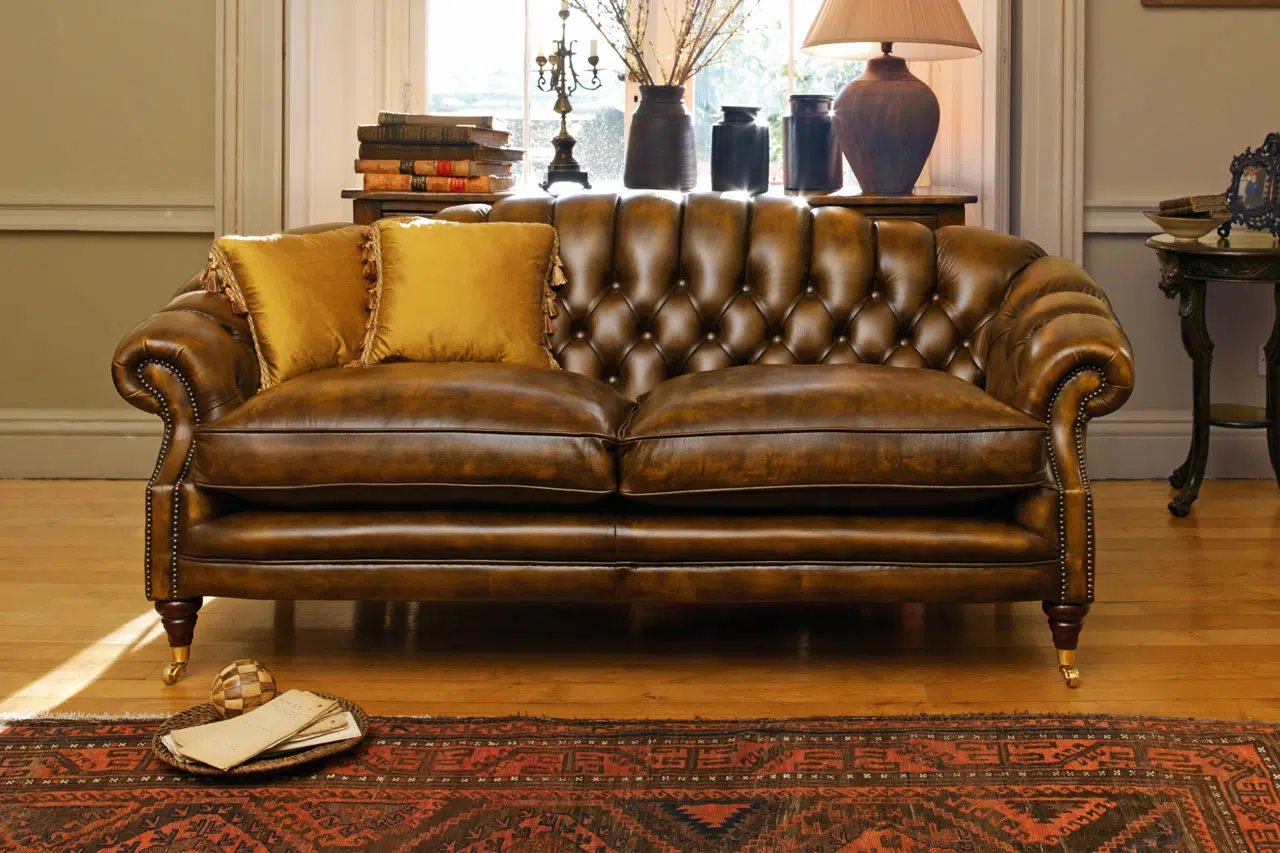

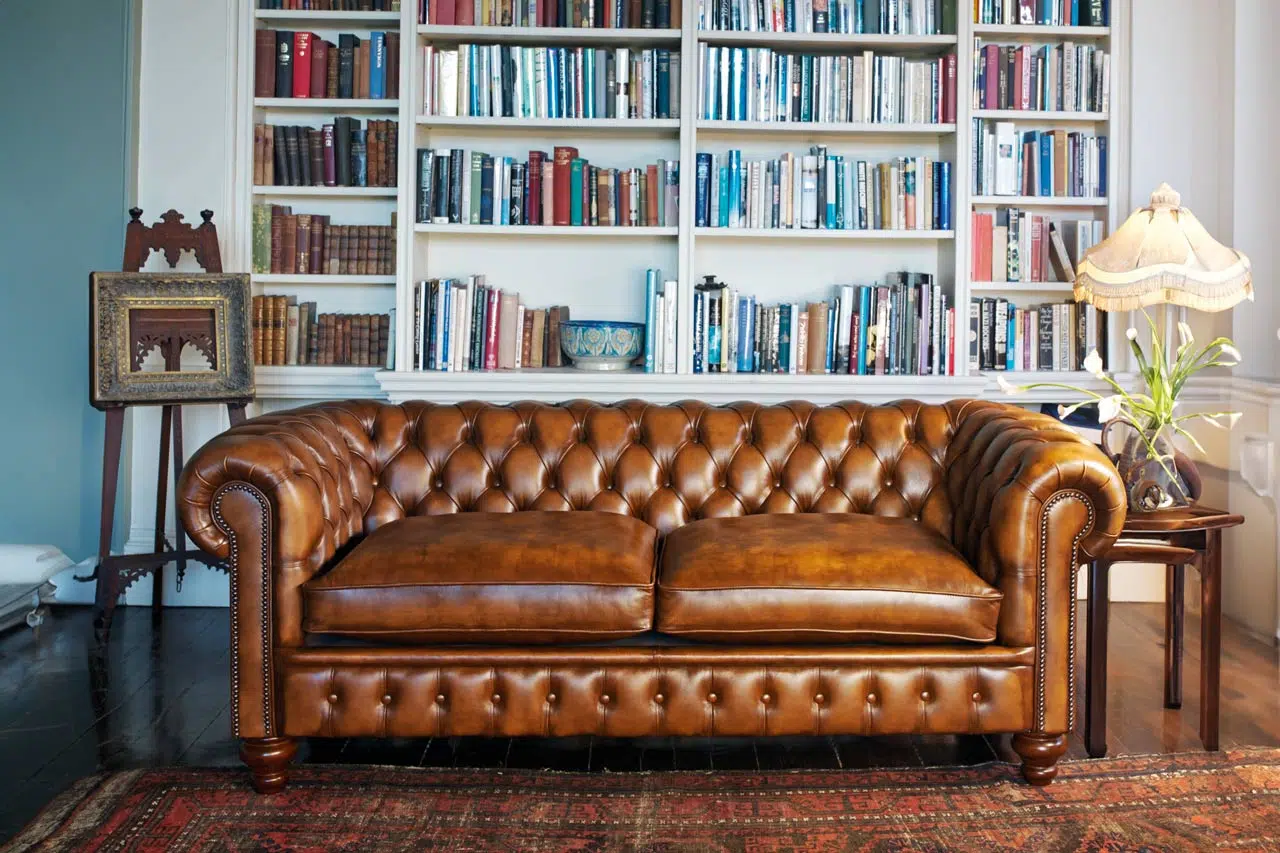

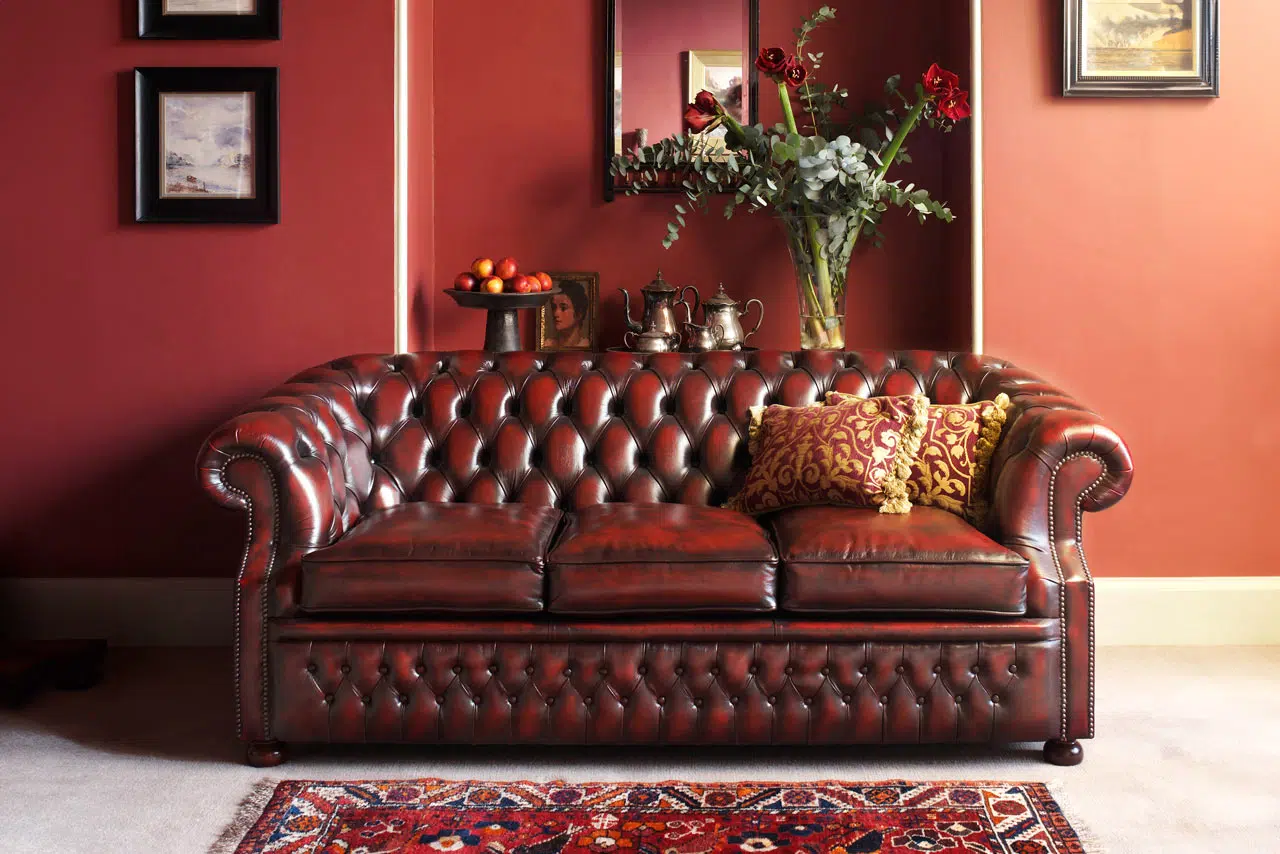
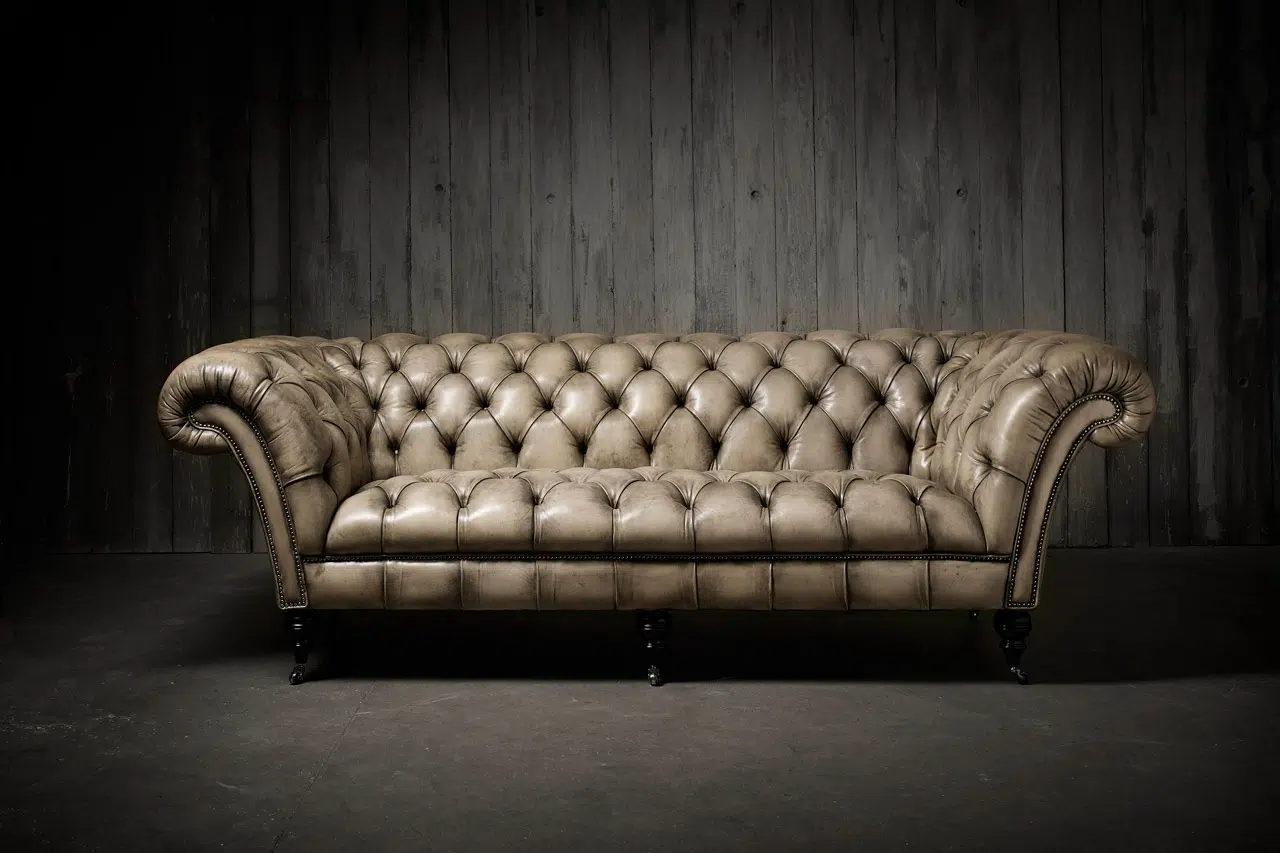


Footstool height should support the legs naturally, with width proportioned to the chair or seating group. Matching upholstery creates continuity; contrasting leather or fabric introduces texture. Deep buttoning offers stronger relief beside simpler contemporary forms.
Colour Guide
A footstool keeps stronger colour below the main sightline. Matching leather creates continuity, while oxblood, tan, green or textured fabric introduces contrast. On buttoned designs, hand-coloured finishes add shadow and tonal movement without decorative pattern.
Discovery box
Small differences in upholstery become noticeable when a footstool sits beside existing seating. Place Discovery Box samples directly against the sofa or chair, checking whether the materials create a convincing match or a clearly intentional contrast.

Digital Brochure
Submit the form to receive full collection of digital brochures by email.
Request Brochure
Frequently Asked Questions
What is the difference between a footstool and an ottoman?
The terms often overlap. A footstool is primarily intended to support the feet and is usually scaled to a chair or sofa. An ottoman is often larger and may also function as occasional seating or a soft central surface within a living room.
What height should a footstool be?
A footstool generally works best around or slightly below the height of the seat it accompanies. The exact relationship depends on the chair depth and the preferred posture. A piece that is too high can place pressure behind the knees rather than supporting the legs naturally.
Should a footstool match the sofa?
It can, but it does not have to. Matching upholstery creates continuity, while a contrasting leather, velvet or wool can introduce another layer of colour and texture. Repeating a small detail such as stud finish or timber tone can maintain a connection without using identical material.
Can a Chesterfield footstool be used as occasional seating?
Many substantial upholstered footstools can provide occasional seating, although their primary role is lower and more relaxed. Suitability depends on the specific design and construction, so the product specification should be considered if additional seating is an important requirement.
Can Fleming Howland footstools be customised?
Fleming Howland footstools are made to order and are available across a wide range of leathers and fabrics. Selected dimensions and finishes can be considered in relation to the sofa, chair and room, particularly when the footstool is intended as a coordinated companion.