
Individual sections can follow a wall or define an open room. A modular sofa relies on consistent depth, clean junctions and a coherent silhouette as its size and layout change.
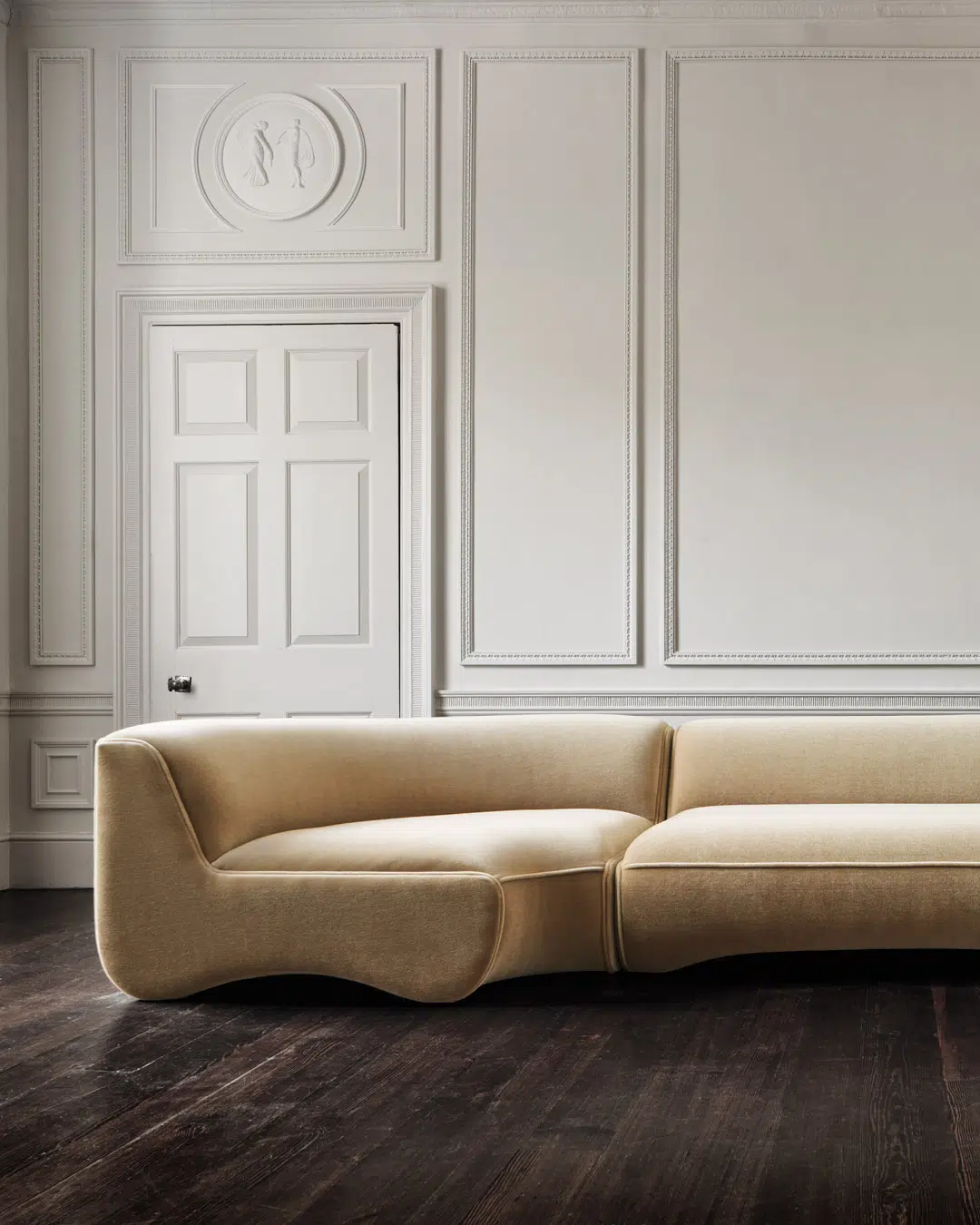
Modular sofa


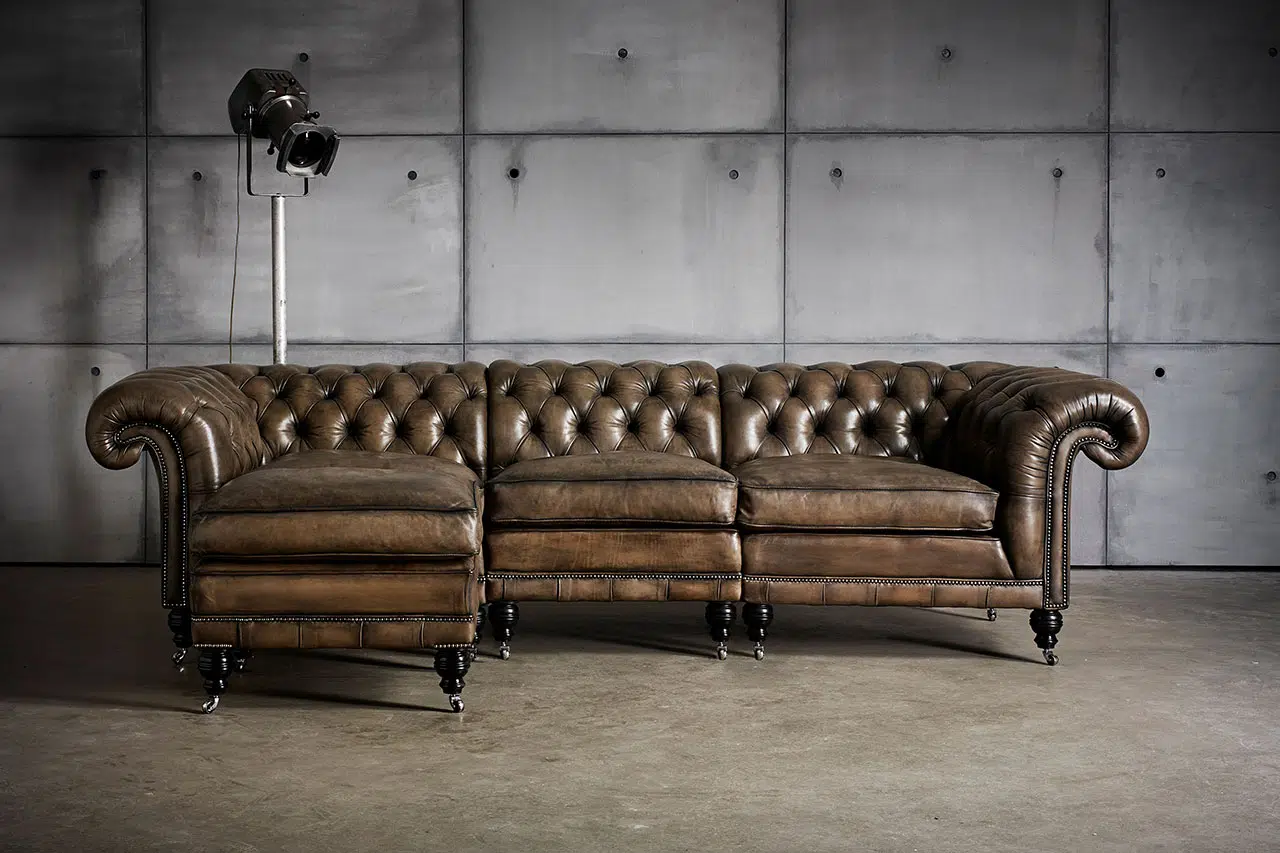
Generous depth and streamlined proportions define Manhattan, while Ribble combines lower, sculptural chairs, corners, chaise sections and ottomans. Both systems allow seating to follow architecture, organise social areas and accommodate circulation beyond conventional sofa formats.
Colour Guide
Colour extends across a broad horizontal surface on modular seating. A single tone unifies adjoining sections, while variations in leather or mohair add depth. Darker shades ground open rooms; lighter tones reduce the arrangement’s visual weight.
Discovery Box
Undertone and reflection become more noticeable across long seating arrangements. Use the Discovery Box to compare leather, mohair, velvet and wool beside flooring, rugs and joinery, assessing each material under the room’s different light sources.

Digital Brochure
Submit the form to receive full collection of digital brochures by email.
Request Brochure
Frequently Asked Questions
What is a modular sofa?
A modular sofa is assembled from individual seating elements that can be combined into a larger composition. Depending on the system, these may include chairs, sofa sections, corners, chaises and ottomans, allowing the overall arrangement to respond more closely to the dimensions and use of the room.
What is the difference between a modular sofa and a sectional sofa?
The terms often overlap. Sectional generally describes a sofa made from connected sections, frequently in an L shape, while modular seating places greater emphasis on individual components and flexible composition. In practice, both can be used to build large corner or open plan arrangements.
Are modular sofas good for open plan rooms?
Yes. Their scale and configurable form make them useful for defining a living area without walls. A long run can establish an edge to the seating zone, while a chaise or corner can change direction and help organise circulation around dining, kitchen or architectural features.
Can a modular sofa work in a smaller room?
It can, provided the modules are selected with discipline. A compact composition may use fewer sections while still taking advantage of a continuous seat line. Measure circulation as well as wall length, and avoid adding modules simply because the system allows them.
How do I plan the size of a modular sofa?
Start with the room plan, door and window positions, principal views and the space needed to move around the furniture. Then build the composition from the required seat count and preferred depth. The overall footprint should support the room rather than consume every available edge.